Russian Strike Hits Ukrainian Logistics and Retail Facilities During Overnight Attack


KEY TAKEAWAYS
- Russian overnight strikes damaged logistics and retail facilities in several Ukrainian regions.
- Warehouses and commercial distribution centers were among the reported targets.
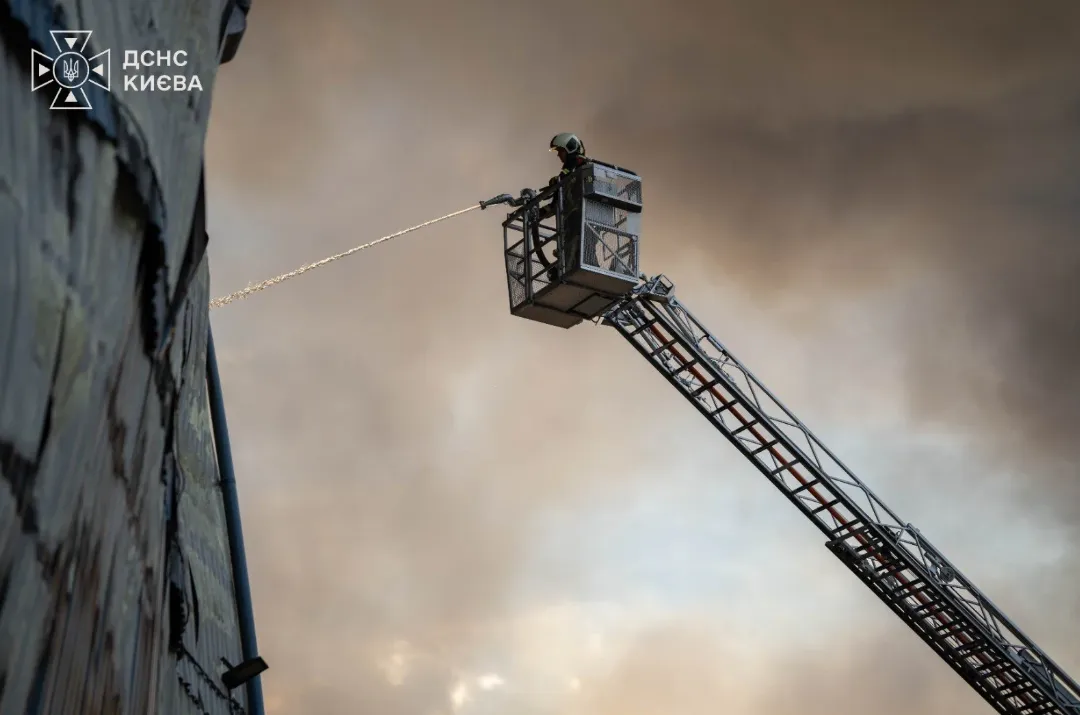
- Emergency services worked overnight to extinguish fires and assess damage.
- Analysts say attacks on logistics infrastructure are intended to disrupt supply chains and economic activity.
LEAD
Russian missile and drone attacks overnight struck logistics and retail infrastructure in several parts of Ukraine, damaging warehouses, distribution facilities, and commercial property, according to regional authorities. While emergency crews quickly contained fires at a number of sites, the attacks highlighted the growing role of logistics infrastructure as a target in the wider war.
Warehouses Among the Reported Targets
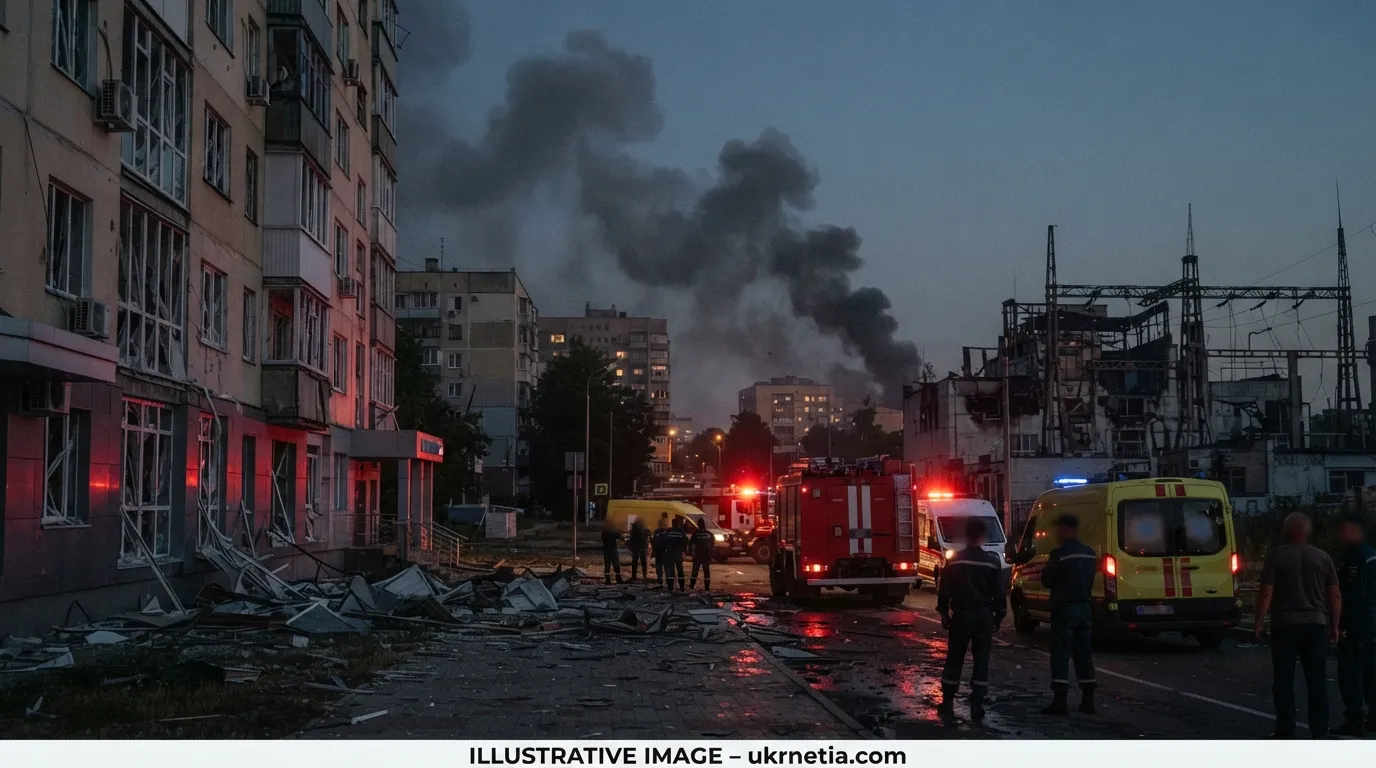
Regional officials said several logistics facilities sustained damage during the overnight attack, with warehouses, loading areas, and commercial buildings affected.
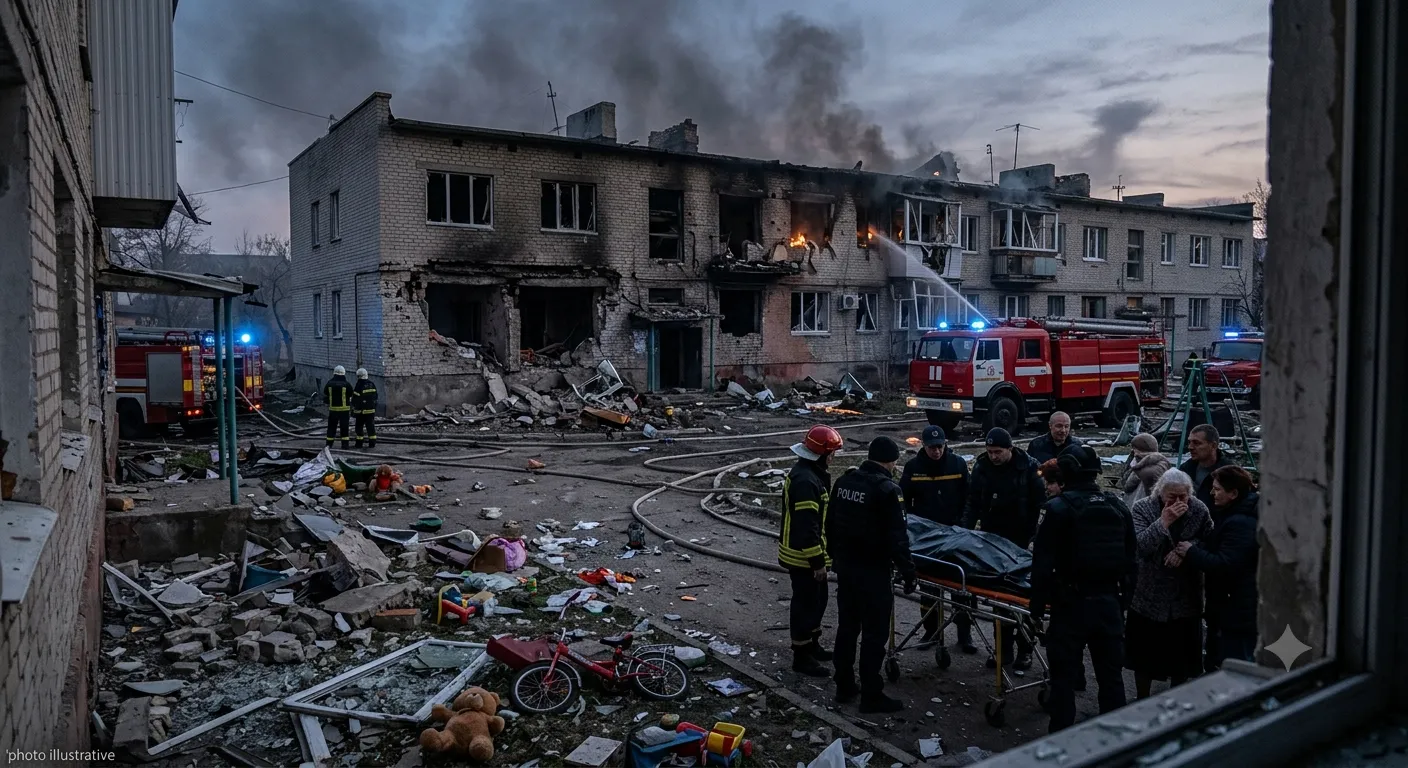
Firefighters and rescue teams were deployed immediately to extinguish fires, secure damaged structures, and inspect the affected facilities. Authorities continued assessing the full extent of the damage throughout the morning.
Logistics Become a Strategic Target
Modern logistics centers play a critical role in Ukraine’s economy by storing and distributing food, consumer goods, medical supplies, and industrial products.
Military analysts note that attacks on these facilities can disrupt supply chains, increase transportation costs, and complicate the movement of essential goods even when the infrastructure has no direct military function.
Economic Impact Beyond the Front Line
Unlike attacks on energy infrastructure, strikes against logistics facilities primarily affect commercial operations.
Businesses may face delays in deliveries, temporary warehouse closures, and increased insurance and transportation costs. Repeated attacks can also force companies to relocate inventories or strengthen security measures around distribution hubs.
Recovery Efforts Underway
Emergency crews continued clearing debris and evaluating structural safety while affected companies began assessing operational losses.
Despite repeated attacks on civilian infrastructure, Ukrainian logistics operators have adapted by expanding warehouse networks, diversifying transportation routes, and improving contingency planning to maintain supplies across the country.
WHY IT MATTERS
The war increasingly extends beyond the battlefield into the economic infrastructure that supports everyday life. Logistics centers, distribution warehouses, and commercial facilities are essential to maintaining domestic supply chains, making them strategically significant even when they are not military installations. Their resilience has become an important factor in Ukraine’s ability to keep its economy functioning during the conflict.
WHAT’S NEXT?
Regional authorities are expected to complete damage assessments and coordinate repairs with business operators. Logistics companies are likely to continue strengthening backup distribution networks and protective measures as attacks on civilian infrastructure remain a persistent risk.