Ukrainian Drone Strike Reportedly Halts Operations at Rosneft’s Saratov Oil Refinery


KEY TAKEAWAYS
- A Ukrainian drone attack reportedly forced Russia’s Saratov oil refinery to suspend operations.
- The refinery is owned by Rosneft, Russia’s largest state-controlled oil producer.
- The facility supplies fuel products to central and southern regions of Russia.
- Ukrainian long-range drone strikes continue targeting energy and logistics infrastructure supporting Russia’s war effort.
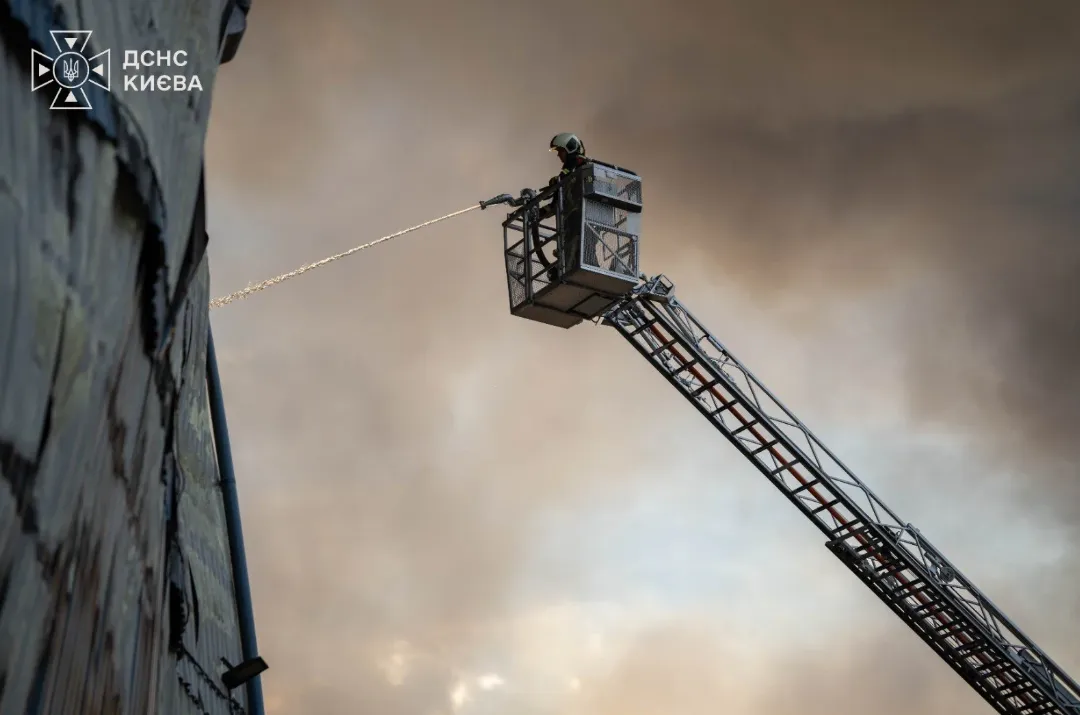
A Ukrainian long-range drone attack has reportedly disrupted operations at Rosneft’s Saratov oil refinery in southwestern Russia, according to Russian media reports and industry sources. The incident is part of Ukraine’s continuing campaign to target energy facilities and logistics infrastructure that play an important role in supporting Russia’s military and industrial capacity.
One of Russia’s Important Refineries
Located in the Saratov region on the Volga River, the refinery processes millions of tonnes of crude oil annually and produces gasoline, diesel fuel, and other petroleum products for domestic consumption.
Temporary disruptions at such facilities can affect fuel distribution and require operators to redirect supplies from other refineries while repairs are carried out.
Ukraine Expands Long-Range Drone Campaign
Since 2024, Ukraine has significantly increased the range and sophistication of its domestically developed drones.
Rather than focusing exclusively on military bases, recent operations have increasingly targeted oil refineries, fuel depots, logistics hubs, and industrial sites considered important to Russia’s military economy.
Military analysts say these strikes are intended to complicate logistics, increase repair costs, and reduce the availability of fuel supporting military operations.
Energy Infrastructure Under Growing Pressure
Russia possesses one of the world’s largest oil refining industries, but repeated drone attacks have forced operators to temporarily suspend production at several facilities during the past two years.
Although most refineries resume operations after repairs, repeated disruptions require additional investment in air defenses, emergency response, and infrastructure protection.
Part of a Broader Strategy
Ukraine has increasingly described attacks on energy infrastructure as an effort to weaken Russia’s ability to sustain the war while avoiding strikes against civilian population centers.
Western analysts note that oil refineries represent strategically important industrial assets because they supply fuel for transportation, logistics, and military equipment.
Neither side immediately released independent damage assessments following the reported attack.
WHY IT MATTERS
Ukraine’s long-range drone operations have become one of the most significant technological developments of the war. By striking strategic facilities hundreds of kilometers from the front line, Kyiv aims to impose economic costs, disrupt fuel supplies, and force Russia to devote additional resources to protecting critical infrastructure. The campaign illustrates how modern warfare increasingly extends far beyond traditional battlefields.
WHAT’S NEXT?
Russian authorities are expected to complete damage assessments and begin repair work while reinforcing air defenses around key industrial facilities. Ukraine, meanwhile, continues expanding its long-range strike capabilities as part of its broader strategy to pressure Russia’s military logistics and energy sector.