Why Prisoner Exchanges Remain One of the Few Working Channels Between Ukraine and Russia


KEY TAKEAWAYS
- Prisoner exchanges remain one of the few areas where Ukraine and Russia continue limited cooperation.
- Returning captured soldiers and civilians is considered one of Ukraine’s highest humanitarian priorities.
- International mediators often play an important role in facilitating exchanges.
- The return of prisoners carries humanitarian, legal, and psychological significance beyond the battlefield.
Despite the absence of broader political agreements, prisoner exchanges continue to provide one of the few functioning humanitarian mechanisms between Ukraine and Russia. Recent exchanges have brought home soldiers held in captivity since the early months of the full-scale invasion, offering relief to families while demonstrating that limited humanitarian cooperation remains possible even during an active war.
A Rare Channel of Communication
Since 2022, direct cooperation between Ukraine and Russia has been extremely limited.
However, prisoner exchanges have continued to take place at regular intervals through negotiations involving international mediators, allowing both sides to return captured military personnel and, in some cases, civilians.
Although these exchanges do not signal broader political progress, they remain one of the few practical mechanisms capable of producing tangible humanitarian results.
Every Exchange Is About People
Behind every prisoner exchange are hundreds of individual stories.
Many returning prisoners have spent years separated from their families, often under difficult conditions. Their return marks the end of a long period of uncertainty for relatives who have waited for news while following every announcement of a possible exchange.
After returning home, former prisoners typically receive medical examinations, psychological support, rehabilitation, and assistance with reintegration into civilian or military life.
For families, these reunions often become some of the most emotional moments of the war.
International Mediation Plays a Key Role
Most large prisoner exchanges have required the involvement of neutral third parties.
Countries such as the United Arab Emirates have repeatedly helped facilitate negotiations, while international humanitarian organizations continue advocating for compliance with international humanitarian law regarding prisoners of war.
Although negotiations are often complex and confidential, mediation has helped make exchanges possible even during periods of intense fighting.
The Humanitarian Dimension of the War
Prisoner exchanges highlight an aspect of the conflict that receives less attention than military operations.
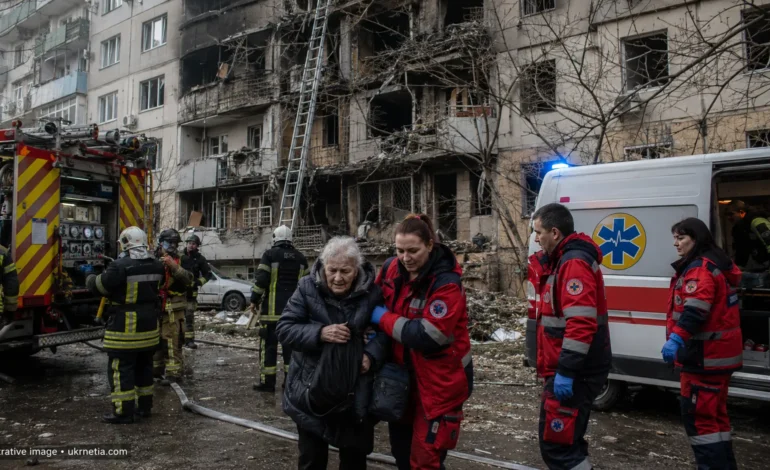
Alongside battlefield developments, governments and humanitarian organizations continue working to locate missing persons, support families, identify the fallen, and secure the return of both military personnel and civilians.
These efforts require sustained diplomatic engagement, legal coordination, and international cooperation that often continues quietly behind the scenes.
For many families, hope is measured not by territorial changes but by the possibility of seeing a loved one return home.
Why These Exchanges Matter Beyond Ukraine
Prisoner exchanges are governed by international humanitarian law and are closely watched by governments and humanitarian organizations around the world.
They demonstrate that even in prolonged conflicts, humanitarian agreements can remain possible when supported by international mediation and mutual commitments.
Experts note that maintaining these channels helps reduce human suffering and preserves an important framework for future humanitarian cooperation, regardless of broader political disagreements.
WHY IT MATTERS
While military operations dominate headlines, prisoner exchanges remind the world that war is ultimately about people. Every successful exchange reunites families, reduces humanitarian suffering, and reinforces the importance of international mechanisms designed to protect prisoners during armed conflict. Understanding this dimension helps explain why prisoner exchanges remain one of the most closely followed developments in the war.
WHAT’S NEXT?
Ukraine has repeatedly stated that returning all prisoners of war and unlawfully detained civilians remains a national priority. Analysts expect further exchanges to continue when conditions allow, supported by international mediation and ongoing humanitarian negotiations.
RELATED TOPICS
- Prisoner Exchanges
- International Humanitarian Law
- Humanitarian Affairs
- Missing Persons
- International Mediation