Why the Black Sea Remains One of the Most Important Fronts in the War


KEY TAKEAWAYS
- The Black Sea remains strategically important for both Ukraine and Russia beyond military operations.
- Commercial shipping, grain exports, and global food security are closely linked to maritime security in the region.
- Recent attacks on ports and commercial vessels have disrupted export routes and increased uncertainty for global markets.
- Military developments in the Black Sea continue to influence international trade and energy security.
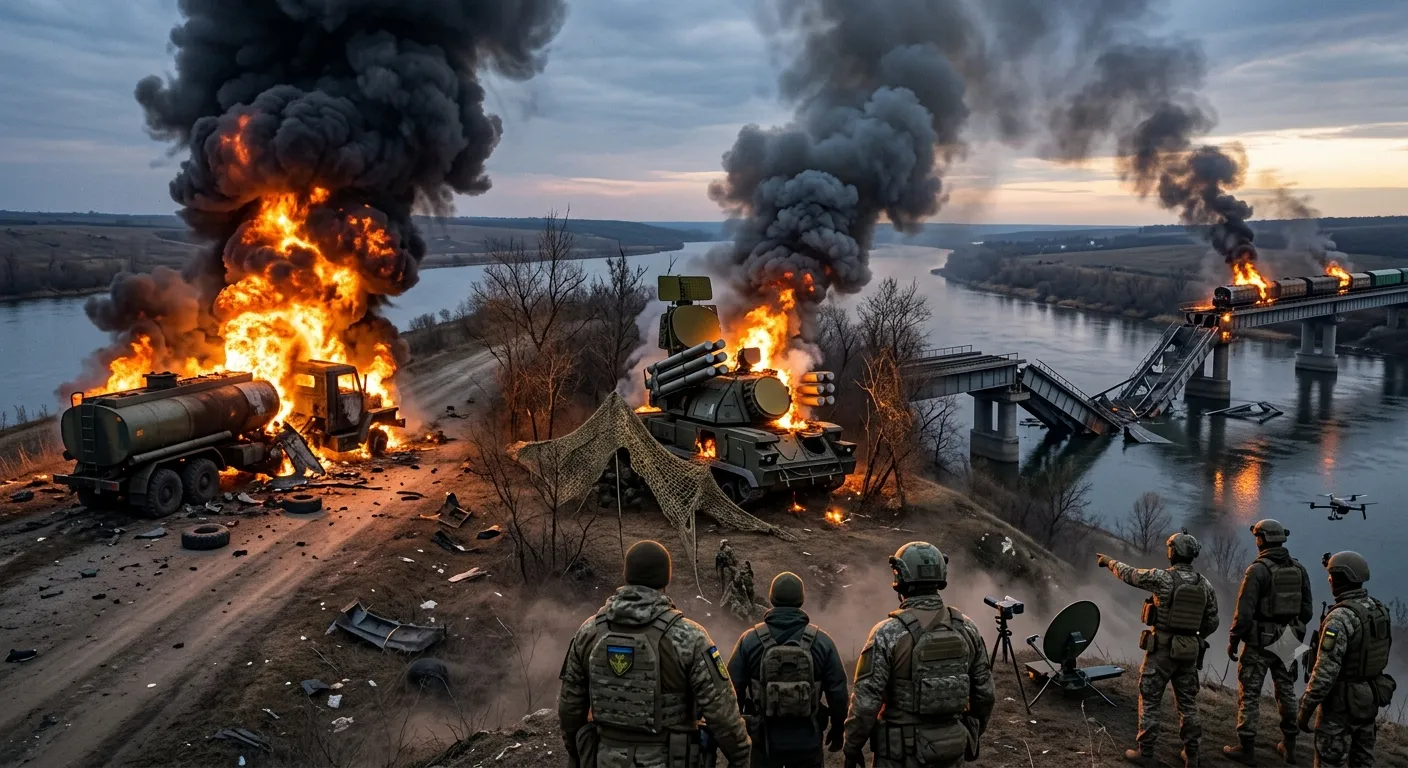
Although much of the world’s attention focuses on the front lines in eastern Ukraine, another critical battle is taking place hundreds of kilometers away in the Black Sea. Control of maritime routes has become essential not only for military operations but also for global trade, food security, and the stability of international supply chains. Recent attacks on ports, commercial vessels, and export infrastructure have once again highlighted why the Black Sea remains one of the most strategically important regions of the war.
More Than a Military Theatre
The Black Sea is one of Europe’s most important maritime corridors.
For Ukraine, it provides access to international markets for agricultural products, metals, and other exports. For Russia, it also serves as a key route for commercial shipping and energy-related trade.
As a result, military activity in the region directly affects global commerce as well as military strategy.
Recent weeks have seen increased attacks targeting shipping infrastructure on both sides of the conflict, creating additional risks for commercial navigation.
Grain Exports Affect the Entire World
Ukraine remains one of the world’s leading agricultural exporters.
Large volumes of wheat, corn, sunflower oil, and other agricultural products traditionally leave the country through Black Sea ports.
When these routes are disrupted, the consequences extend well beyond Eastern Europe. Import-dependent countries in Africa, the Middle East, and Asia closely monitor developments because interruptions in grain shipments can influence food prices and supply stability.
Recent attacks on port infrastructure and merchant shipping have renewed concerns about the reliability of export corridors during the current harvest season.
Shipping Companies Face Difficult Decisions
Commercial shipping depends on predictable risk.
When ports, cargo terminals, or merchant vessels come under attack, shipowners, insurers, and logistics companies reassess whether routes remain commercially viable.
Several shipping operators have temporarily suspended vessel calls to Ukrainian Black Sea ports following increased security concerns, forcing exporters to rely more heavily on alternative routes through the Danube and neighboring European countries.
These adjustments help maintain exports but often increase transportation costs and delivery times.
The Black Sea Has Become a Global Issue
The importance of the Black Sea extends far beyond Ukraine and Russia.
Governments, commodity traders, insurers, humanitarian organizations, and financial markets all closely monitor developments because disruptions affect international supply chains and commodity prices.
Even relatively short interruptions to maritime trade can influence wheat futures, freight costs, and insurance premiums around the world.
This makes the Black Sea not only a regional security issue but also an important component of global economic stability.
A Strategic Waterway for the Future
Regardless of how the conflict develops, the Black Sea will remain central to Ukraine’s long-term recovery.
Restoring secure shipping routes will be essential for rebuilding exports, attracting investment, and strengthening economic ties with international markets.
Infrastructure modernization, improved maritime security, and international cooperation are expected to play an increasingly important role in ensuring that one of the world’s most significant trade corridors remains open and resilient.
WHY IT MATTERS
The Black Sea is more than a battlefield—it is a gateway connecting Ukraine to the global economy. Events in the region influence food security, shipping, commodity markets, and international trade. Understanding its strategic importance helps explain why developments at sea often have consequences far beyond the immediate conflict.
WHAT’S NEXT?
Analysts expect maritime security to remain a major focus as both sides continue operations affecting ports, shipping routes, and logistics infrastructure. International efforts are likely to concentrate on maintaining commercial navigation, protecting export capacity, and reducing disruptions to global food supplies.
RELATED TOPICS
- Black Sea
- Grain Exports
- Maritime Security
- Global Food Security
- International Trade