Russia Intensifies Missile and Drone Campaign Against Ukrainian Cities


KEY TAKEAWAYS
- Russia continues combining ballistic missiles and attack drones in large-scale strikes against Ukrainian cities.
- Air defense systems intercept many incoming threats, but ballistic missiles remain particularly difficult to stop.
- Recent attacks have again highlighted the vulnerability of civilian infrastructure and residential areas.
- Ukraine says additional air-defense systems remain essential to protecting lives and critical infrastructure.
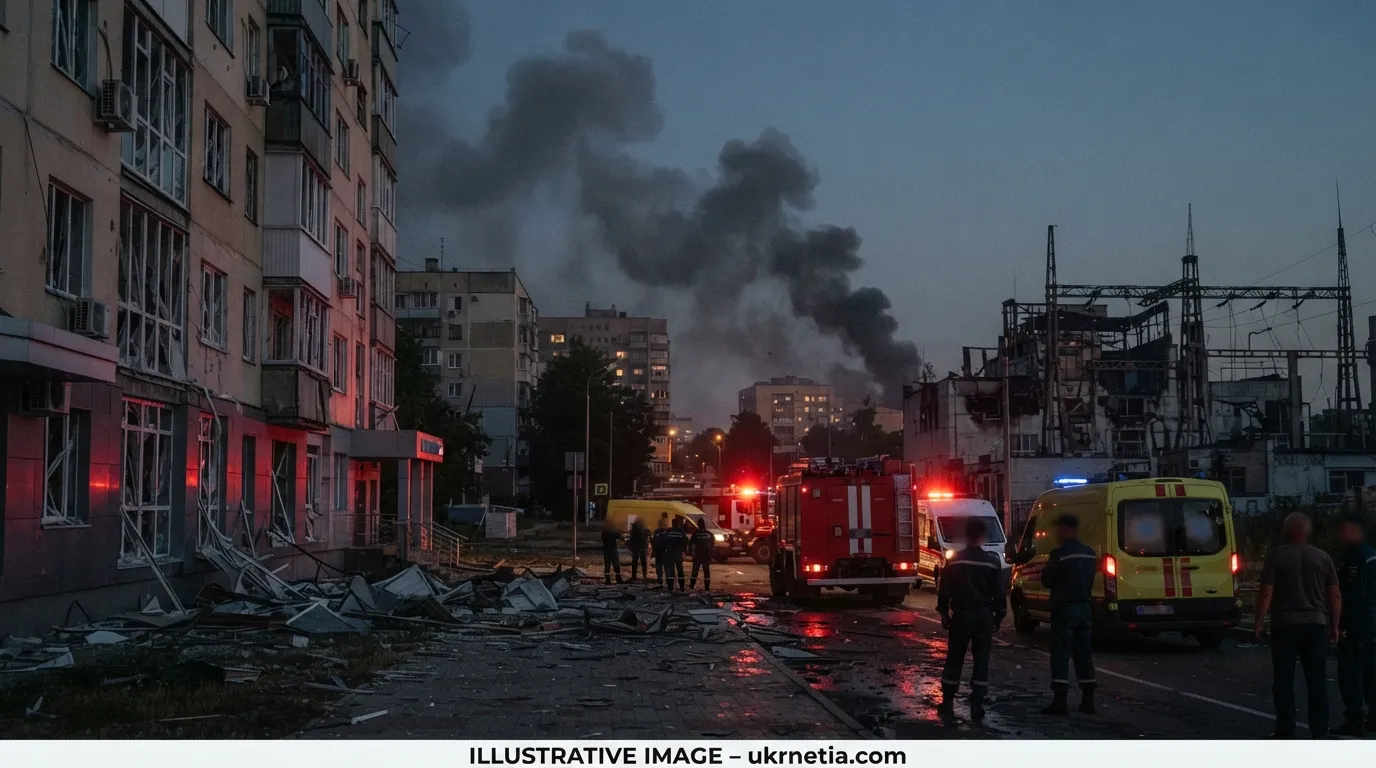
Russia has continued launching coordinated missile and drone attacks against Ukrainian cities, combining different types of weapons to overwhelm air defenses and strike multiple targets during the same operation. The latest attacks, which caused civilian casualties and damage in Kyiv and other regions, illustrate how aerial warfare has become one of the defining features of the war.
A New Phase of Aerial Warfare
Since the beginning of the full-scale invasion, Russia has increasingly relied on long-range missiles and drones to strike targets far from the front line.
Rather than focusing solely on military objectives, recent attack patterns have repeatedly affected residential neighborhoods, transport infrastructure, industrial facilities, and energy systems. Military analysts note that combining ballistic missiles with waves of drones makes air-defense operations significantly more complex.
The latest attacks demonstrate that aerial warfare continues to play a central role in Russia’s military strategy.
Why Ballistic Missiles Remain So Dangerous
While many drones and cruise missiles can be intercepted, ballistic missiles present a far greater challenge.
Travelling at extremely high speeds and following steep trajectories, ballistic missiles leave defenders with only a short window to detect, track, and intercept them. Only a limited number of advanced air-defense systems are capable of engaging these threats effectively.
This is one reason Ukrainian officials continue emphasizing the importance of modern air-defense capabilities as attacks become larger and more sophisticated.
Civilians Continue Bearing the Greatest Burden
Although military facilities may also be targeted, civilians often suffer the most immediate consequences of large-scale air attacks.
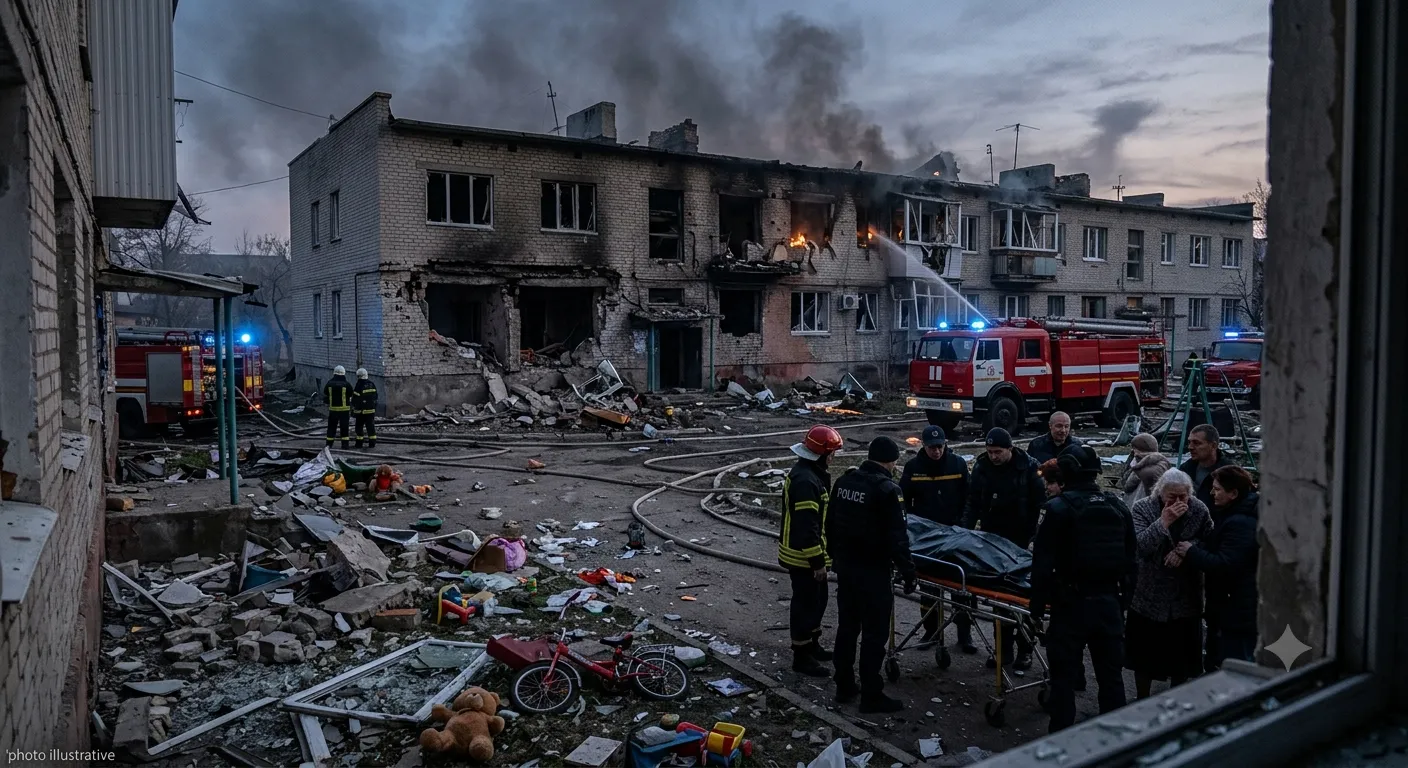
Apartment buildings, schools, businesses, warehouses, and public infrastructure can all be affected when missiles or drone debris fall into populated areas.
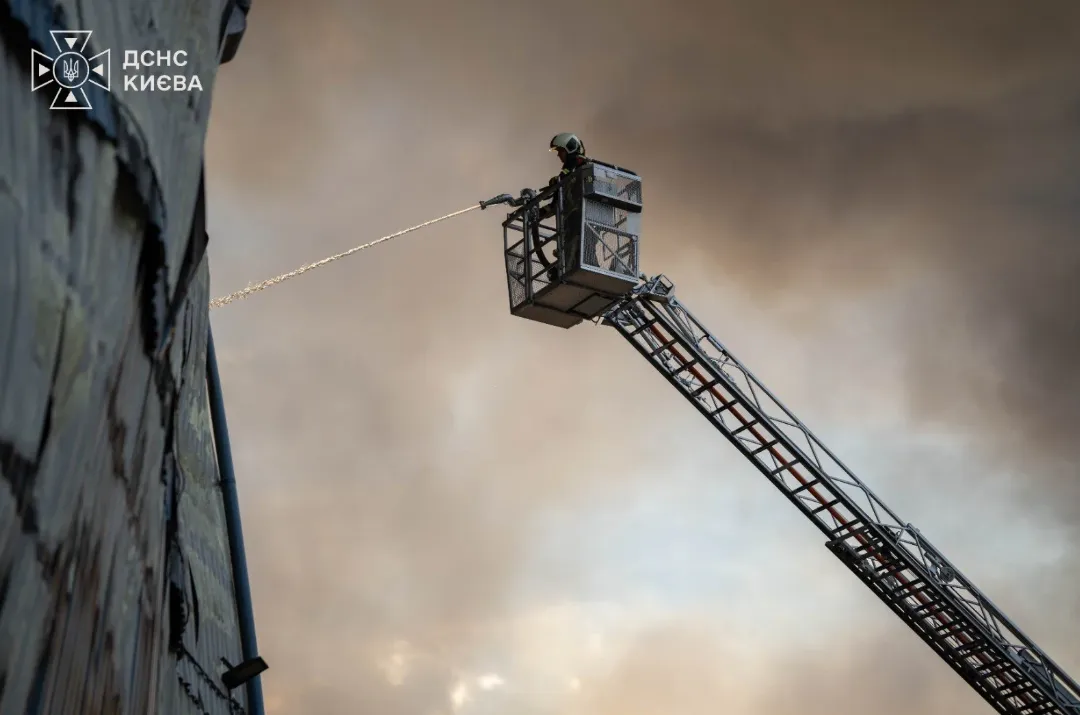
Emergency responders, firefighters, medical personnel, and municipal services play a critical role in rescue operations, clearing debris, restoring utilities, and assisting displaced residents after each strike.
For millions of Ukrainians, air-raid alerts and emergency shelters have become part of everyday life.
Air Defense Protects More Than Military Targets
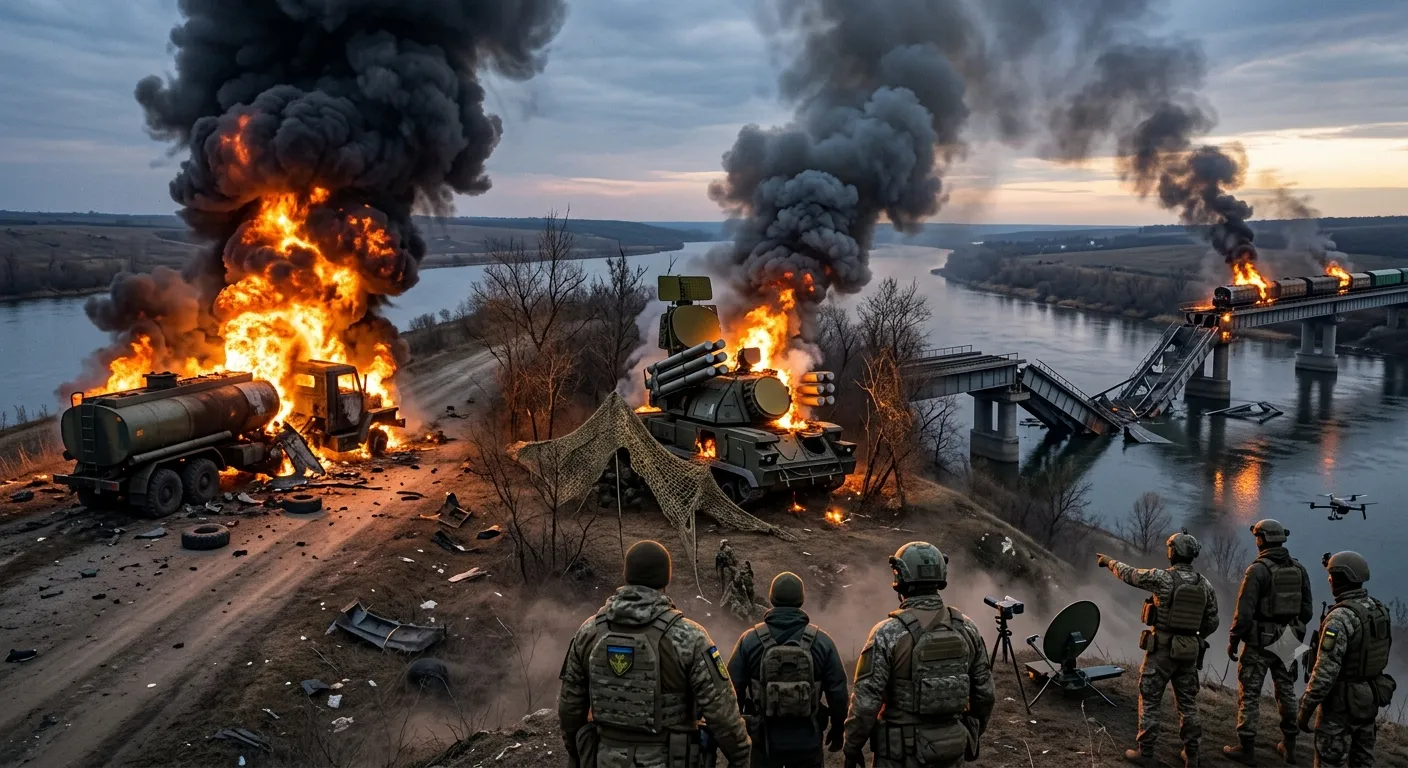
Modern air-defense systems are designed not only to protect armed forces but also to safeguard cities and essential infrastructure.
Power stations, hospitals, transport hubs, communication networks, and industrial facilities all depend on effective protection against long-range attacks.
Every successful interception helps reduce casualties and limits economic disruption, allowing critical services to continue operating even during periods of intensified attacks.
Defense experts say strengthening air-defense capacity remains one of Ukraine’s highest priorities as the conflict evolves.
The Strategic Impact of Long-Range Strikes
Large-scale missile and drone attacks are intended to achieve more than physical destruction.
They place sustained pressure on emergency services, consume valuable air-defense resources, disrupt economic activity, and create uncertainty for civilians living far from the front lines.
At the same time, Ukraine continues adapting its air-defense network, improving early-warning systems, and working with international partners to strengthen its defensive capabilities.
As aerial warfare continues evolving, the contest between offensive strike technologies and defensive systems is likely to remain one of the defining aspects of the conflict.
WHY IT MATTERS
Missile and drone attacks affect far more than the battlefield. They shape daily life for millions of civilians, influence military planning, and drive international discussions about air-defense assistance. Understanding how these attacks are conducted helps explain why protecting cities has become one of Ukraine’s most urgent security priorities.
WHAT’S NEXT?
Military analysts expect Russia to continue using mixed waves of drones and missiles in an effort to complicate Ukrainian air-defense operations. Ukraine, meanwhile, is expected to keep expanding its air-defense capabilities while seeking additional interceptor systems and closer cooperation with international partners.
RELATED TOPICS
- Air Defense
- Missile Warfare
- Drone Warfare
- Civilian Protection
- Security