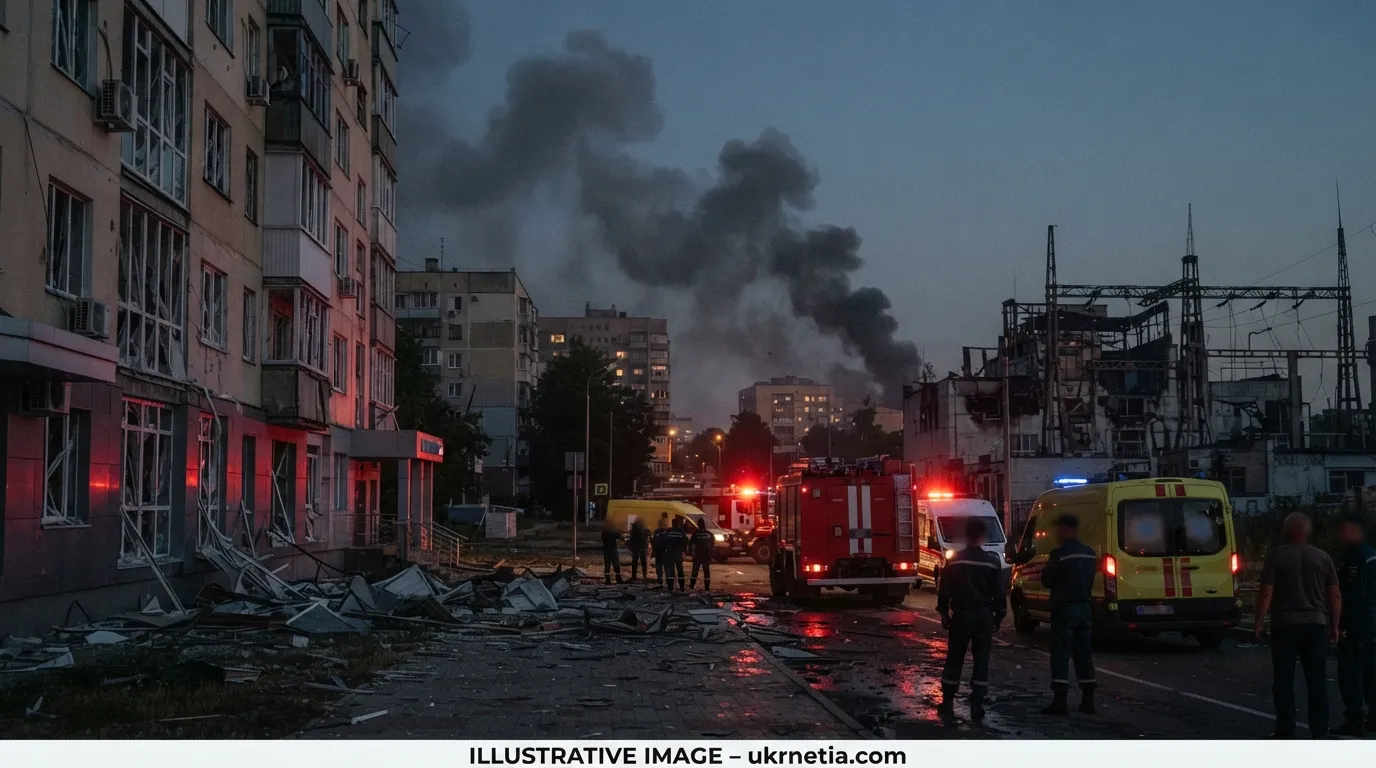
Ukraine Strengthens Democratic Institutions While Preparing for the Future


KEY TAKEAWAYS
- Ukraine continues strengthening democratic institutions during wartime.
- Institutional reforms aim to improve governance, accountability, and the rule of law.
- Democratic resilience remains central to the country’s long-term political strategy.
- European integration continues to influence institutional development.
As Ukraine continues defending itself against Russia’s full-scale invasion, it is also pursuing long-term reforms designed to strengthen democratic institutions. Government officials, lawmakers, and civil society organizations continue working to improve governance, reinforce the rule of law, and modernize public institutions while preparing the country for post-war recovery and closer European integration.
Democracy Continues to Evolve Under Extraordinary Conditions
Wartime places enormous pressure on every democratic institution. Governments must respond quickly to security threats while maintaining transparency, accountability, and public confidence.
Despite these challenges, Ukraine continues to operate through its constitutional institutions while advancing reforms that strengthen the effectiveness of public administration.
Political analysts note that maintaining democratic governance during an active conflict presents unique challenges, requiring institutions to balance flexibility with legal certainty and democratic oversight.
This ongoing process has become an important element of Ukraine’s long-term political development.
Strengthening the Rule of Law
One of the government’s key priorities remains improving the legal and institutional framework that supports democratic governance.
Efforts continue to modernize judicial institutions, strengthen legal procedures, improve regulatory oversight, and reinforce public accountability.
These reforms are intended to provide greater legal certainty for citizens, businesses, and international partners while supporting long-term economic development.
Officials emphasize that strong legal institutions remain essential for attracting investment, protecting individual rights, and ensuring effective public administration.
The rule of law is also considered a central requirement for deeper European integration.
Civil Society Plays a Growing Role
Ukraine’s democratic development is supported not only by government institutions but also by an active civil society.
Non-governmental organizations, independent experts, volunteer groups, journalists, and community organizations continue participating in public discussions, monitoring reforms, and contributing policy recommendations.
This collaboration strengthens public oversight while encouraging constructive dialogue between institutions and citizens.
Observers note that civic engagement has expanded significantly in recent years, becoming one of the country’s defining democratic characteristics.
Many analysts believe this active participation will remain an important driver of future reforms.
European Standards Continue to Guide Reform
Ukraine’s democratic modernization is closely connected to its broader European aspirations.
Many institutional reforms reflect European principles related to transparency, accountability, judicial independence, and effective public administration.
Regular cooperation with European institutions allows Ukrainian policymakers to exchange expertise, adopt best practices, and align legislation with international standards.
Officials argue that these efforts not only support future EU membership but also improve the quality of governance for Ukrainian citizens.
Institutional modernization is therefore viewed as both a domestic priority and an international commitment.
Looking Beyond Reconstruction
Political leaders increasingly describe reconstruction as an opportunity to build stronger institutions alongside rebuilding physical infrastructure.
Future reforms are expected to focus on digital governance, judicial modernization, local government capacity, anti-corruption measures, and improving public services.
Experts believe that combining reconstruction with institutional development can help create a more efficient, transparent, and resilient state.
Many argue that the political decisions made today will shape Ukraine’s democratic trajectory for decades after the war.
WHY IT MATTERS
Strong democratic institutions provide the foundation for stable governance, economic growth, and public trust. Ukraine’s continued commitment to institutional reform during wartime demonstrates that long-term democratic development remains a national priority alongside security and reconstruction.
WHAT’S NEXT?
Ukraine is expected to continue implementing reforms that strengthen governance, improve the rule of law, and expand cooperation with European partners. As reconstruction progresses, institutional resilience and democratic accountability are likely to remain central to the country’s long-term political agenda.
RELATED TOPICS
- Democratic Institutions
- Rule of Law
- Governance Reform
- European Integration
- Public Administration