How Wartime Leadership Is Reshaping Ukraine’s Political Landscape


KEY TAKEAWAYS
- Wartime leadership has accelerated changes in Ukraine’s political system.
- Decision-making has become faster and more coordinated across government.
- Local authorities play an increasingly important role in crisis management.
- Many governance changes are expected to influence post-war Ukraine.
Russia’s full-scale invasion has fundamentally changed how Ukraine is governed. While democratic institutions continue to function, wartime conditions have required faster decision-making, closer coordination between national and local authorities, and greater flexibility across the public sector. These changes are shaping not only Ukraine’s response to the current conflict but also the future of its political system.
Governing During an Unprecedented Crisis
Leading a country at war requires balancing immediate security needs with the long-term responsibilities of democratic governance.
Since the beginning of the full-scale invasion, Ukrainian state institutions have had to respond rapidly to constantly changing military, humanitarian, and economic conditions. This has required government agencies to streamline administrative procedures, improve coordination, and make critical decisions under significant time pressure.
Political scientists note that crisis management has become a defining feature of Ukraine’s governance model, influencing how institutions operate at every level.
Despite extraordinary circumstances, government institutions continue performing their constitutional responsibilities while adapting to evolving national priorities.
Faster Decision-Making Across Government
One of the most visible changes has been the speed of political decision-making.
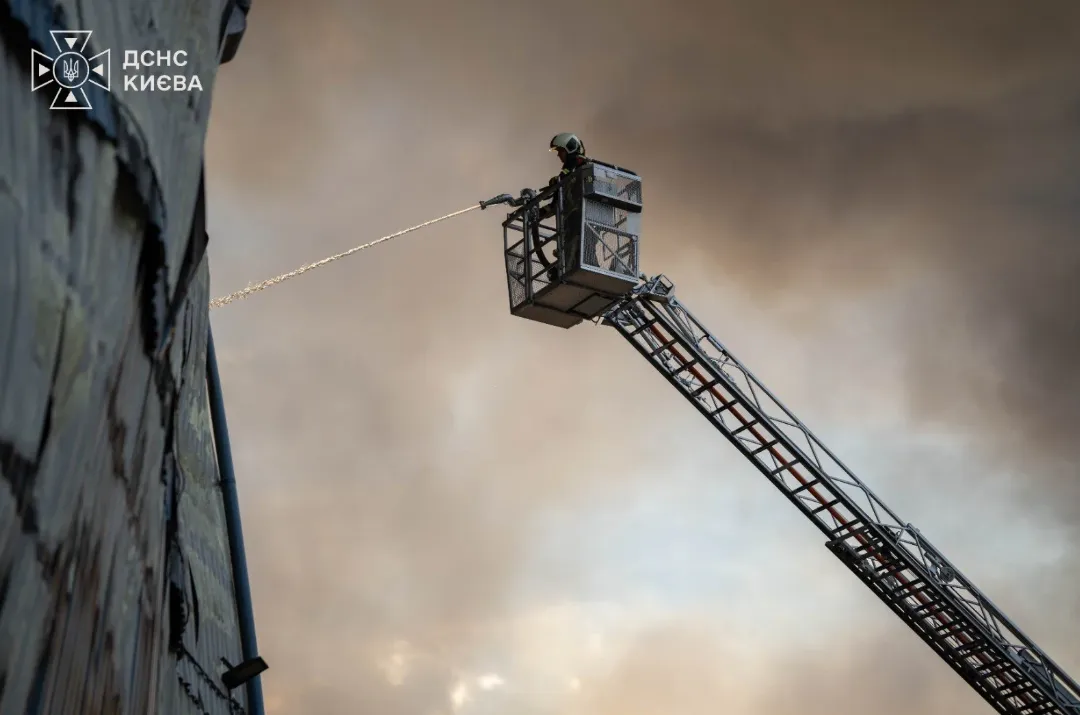
Government ministries, parliament, regional administrations, and emergency services have strengthened cooperation to respond more effectively to urgent situations.
Digital communication systems, centralized coordination, and improved information sharing allow authorities to react more quickly than under traditional administrative processes.
While emergency conditions require greater flexibility, officials continue emphasizing the importance of maintaining legal procedures and institutional accountability.
Observers suggest that some of these more efficient governance practices may remain valuable after the war.
Local Governments Take on Greater Responsibility
Regional and municipal authorities have become increasingly important in managing everyday challenges.
City administrations, regional governments, and local councils coordinate emergency services, infrastructure repairs, humanitarian assistance, education, healthcare, and public utilities while working closely with national institutions.
This expanded role has strengthened local leadership and demonstrated the importance of decentralized decision-making during periods of crisis.
Many communities have developed innovative local solutions tailored to their specific needs, contributing to greater administrative resilience nationwide.
Experts believe these experiences could influence future decentralization reforms.
Public Trust and Civic Participation
Ukraine’s political landscape has also been shaped by stronger cooperation between government institutions and civil society.
Volunteer organizations, businesses, charities, and community groups frequently work alongside public authorities to address local challenges and support essential services.
This collaboration has encouraged greater civic engagement while strengthening communication between citizens and public institutions.
Political analysts argue that public participation has become an increasingly important element of effective governance during wartime.
Maintaining public trust remains essential for implementing reforms and coordinating long-term reconstruction efforts.
Looking Beyond the War
Although many governance changes were introduced in response to immediate challenges, their impact is likely to extend well beyond the current conflict.
Experience gained in crisis management, digital government, institutional coordination, and local administration may help create a more efficient and responsive public sector in the future.
Political leaders increasingly describe reconstruction as an opportunity not only to rebuild infrastructure but also to modernize governance.
Many experts believe Ukraine’s wartime experience will leave a lasting influence on the country’s democratic development and public administration.
WHY IT MATTERS
Political leadership during times of crisis shapes how institutions function long after the immediate emergency has passed. Ukraine’s experience demonstrates how governments can adapt to extraordinary circumstances while continuing to pursue institutional development, democratic governance, and public sector modernization.
WHAT’S NEXT?
As Ukraine continues navigating wartime challenges, policymakers are expected to refine governance practices that improve efficiency while preserving democratic accountability. Many of the lessons learned during the war are likely to influence future reforms in public administration, decentralization, and institutional resilience.
RELATED TOPICS
- Wartime Governance
- Political Leadership
- Public Administration
- Decentralization
- Democratic Institutions