Russian FPV Drones Strike Kherson Art Museum, Sparking Fire


KEY TAKEAWAYS
- Russian forces attacked the Kherson Regional Art Museum with FPV drones on August 20.
- The museum building and a nearby utility structure caught fire after the drone strikes.
- Emergency workers extinguished the fire despite the continued threat of further Russian attacks.
- No casualties were reported as a result of the attack.
- The strike damaged a significant Ukrainian cultural institution that had already suffered from Russia’s occupation and looting of its collection.
- The museum’s evacuated art collection remained outside the occupied territory after the institution was looted by Russian forces in 2022.
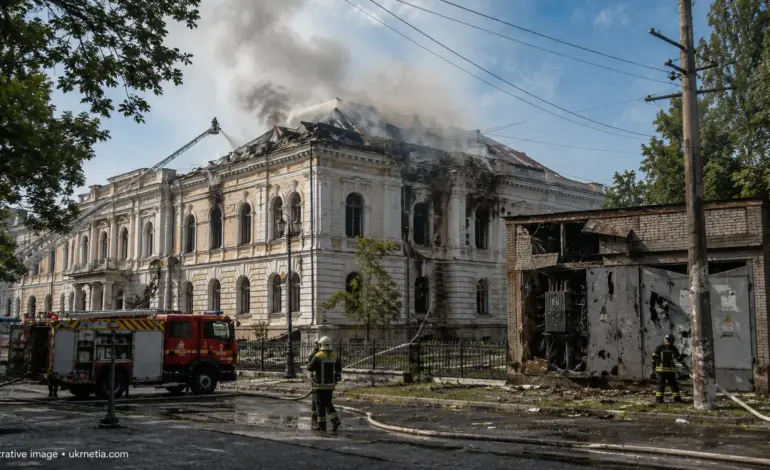
Russian FPV drones struck the Kherson Regional Art Museum on August 20, causing a fire in the historic building and a nearby utility structure. Emergency crews managed to extinguish the blaze while working under the threat of further attacks, and no casualties were reported.
Russian FPV Drones Hit Kherson Museum
The Russian attack occurred in Kherson on the morning of August 20.
FPV drones struck the building of the Kherson Regional Art Museum as well as a nearby utility structure, causing both locations to catch fire.
The museum is one of the city’s important cultural institutions and operates from a historic building.
Fire Broke Out After the Strike
The drone impact caused a fire inside the museum complex.
Emergency crews arrived at the scene and began fighting the blaze despite the continuing danger of additional Russian attacks.
The State Emergency Service reported that firefighters successfully extinguished the fire.
No Casualties Reported
There were no reported deaths or injuries as a result of the strike on the museum.
The absence of casualties was an important positive outcome given the damage caused to the building and the danger facing emergency workers at the site.
Damage to the Museum Building
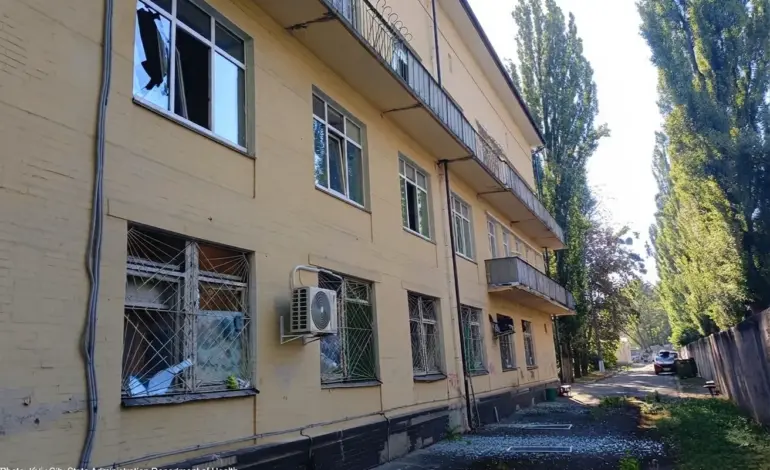
According to information from the museum, the explosion and subsequent fire affected the right wing of the building and nearby utility structures.
Parts of the interior were damaged by the fire.
The incident has created another major challenge for an institution that has already suffered severe losses during Russia’s full-scale invasion.
Furniture and Interior Elements Damaged
The fire destroyed part of the museum’s furniture and chairs.
The parquet flooring in corridors was also damaged.
These losses add to the physical damage caused by the explosion itself and demonstrate how quickly a drone strike can threaten historic interiors.
Electrical and Heating Systems Destroyed
The museum reported that the building’s electrical wiring and heating system were completely burned.
As a result, the institution was left without electricity after the attack.
Restoring these systems will be necessary before the museum can return to normal operations.
Books Were Also Damaged
Fire also affected books stored in one of the corridors leading to a collection storage area.
Some of the books were burned.
The damage demonstrates that even when artworks themselves are protected, fires can still destroy other historical and cultural materials inside a museum.
The Collection Had Already Been Evacuated
The latest attack did not destroy the museum’s main art collection because much of it had been evacuated before the Russian occupation of Kherson.
The collection had originally contained more than 13,000 works of art and was considered one of Ukraine’s most valuable regional museum collections.
The preservation of those works is particularly important given what happened to the museum during the occupation.
Russia Looted the Museum in 2022
After Russian forces occupied Kherson in 2022, the museum’s collection was looted and taken from the city.
The theft became one of the most prominent examples of the destruction and appropriation of Ukrainian cultural heritage during the occupation.
The museum therefore entered the latest attack with an already deeply damaged history.
A Historic Building
The Kherson Art Museum operates in a former city hall building dating from the beginning of the 20th century.
The building itself is part of Kherson’s architectural heritage.
Damage to the structure therefore affects not only a functioning cultural institution but also an important historic site.
The Museum Was Opened in 1978
The Kherson Art Museum opened on May 27, 1978.
Over the decades, it developed into one of the principal cultural institutions of the southern Ukrainian region.
Its collection included Ukrainian, Russian and European artworks accumulated over many years.
Kherson’s Cultural Heritage Under Threat
The attack is part of a wider pattern of damage to cultural institutions across Kherson region.
Museums, churches, historic buildings, libraries and other cultural sites have been affected by Russian attacks since the beginning of the full-scale invasion.
The damage to the art museum therefore has significance beyond a single building.
Kherson Remains Under Constant Drone Threat
Kherson’s geographic position makes the city particularly vulnerable to Russian drone attacks.
Russian forces regularly use drones against vehicles, civilians, businesses and public infrastructure.
The museum attack demonstrates that cultural institutions are also exposed to this persistent threat.
Emergency Workers Faced Additional Danger
Firefighters were forced to work while the possibility of further attacks remained.
The State Emergency Service specifically noted that rescuers were operating under the threat of repeated Russian attacks.
This makes firefighting and rescue operations in Kherson considerably more dangerous than ordinary emergency response.
The Attack Comes After Other Strikes on Kherson
The museum was attacked on the same day that Russian drones struck other civilian locations in Kherson.
Earlier that morning, a market in the city’s Korabelnyi district was attacked, injuring five civilians.
The pattern shows the intensity of Russian drone activity over Kherson on August 20.
Civilian Life Remains Dangerous
Markets, public transport, residential areas and cultural institutions are all part of ordinary civilian life in Kherson.
Repeated drone attacks have made routine activities increasingly dangerous for residents.
The museum strike adds a cultural dimension to the continuing humanitarian consequences of the attacks.
Cultural Heritage Has Become a Wartime Target
The damage to the museum illustrates how war threatens cultural heritage even when artworks themselves are evacuated.
Buildings, archives, furniture, historical interiors and technical infrastructure can all be destroyed.
Preserving cultural institutions therefore requires protecting both their collections and the buildings in which they operate.
Repairs Will Be Necessary
The museum will now need to assess the structural and internal damage.
Electrical systems, heating, windows, flooring and other affected elements will require restoration.
The scale and cost of those repairs will become clearer after specialists complete their assessment.
The Museum’s Future
Despite the damage, the institution remains an important part of Kherson’s cultural identity.
Restoring the building would allow the museum to continue its work and eventually return to public life.
For Kherson, preserving such institutions is also a way of maintaining the city’s cultural identity despite the war.
A Symbolic Loss for Kherson
The attack has significance beyond the physical damage.
The museum had already become a symbol of the cultural losses suffered by Ukraine after Russian forces looted its collection.
The latest strike shows that the institution remains vulnerable even after the collection itself was moved to safety.
What Happens Next
Museum staff and specialists will assess the damage and determine which parts of the building can be restored.
Emergency services have already extinguished the fire, but further work will be needed to stabilize and repair the affected areas.
The attack on the Kherson Regional Art Museum demonstrates the continuing threat Russia poses to Ukrainian cultural heritage. While no one was injured and the fire was extinguished, the museum suffered damage to its historic building, interior, electrical wiring and heating system. The institution had already endured the loss of its collection through Russian looting in 2022, making the latest strike another serious blow to Kherson’s cultural heritage.