Kyiv Comes Under Drone Attack as Explosions Rock the Capital


KEY TAKEAWAYS
- Kyiv came under another Russian drone attack on August 20, with explosions heard across the capital.
- Ukrainian air-defense forces were operating against the incoming drones.
- Residents were urged to remain in shelters until the air-raid alert ended.
- The new drone attack followed a massive overnight Russian missile and drone assault that had already caused extensive damage and casualties in Kyiv.
- The August 20 assault on Kyiv lasted for hours, with the air-raid alert continuing for more than eight hours.
- Ukrainian air defenses reported intercepting or suppressing most of the drones and cruise missiles launched during the wider attack, although impacts were recorded at multiple locations.
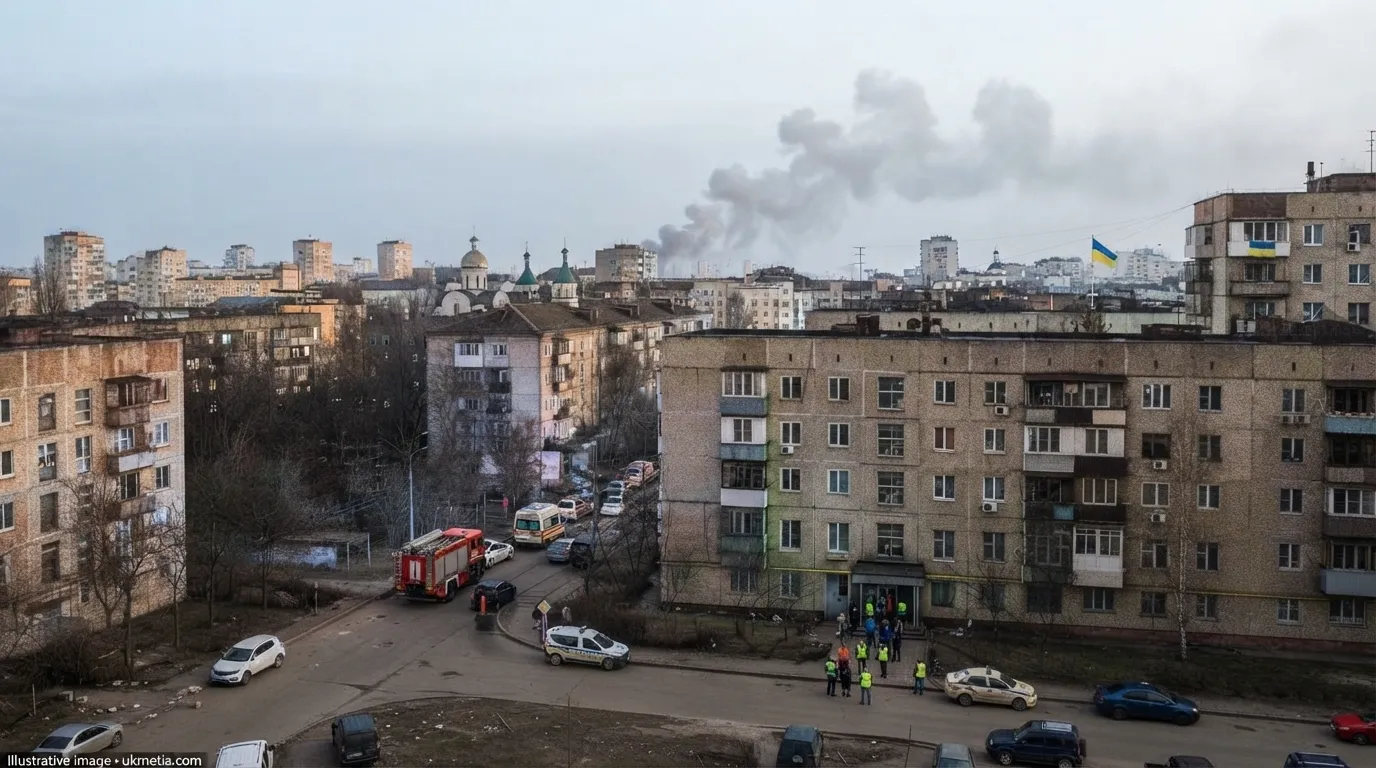
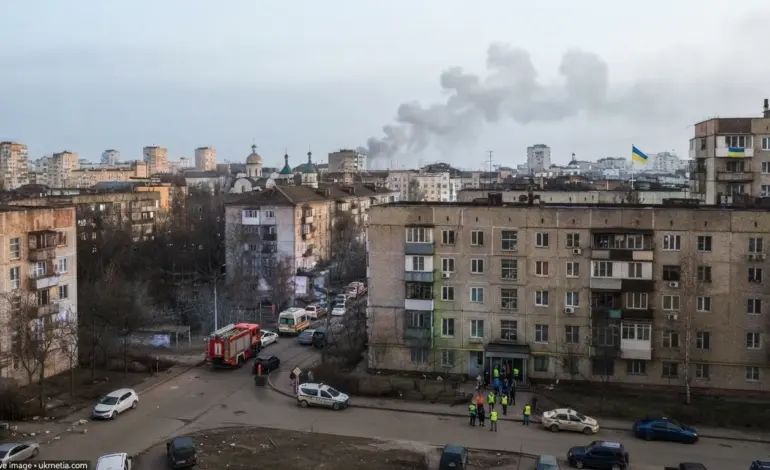
Kyiv came under another Russian drone attack on August 20, with explosions heard across the capital as Ukrainian air-defense forces worked to intercept the incoming threats. Authorities urged residents to remain in shelters until the air-raid alert ended.
Kyiv Under Another Drone Attack
Kyiv was targeted by Russian drones again on August 20, with explosions reported in the capital as Ukrainian air defenses responded.
The attack came after an exceptionally long overnight assault that had already lasted for hours and caused significant civilian casualties and damage across Kyiv and the surrounding region.
The renewed drone activity meant that residents were again forced to seek shelter.
Air Defense Forces Respond
Ukrainian air-defense units were operating against the incoming drones.
The precise locations of interceptions were not disclosed in the initial reports, reflecting the security restrictions normally applied during an ongoing attack.
Residents were advised to remain in shelters until the air-raid alert was officially lifted.
Attack Follows a Devastating Night
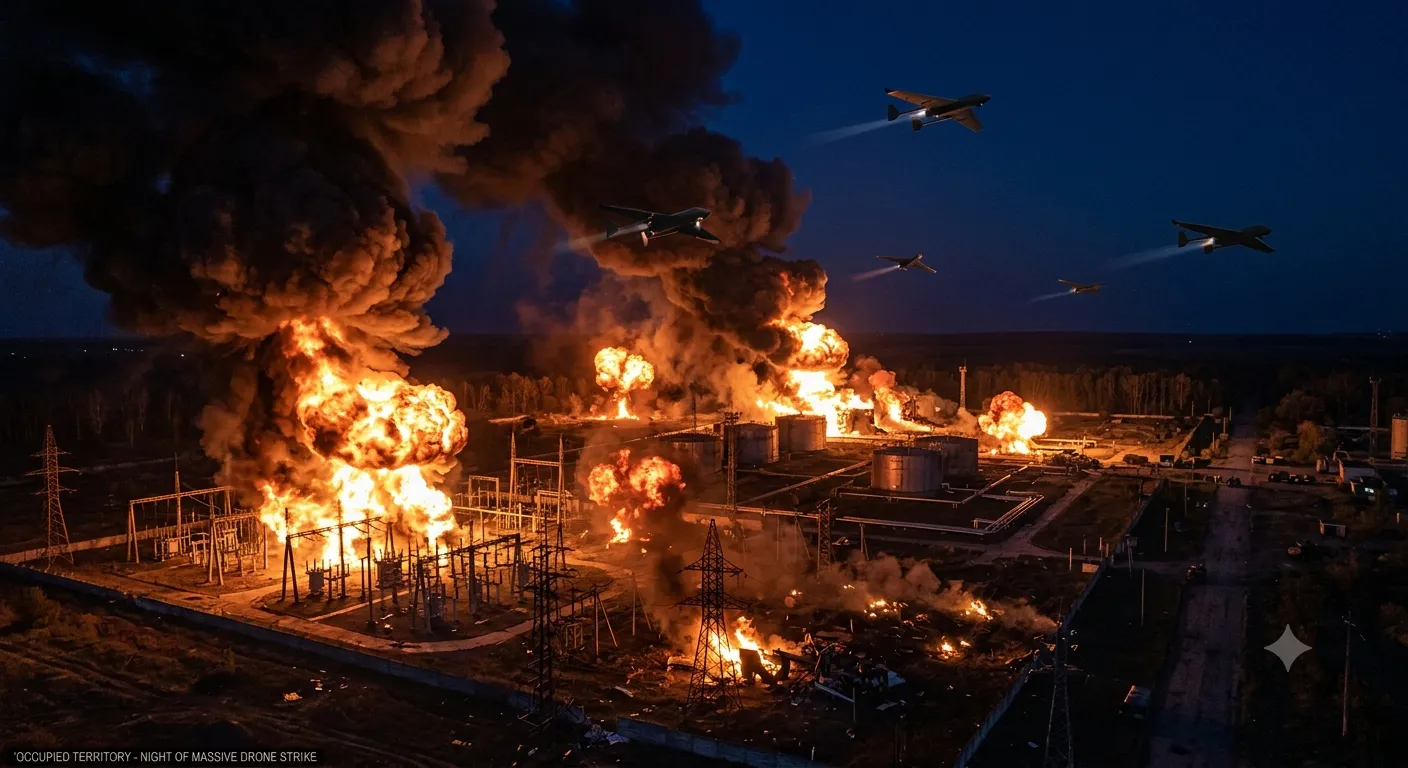
The latest drone attack occurred only hours after a massive combined Russian assault on Kyiv.
That earlier attack involved ballistic and cruise missiles as well as large numbers of drones.
According to Ukrainian Air Force data, Russia launched 168 attack drones alongside multiple types of missiles during the wider assault.
Kyiv Was the Main Direction of the Attack
Ukrainian authorities identified Kyiv and Kyiv region as the principal direction of the overnight Russian strike.
Air defenses engaged threats over several parts of Ukraine, but the largest concentration of the attack was directed toward the capital and its surroundings.
The subsequent drone activity prolonged the period of danger for Kyiv residents.
Explosions Heard Across the Capital
The latest reports described explosions in Kyiv as air-defense systems worked against the incoming drones.
For residents, the renewed explosions came after a night already marked by repeated blasts, fires and emergency sirens.
The extended period of attacks has made August 20 an exceptionally difficult day for the capital.
Residents Urged to Stay in Shelters
Authorities again urged Kyiv residents not to leave shelters while the air-raid alert remained active.
This advice is particularly important during drone attacks because individual weapons can approach the city from different directions and the threat can persist even after the first wave of explosions.
Air Raid Alert Lasted for Hours
The wider attack produced an unusually long period of air-raid alerts in Kyiv.
According to RBC-Ukraine, the alert in the capital lasted approximately 8 hours and 45 minutes during the overnight assault.
The renewed drone attack added another period of uncertainty for residents.
Ukraine Intercepted Most of the Incoming Drones
During the wider August 20 assault, Ukrainian forces reported intercepting or suppressing 145 drones.
They also reported neutralizing 31 cruise missiles of several types and eight Kalibr missiles.
Despite this, impacts were recorded at multiple locations.
Multiple Locations Were Hit
Ukrainian authorities reported impacts of Russian aerial weapons at 28 locations during the wider attack.
Falling debris from intercepted weapons was also recorded at two locations.
The figures demonstrate the scale of the attack even though a large proportion of the incoming weapons were neutralized.
Civilian Infrastructure Was Damaged
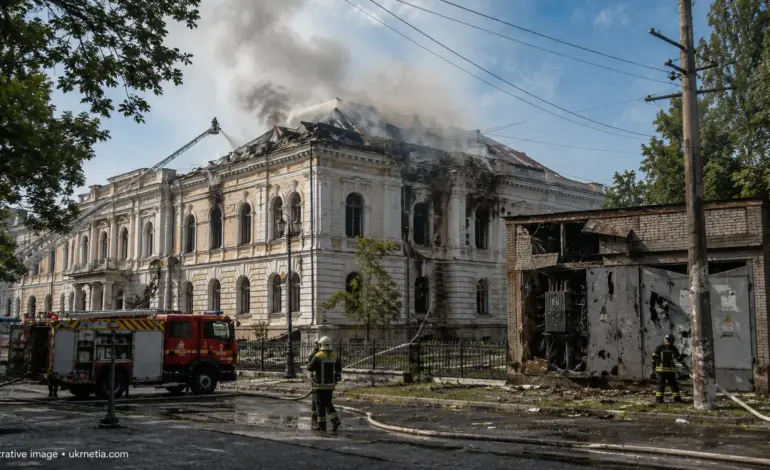
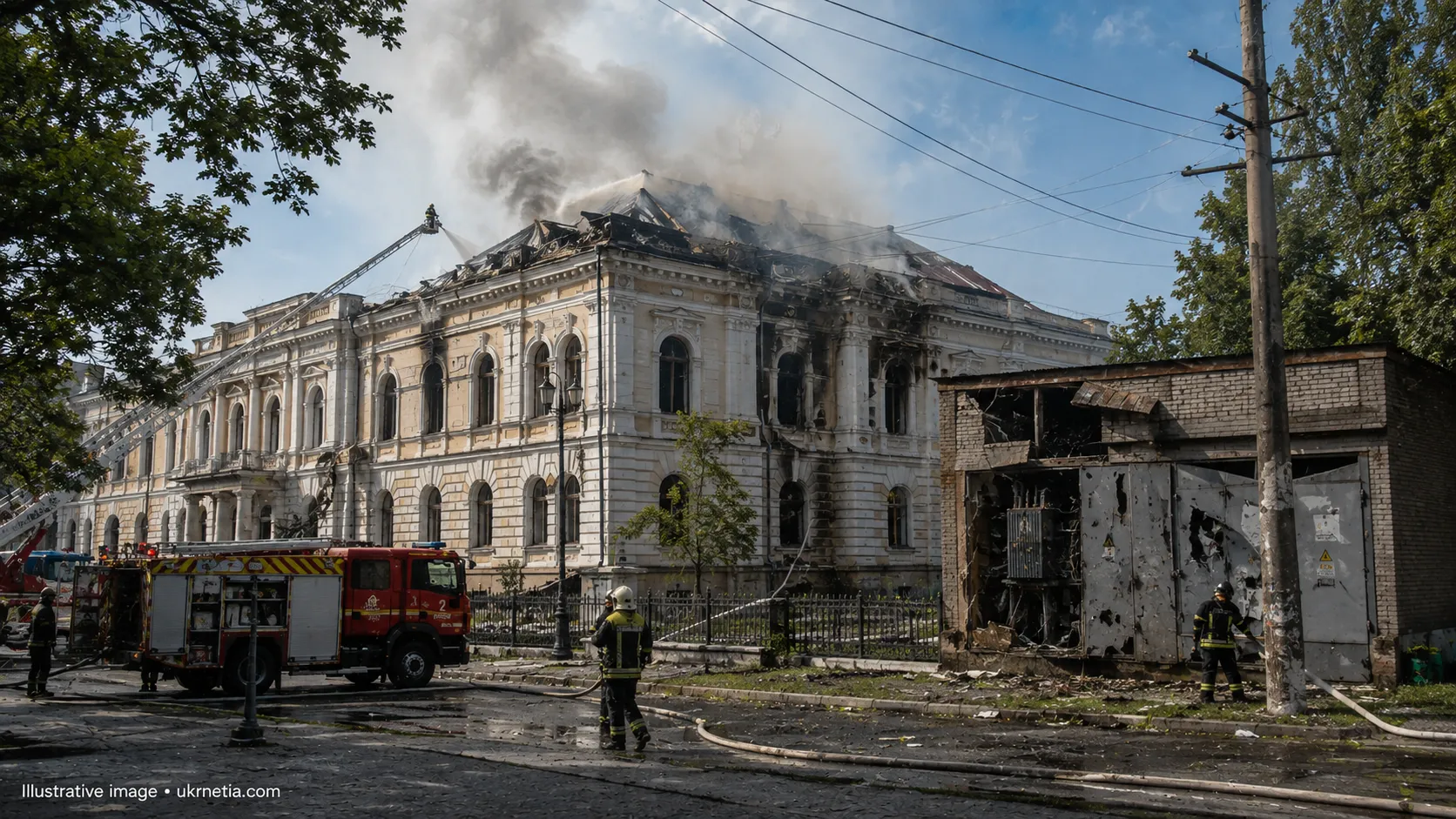
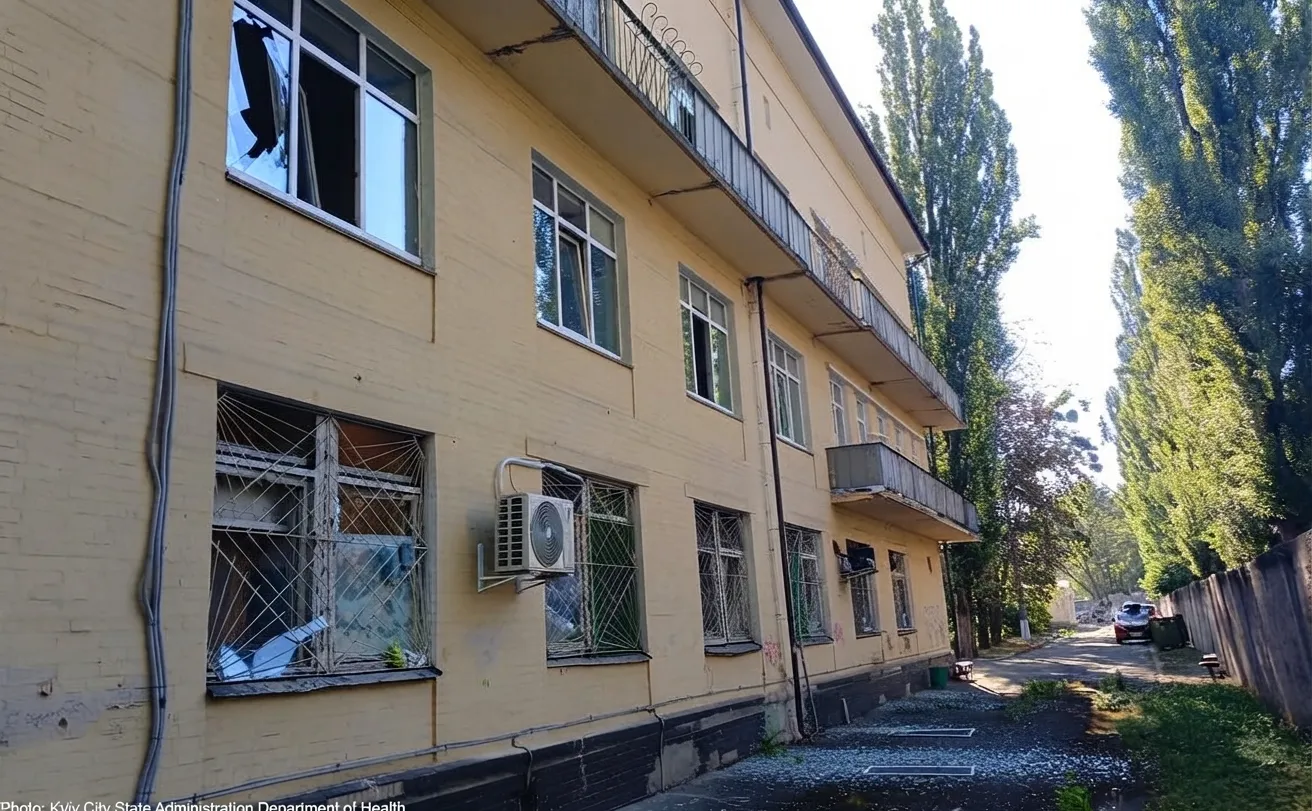
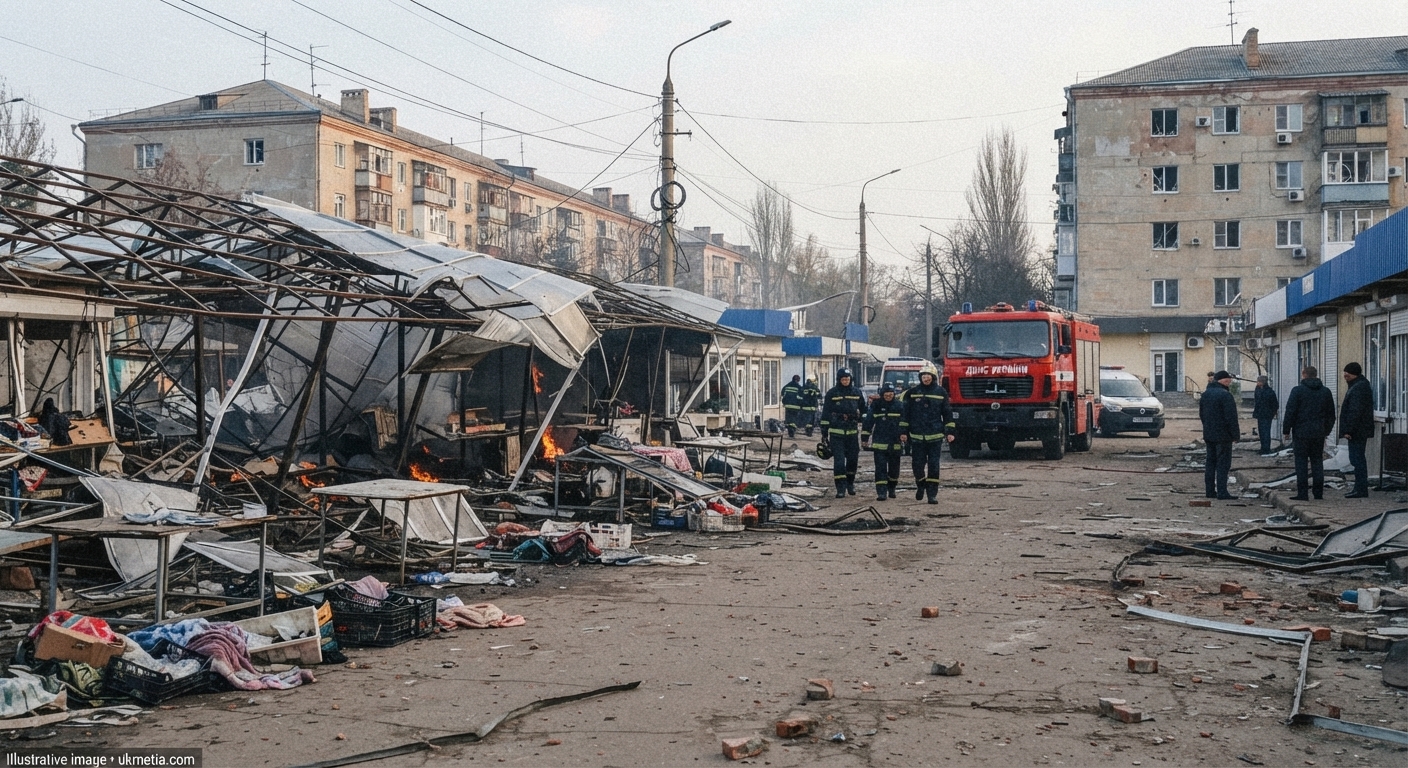
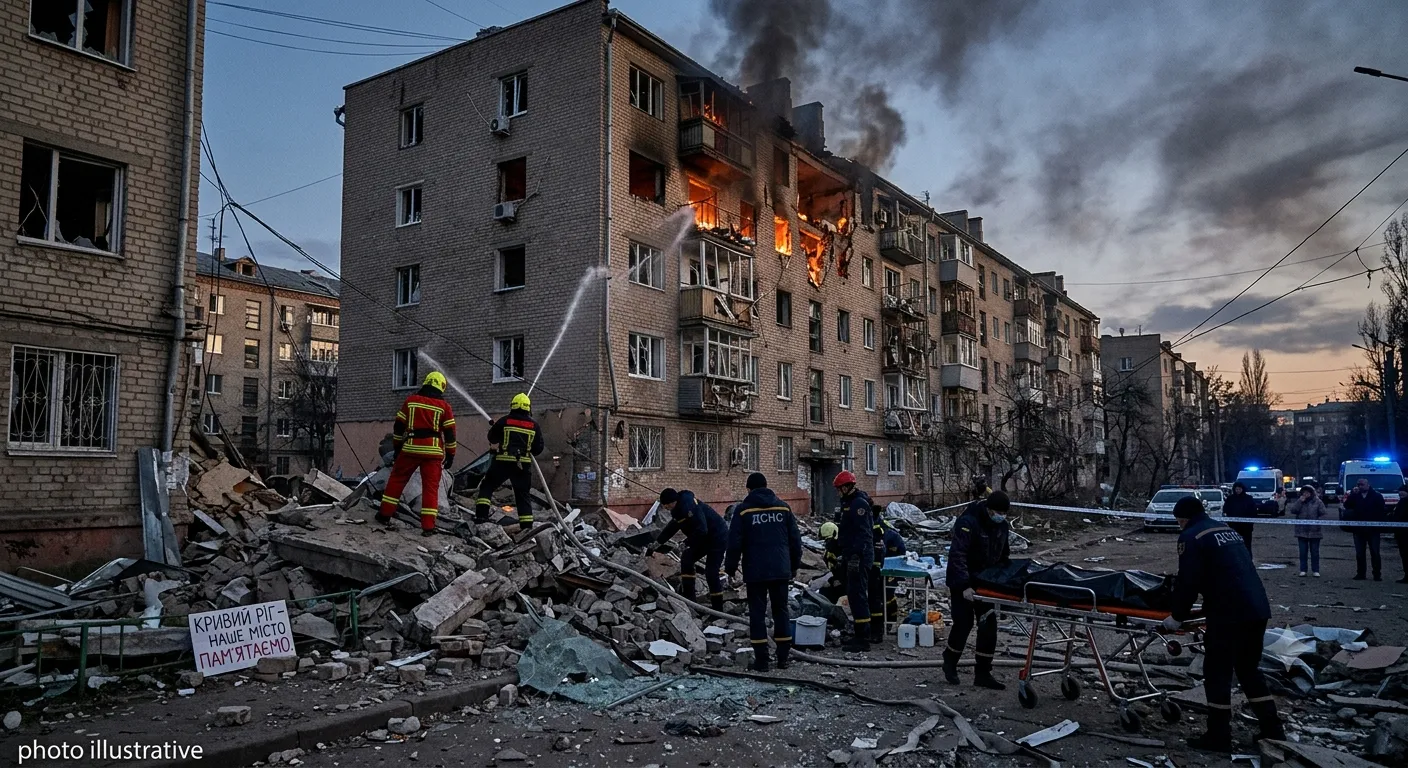
The wider assault caused damage to residential buildings and civilian facilities across Kyiv.
A nine-story residential building in Solomianskyi district suffered the destruction of its upper floors.
A children’s hospital and educational facilities were also damaged.
The Human Cost Has Been Severe
The overnight assault resulted in numerous civilian casualties.
Initial reports of six deaths and 33 injuries were subsequently revised upward as rescue workers continued searching damaged buildings.
By later Thursday reports, the number of fatalities in Kyiv had reached at least 12 and subsequently higher figures were reported by Ukrainian authorities.
Emergency Services Remain on Alert
The continuing drone threat means emergency workers must remain ready even after dealing with the consequences of the earlier attack.
Firefighters, rescuers, police and medical personnel have been working at multiple damaged locations across the capital.
The renewed drone activity adds another layer of risk to their work.
Kyiv’s Air Defense Faces Sustained Pressure
Repeated waves of drones and missiles place considerable pressure on Ukraine’s air-defense network.
The challenge is particularly acute when drones are combined with ballistic and cruise missiles.
Different weapons require different defensive systems, and a prolonged attack can consume significant quantities of interceptors.
The Threat Is Not Limited to a Single Wave
The renewed drone attack demonstrates how Russia can maintain pressure on Kyiv over an extended period.
Instead of a single concentrated strike, attacks can occur in successive waves.
This forces residents to remain alert and emergency services to continue operating for many hours.
The Capital Remains a Major Target
Kyiv remains one of the principal targets of Russia’s long-range aerial campaign.
The city contains major government, economic, transport and civilian infrastructure.
At the same time, its large population means that attacks can quickly produce significant humanitarian consequences.
A Difficult Day for Kyiv
The latest drone attack came on a day when the capital was already dealing with deaths, injuries, destroyed buildings, fires and power disruptions.
Residents had spent much of the previous night in shelters before another wave of drones approached the city.
The repeated attacks have placed enormous psychological and practical pressure on the population.
What Happens Next
Authorities will continue monitoring the airspace and providing updates as the drone threat develops.
Residents are expected to remain in shelters while the air-raid alert is active and to follow official instructions.
Emergency services will also continue dealing with the consequences of the earlier massive attack while remaining prepared for further strikes.
The renewed Russian drone attack shows that the danger to Kyiv did not end with the first massive assault of the night. Ukrainian air-defense forces continue to face successive waves of drones and missiles, while residents and emergency workers must remain prepared for prolonged periods of danger. The latest attack adds to an already devastating day for the capital, where the earlier strikes caused extensive civilian casualties and damage.