Russia Attacks Ukraine With Oniks, Iskander-M and 267 Drones, Leaving Dead and Injured in Several Regions


- Russia launched a large overnight attack on Ukraine on August 29 using an Oniks anti-ship missile, an Iskander-M ballistic missile and 267 attack drones.
- Ukrainian air defense reported that 233 of the 267 drones were shot down or suppressed by 08:30.
- Hits by Russian aerial weapons were recorded at 15 locations, while debris from intercepted targets fell at four additional locations.
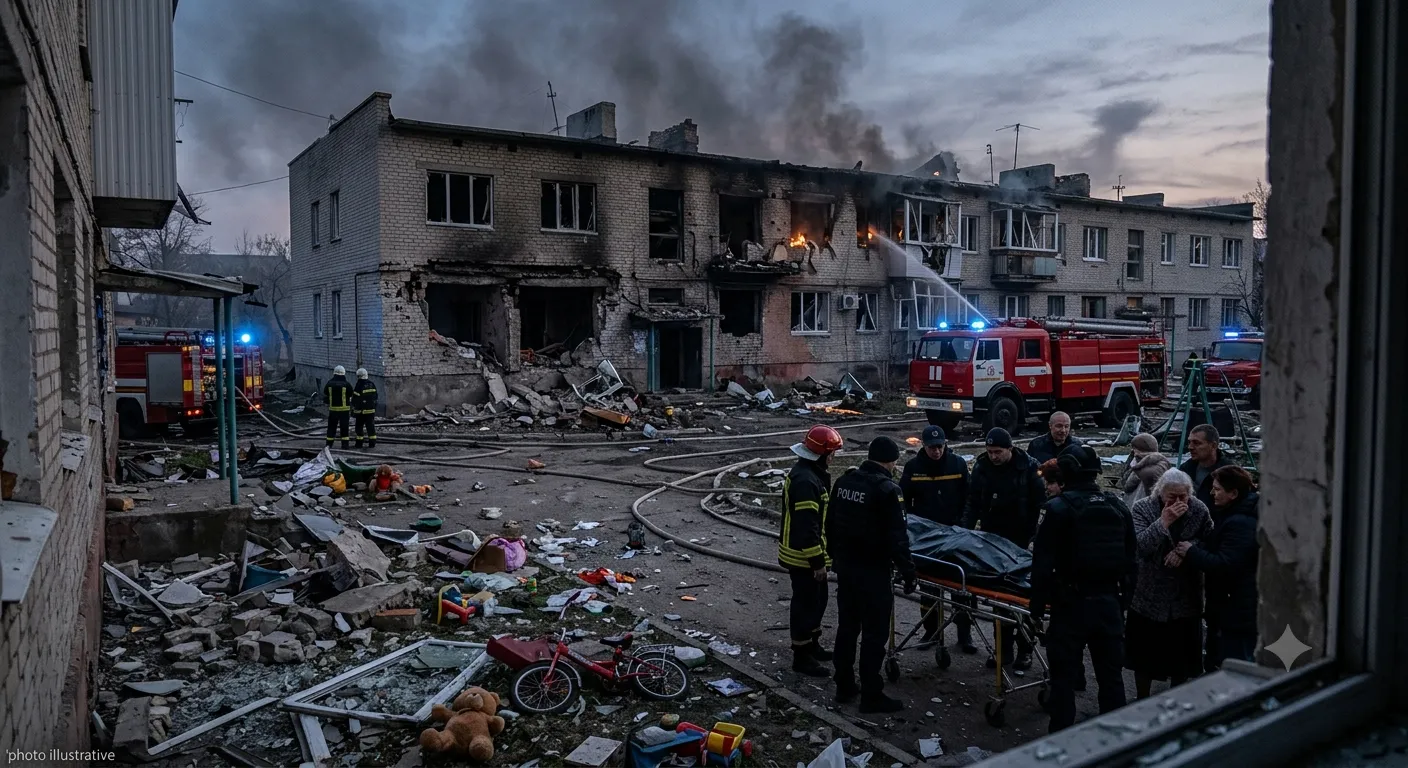
- The attack caused deaths and injuries in several regions, including Odesa, Zaporizhzhia and Dnipropetrovsk.
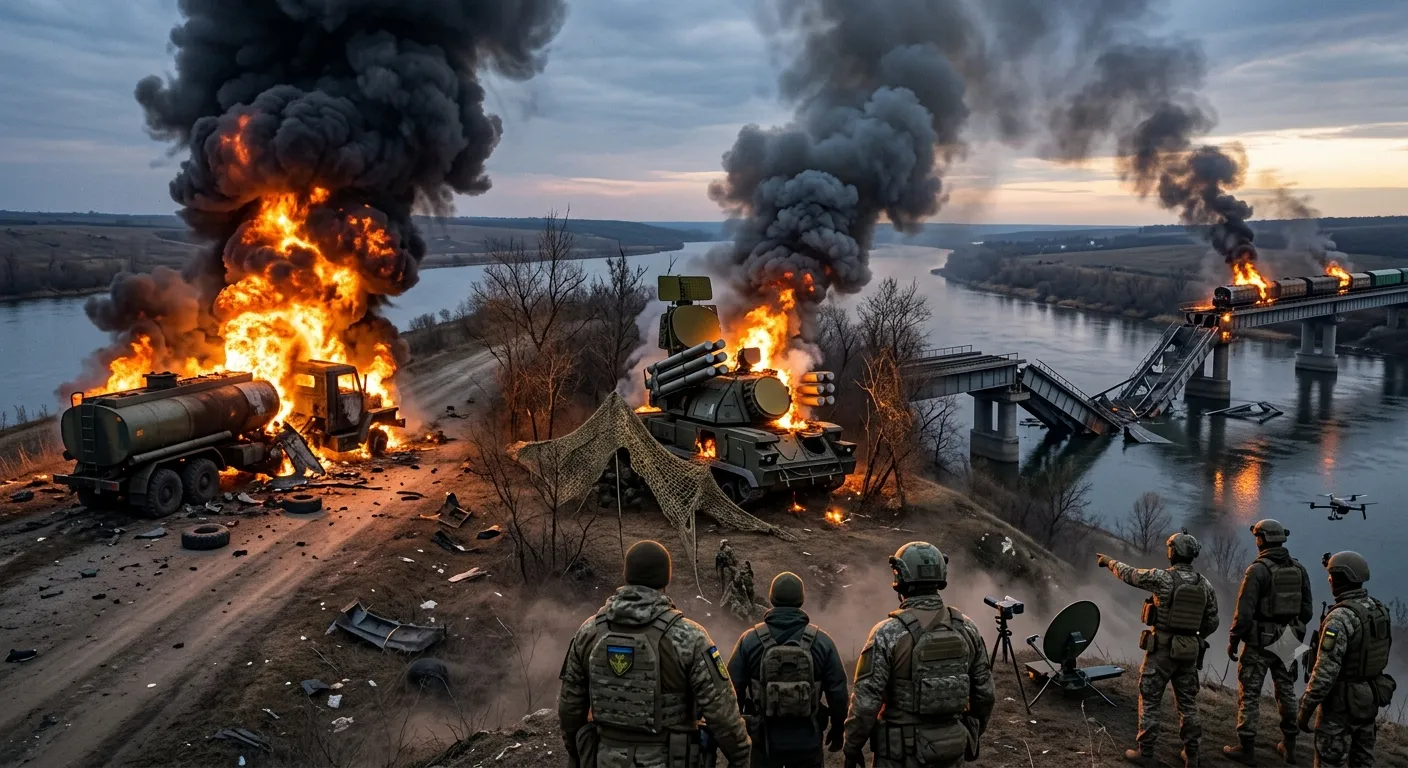
- In the Izmail district of Odesa region, one person was killed and three were injured; several trucks carrying food products caught fire.
- In Zaporizhzhia region, one person was killed and 15 were injured during attacks over the preceding day.
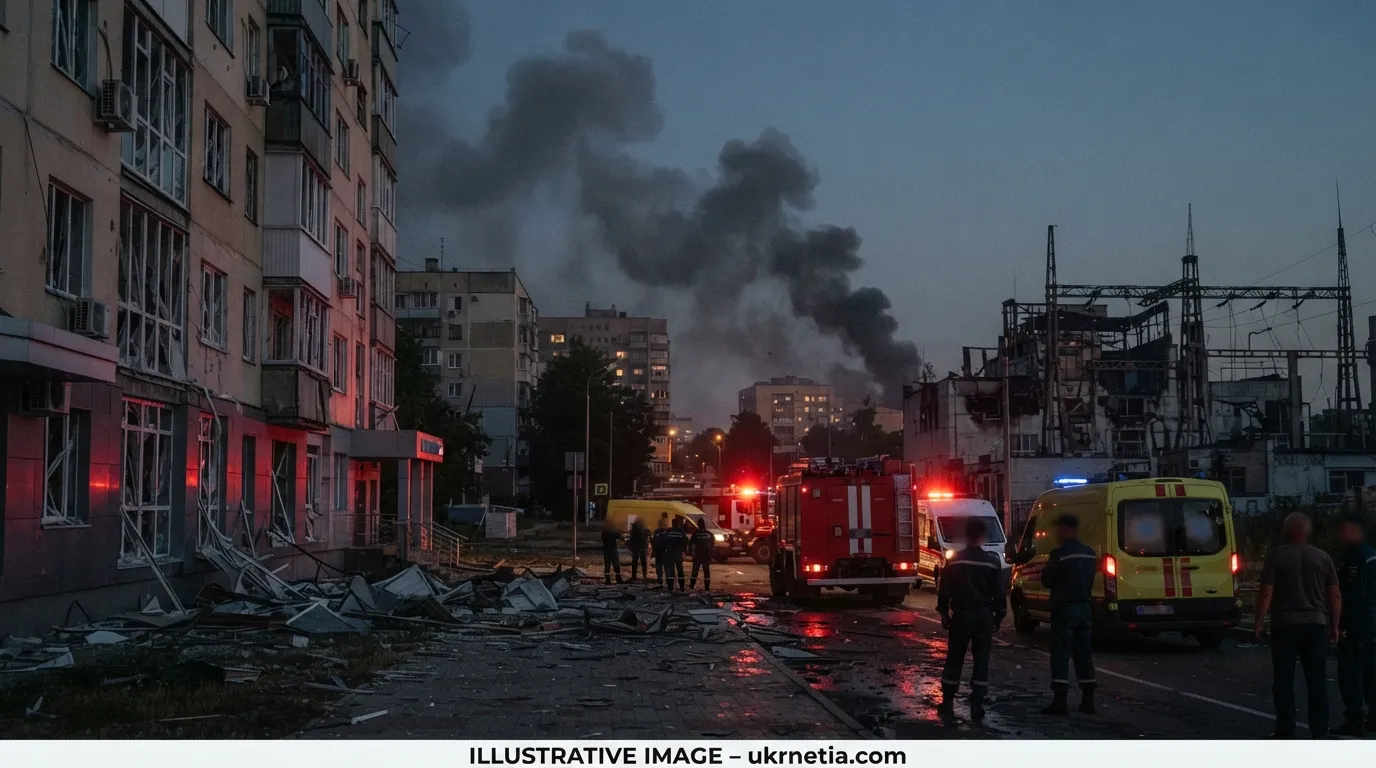
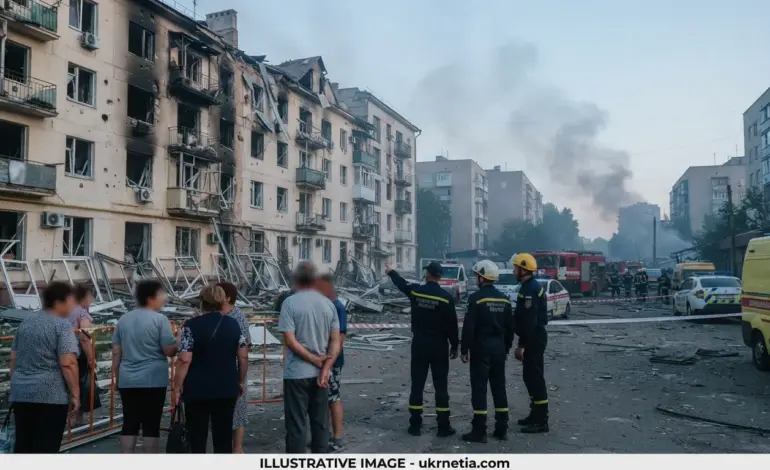
- Ukrainian authorities also reported continued attacks on Kyiv and Kyiv region, with residential buildings damaged and a fire reported in an apartment.
Russia launched another large-scale overnight attack on Ukraine, combining two missiles with 267 drones. Ukrainian air defenses neutralized 233 of the drones, but Russian strikes still reached 15 locations and caused casualties and damage in several regions.
Russia Launches Another Large Overnight Attack
Russia attacked Ukraine during the night of August 29 with a combination of missiles and hundreds of drones.
According to Ukraine’s Air Force, the attack began at around 18:00 on August 28 and involved an Oniks anti-ship missile, an Iskander-M ballistic missile and 267 attack drones of different types.
The attack was still ongoing when the first official reports were published on Saturday morning.
Two Missiles Were Used
The Russian forces launched two different types of missiles.
One was an Oniks anti-ship missile, while the other was an Iskander-M ballistic missile.
According to the Ukrainian Air Force, both missiles were launched from temporarily occupied Crimea.
267 Drones Were Launched
The missile strikes were accompanied by a massive drone attack.
Russia launched 267 attack UAVs, including Shahed-type drones, jet-powered variants, Gerbera drones, S8000 Banderol systems and Parodiya-type decoys.
The scale of the drone attack made it one of the largest overnight waves reported by Ukraine’s Air Force.
233 Drones Were Neutralized
By 08:30 on August 29, Ukrainian air defense forces had shot down or suppressed 233 Russian drones.
The drones were intercepted over northern, southern, eastern and central parts of Ukraine.
The reported figure includes drones destroyed by air defense as well as those neutralized through electronic warfare.
Not Every Russian Weapon Reached Its Target
Ukraine’s Air Force said that some of the Russian weapons did not reach their intended targets.
The authorities were still clarifying what happened to those weapons at the time of the morning report.
Hits Were Recorded at 15 Locations
Despite the high interception rate, Russian weapons still struck 15 locations across Ukraine.
Debris from intercepted targets was also reported at another four locations.
This means the consequences of the attack were spread across several parts of the country.
The Attack Came From Multiple Directions
The drones were launched from several locations.
The Ukrainian Air Force identified launch directions including Kursk, Oryol, Millerovo and Primorsko-Akhtarsk in Russia, as well as temporarily occupied Donetsk and Hvardiiske in Crimea.
Ukrainian Air Defenses Used Several Systems
The response involved multiple components of Ukraine’s air defense network.
Aircraft, anti-aircraft missile units, electronic warfare teams, unmanned systems units and mobile fire groups all took part in repelling the attack.
Odesa Region Was Among the Most Affected
One of the deadliest reported incidents occurred in Odesa region.
In the Izmail district, a Russian attack killed one person and injured three others.
Trucks Carrying Food Products Caught Fire
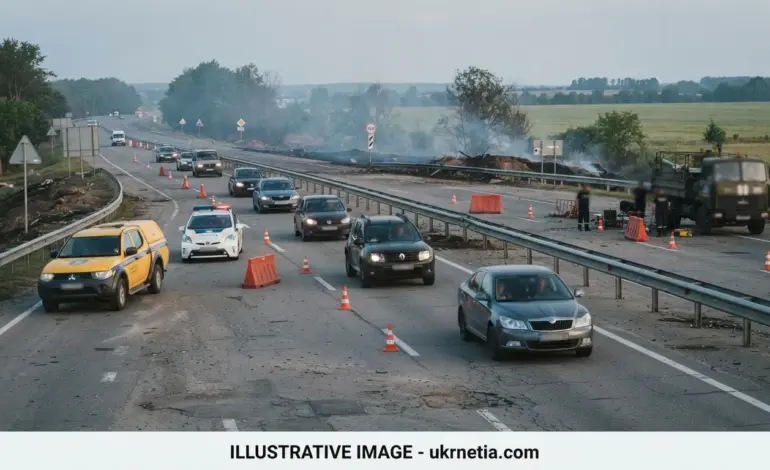
The attack also damaged transport infrastructure in the Izmail district.
Eight trucks carrying food products caught fire, while five grain trucks were completely destroyed and three others were damaged, according to Ukrainian emergency authorities.
The incident highlights the vulnerability of transport and logistics infrastructure during large-scale drone attacks.
Zaporizhzhia Region Also Reported Casualties
Zaporizhzhia region experienced continued Russian attacks during the same period.
Regional authorities reported that one person was killed and 15 people were injured over the preceding day.
Residential buildings, vehicles and infrastructure were also damaged.
Dnipropetrovsk Region Was Attacked
Several districts of Dnipropetrovsk region were also targeted by Russian drones and artillery.
Two people were injured, while infrastructure and a business facility were damaged.
A building belonging to a logistics company caught fire.
Kyiv and Kyiv Region Remained Under Attack
The capital and surrounding region also faced another wave of Russian attacks.
According to reports, buildings were damaged and a fire broke out in an apartment during the night.
The attack came after several days of particularly intense Russian attempts to strike Kyiv and the surrounding region.
Kyiv Has Faced Repeated Attacks
According to RBC-Ukraine, Russian forces carried out dozens of attacks targeting Kyiv and the Kyiv region during the preceding days.
The repeated attacks have placed additional pressure on Ukrainian air defenses and created prolonged periods of air-raid warnings for residents.
The Attack Continued Into the Morning
The Ukrainian Air Force warned that the attack had not completely ended when the first morning assessment was released.
Several Russian drones remained in Ukrainian airspace.
Residents were therefore urged to continue following air-raid warnings and safety instructions.
Why Russia Uses Hundreds of Drones at Once
Large drone waves can place significant pressure on air defense systems.
Russia can combine different types of attack drones with decoys and other weapons, forcing Ukrainian defenders to identify and respond to numerous targets simultaneously.
The August 29 attack again demonstrated this approach.
Decoy Drones Are Part of the Attack
Not all drones in a large Russian wave are designed to strike targets directly.
Russia also uses decoy systems such as Parodiya to complicate Ukrainian air defense operations.
These drones can force defenders to spend time and resources identifying incoming targets.
Jet-Powered Shaheds Are Also Being Used
The Ukrainian Air Force specifically reported the use of jet-powered versions of Shahed-type drones.
These systems can present different challenges compared with conventional slow-moving attack drones.
The Scale of the Attack Matters
Launching 267 drones at once creates a very different operational challenge from launching several isolated UAVs.
Even when most targets are intercepted, a small number reaching their destinations can cause casualties and significant damage.
Air Defense Neutralized Most of the Drones
The reported interception rate was high.
Of 267 drones launched, 233 were shot down or suppressed by the time of the morning assessment.
That still left dozens of systems requiring further assessment.
But Interception Does Not Eliminate All Risk
A successful interception does not necessarily mean that there will be no damage.
Falling debris can damage buildings, vehicles and infrastructure.
In addition, some weapons may penetrate air defenses or reach targets by other means.
Civilian Areas Remain Vulnerable
The casualties reported after the August 29 attack occurred in areas containing civilian infrastructure.
The destruction of residential and commercial property demonstrates the continuing risks faced by people far from the front line.
Transport Infrastructure Is Also at Risk
The damage in the Izmail district shows another dimension of the attacks.
Transport infrastructure and trucks carrying food products can become targets or suffer collateral damage during Russian strikes.
Such incidents can affect local supply chains even when the primary target is not immediately clear.
The Attack Has Economic Consequences
Damage to logistics facilities, commercial buildings and transport infrastructure can have consequences beyond the immediate physical destruction.
Businesses may lose vehicles, equipment and goods, while damaged infrastructure can disrupt deliveries.
Food Logistics Were Affected in Odesa Region
The destruction of grain trucks is particularly significant because the Odesa region is one of Ukraine’s major logistics hubs.
The area contains important road, rail and port infrastructure connecting Ukrainian agricultural producers with domestic and international markets.
The Attack Came During a Period of Heavy Russian Strikes
The August 29 attack was not an isolated incident.
Ukrainian cities and regions have faced repeated waves of Russian missiles and drones during the preceding days.
Kyiv Region Has Been Under Particular Pressure
The capital region has experienced repeated air-raid alerts and drone attacks.
The continuing pressure forces air defense units to remain operational for long periods and affects civilian life.
Residents Face Another Night of Uncertainty
For civilians, a large overnight attack means interrupted sleep, sheltering, evacuation risks and uncertainty about what will happen next.
Even when most weapons are intercepted, the sound of explosions and air-defense activity can continue for hours.
The Human Cost Is Still Being Clarified
The casualty figures reported during the morning may not represent the final toll.
Authorities in several regions were still assessing the consequences of the attack.
Further information may therefore change as emergency services complete inspections.
The Attack Hit Several Parts of Ukraine
The reported incidents in Odesa, Zaporizhzhia, Dnipropetrovsk and Kyiv regions demonstrate the geographic scale of the attack.
The weapons were directed across much of the country rather than at a single isolated area.
Ukraine’s Air Defense Continues to Adapt
The response to the attack involved aircraft, missile systems, electronic warfare and mobile fire groups.
This layered approach allows Ukraine to defend against different types of threats simultaneously.
Electronic Warfare Plays an Increasing Role
Electronic warfare can disrupt certain drones without physically destroying them.
That is why Ukrainian reports often use the combined wording “shot down or suppressed” when describing the number of neutralized UAVs.
Air Defense Is Not Only About Missiles
Modern Ukrainian air defense relies on several technologies.
Fighter aircraft, surface-to-air missiles, electronic warfare, mobile units and other systems can all contribute to stopping an incoming attack.
The Overnight Attack Shows the Complexity of the Threat
The Russian force used anti-ship and ballistic missiles alongside several types of drones and decoys.
This combination is designed to create multiple simultaneous threats and complicate the work of Ukrainian defenders.
Some Areas Suffered Direct Hits
The Air Force confirmed strikes at 15 locations.
The fact that some weapons reached their targets despite the large number of interceptions shows why Ukraine continues to require strong and layered air defense.
Others Were Hit by Falling Debris
Four additional locations were affected by debris from intercepted Russian targets.
This is another reason why civilians can remain at risk even when an incoming drone or missile is successfully intercepted.
The Attack Was Still Being Assessed
The morning reports were explicitly preliminary.
The Ukrainian Air Force said information about some Russian weapons was still being clarified.
Regional authorities were simultaneously assessing casualties and material damage.
What Residents Should Do During Similar Attacks
Ukrainian authorities continue to urge residents to respond to air-raid alerts immediately.
People should move to shelters when possible and avoid filming or approaching air-defense operations.
The Situation Can Change Quickly
During a large overnight attack, information often arrives in stages.
Initial reports may describe the number of drones launched, followed by updated information about interceptions, hits, casualties and damage.
The final assessment can therefore differ from the first morning report.
A Massive Drone Wave With Limited Missile Use
Although the attack involved only two reported missiles, the number of drones was enormous.
The combination of 2 missiles and 267 drones demonstrates how Russia continues to rely heavily on mass drone attacks.
The Numbers Show the Scale
The main figures from the initial assessment are striking:
267 drones launched.
233 drones neutralized.
15 locations hit.
4 locations affected by debris.
The attack nevertheless caused deaths, injuries and infrastructure damage in several regions.
The Attack Also Shows the Importance of Air Defense
The difference between the number of drones launched and the number that reached reported strike locations illustrates the importance of Ukraine’s air-defense network.
Without the large-scale interception effort, the potential damage from 267 drones would have been considerably greater.
But Ukraine Still Needs Protection
The fact that 15 locations were hit despite the interception of most drones demonstrates the continuing need for additional air-defense capabilities.
This remains one of Ukraine’s central security requirements.
The Morning After the Attack
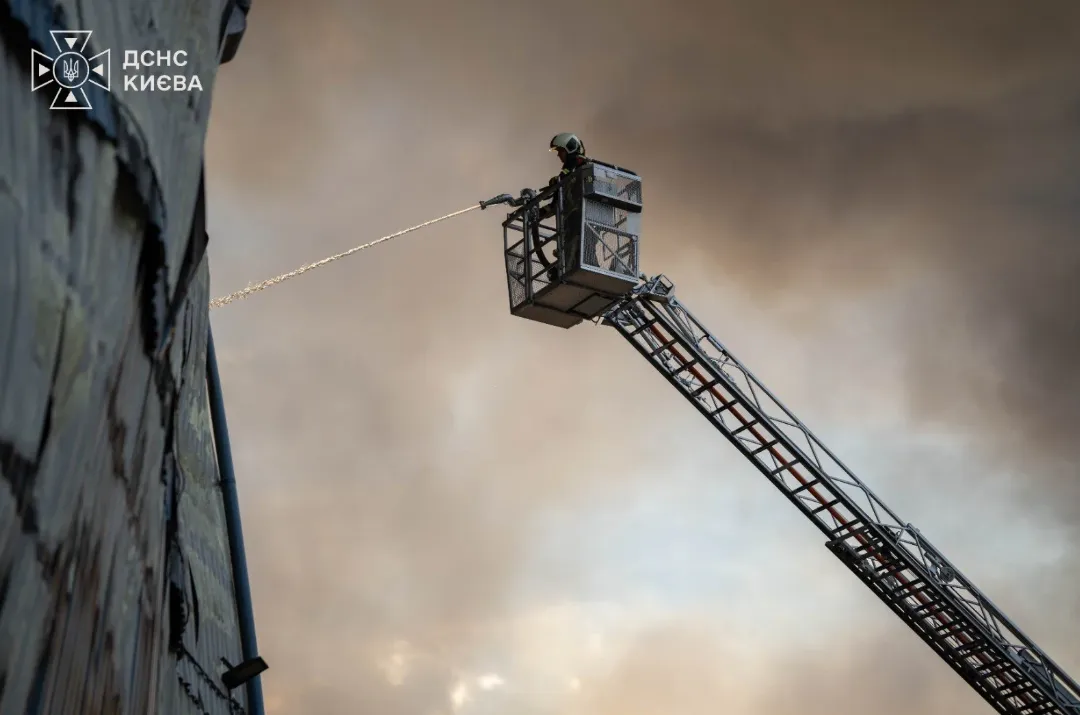
As daylight returned on August 29, emergency workers across several regions were assessing damage, extinguishing fires and helping injured residents.
The country was simultaneously dealing with another large wave of Russian attacks.
Ukraine Continues to Operate Under Repeated Air Attacks
The August 29 attack is another example of the environment in which Ukrainian civilians and infrastructure continue to function.
Air-defense crews remain on duty while emergency services respond to the consequences.
A Large Attack With a Wide Geographic Impact
Russia’s overnight strike combined a large number of drones with two missiles and affected multiple regions.
Although Ukraine’s air defenses neutralized most of the drones, the attack still produced casualties and damage.
A Night of Mass Drone Warfare Across Ukraine
The August 29 attack demonstrates the scale and complexity of Russia’s current aerial campaign against Ukraine.
Two missiles and 267 drones were launched, while Ukrainian forces reported neutralizing 233 UAVs. Yet strikes were still recorded at 15 locations, with casualties and damage reported in several regions.
For civilians, the attack once again showed that even a high interception rate cannot completely eliminate the danger. Ukraine’s air-defense network prevented a much larger number of strikes, but the remaining weapons were enough to kill and injure people and damage homes, businesses and transport infrastructure.