Russia Attacks Ukraine With 152 Drones and Loitering Munitions in Massive Overnight Barrage


KEY TAKEAWAYS
- Russia launched 152 attack drones and loitering munitions against Ukraine during the night of August 14–15.
- The attack included Shahed drones, including jet-powered variants, as well as Gerbera drones, Banderol loitering munitions and Parody decoys.
- Ukrainian air defenses reported destroying or suppressing 127 aerial targets by 9 a.m.
- Hits were recorded at 16 locations, while debris from intercepted targets fell at another location.
- The attack was still ongoing when the Ukrainian Air Force released its morning report.
Russia launched 152 drones and loitering munitions against Ukraine overnight, creating another large-scale aerial assault involving several different types of attack and decoy systems. Ukrainian air defenses reported neutralizing 127 of the incoming targets, although strikes were recorded at multiple locations across the country.
152 Aerial Targets Launched
The attack began at around 6 p.m. on August 14 and continued through the night into August 15.
According to the Ukrainian Air Force, Russian forces launched 152 unmanned aerial vehicles and loitering munitions from several locations in Russia, including the Kursk, Oryol, Millerovo and Primorsko-Akhtarsk areas. Additional launches came from temporarily occupied territory in Donetsk Oblast.
The scale of the attack demonstrates how Russia has continued expanding the use of mass drone barrages against Ukraine.
Several Types of Drones Used
The Russian force included several different systems.
Among them were Shahed drones, including jet-powered versions, as well as Gerbera drones, Banderol loitering munitions and Parody decoy drones.
This mixture is increasingly characteristic of Russian overnight attacks. The different systems can perform different roles, while decoy drones can complicate the task of identifying which targets pose the greatest threat.
Gerbera drones, for example, have been used both as decoys and in some cases with explosive payloads, while Parody systems are primarily intended to imitate more valuable strike drones and complicate air-defense operations.
127 Targets Neutralized
As of 9 a.m., Ukrainian air defenses reported destroying or suppressing 124 Shahed, Gerbera and other drone variants, along with three Banderol loitering munitions.
That brought the reported number of neutralized targets to 127 out of 152.
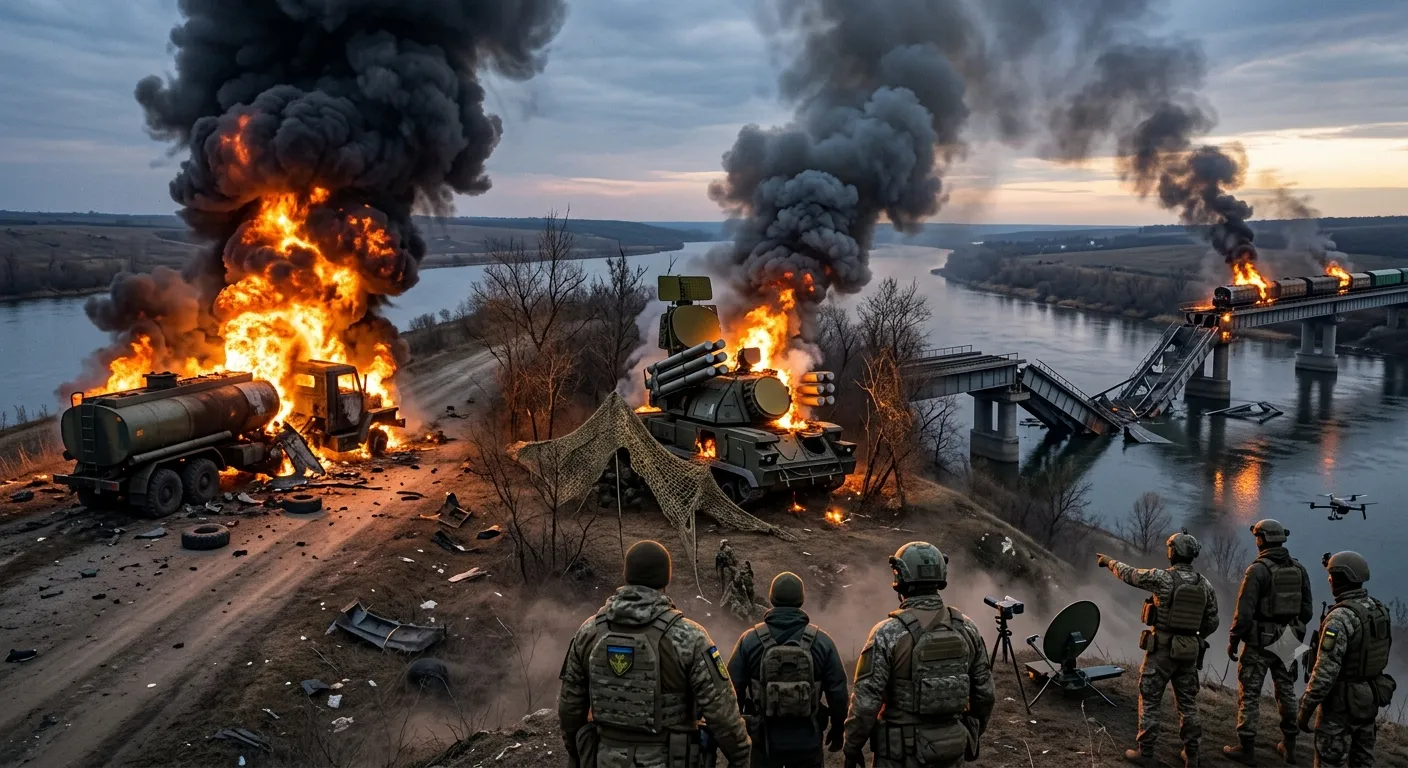
The Ukrainian Air Force said the response involved aviation, surface-to-air missile units, electronic warfare systems, the Unmanned Systems Forces and mobile fire groups.
Several Russian drones were still in the air when the report was published, meaning the final figures could change.
Hits Recorded at 16 Locations
Despite the large number of intercepted targets, Russia’s attack also resulted in confirmed impacts.
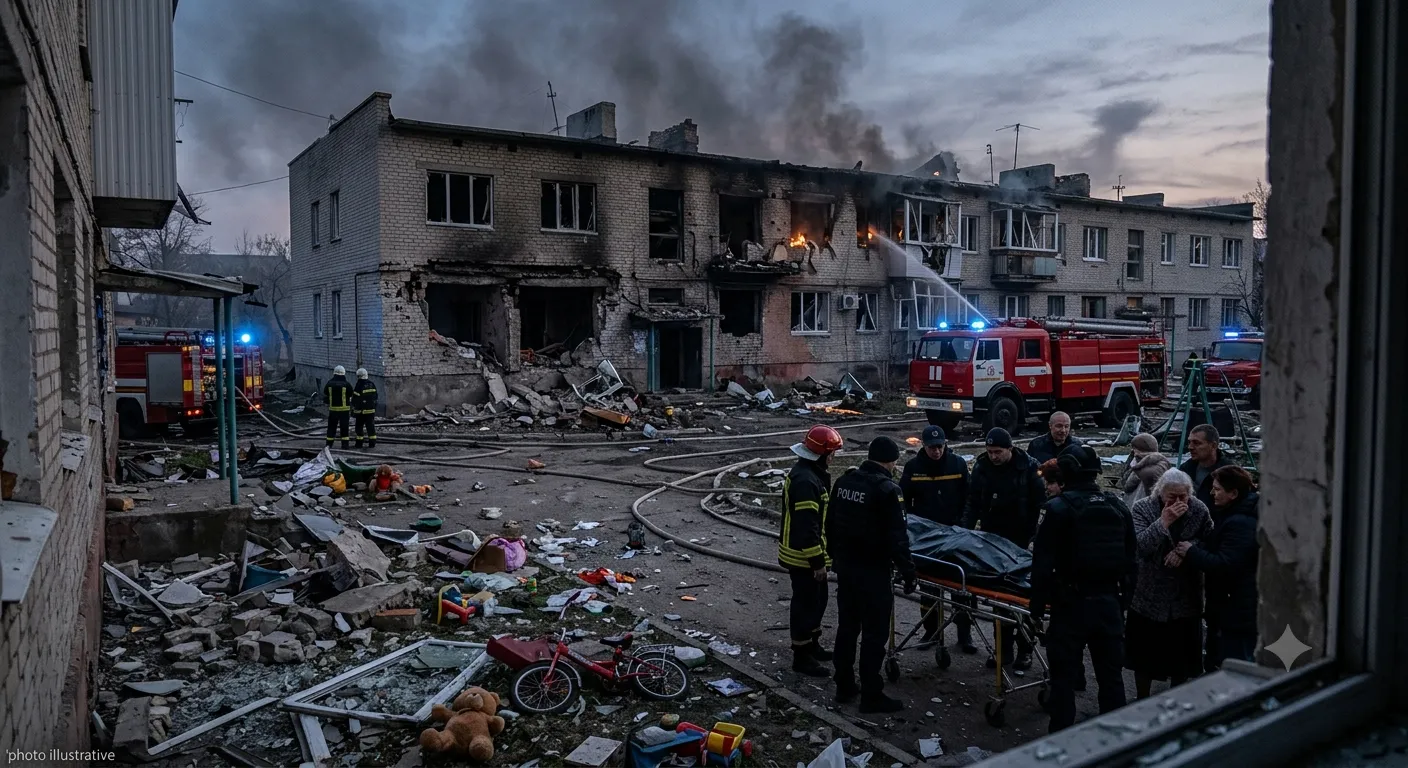
The Air Force reported hits at 16 locations, while debris from intercepted drones fell at another location.
The morning report did not provide a complete assessment of casualties or material damage across all affected regions.
Further information is expected as Ukrainian authorities inspect the affected sites and determine the consequences of the overnight barrage.
Russia’s Increasingly Complex Drone Campaign
The composition of the attack illustrates how Russia’s drone campaign has evolved.
Rather than relying exclusively on Shahed-type strike drones, Russia increasingly combines different UAVs and loitering munitions in the same attack.
The purpose is not simply to increase the number of weapons in the air. A mixed formation can force Ukrainian air defenses to identify different targets, manage limited resources and respond to both genuine strike drones and decoys.
Recent Russian attacks have repeatedly involved Shaheds alongside Gerbera, Italmas and Parody-type systems.
Another Test for Ukrainian Air Defenses
The overnight attack once again placed pressure on Ukraine’s layered air-defense network.
The reported interception of 127 targets demonstrates the effectiveness of Ukraine’s combined use of missile systems, electronic warfare, aircraft, mobile fire groups and drones.
At the same time, the 16 reported impact locations show why Russia continues to use mass attacks: even when a large majority of incoming targets are neutralized, some can still penetrate the defensive network.
The attack was still underway when the Ukrainian Air Force issued its morning update, so the final number of intercepted targets, impacts and damage could increase as the situation is assessed.