Archaeologists Discover Probable 9th-Century Workshop at Ancient Plisnesk

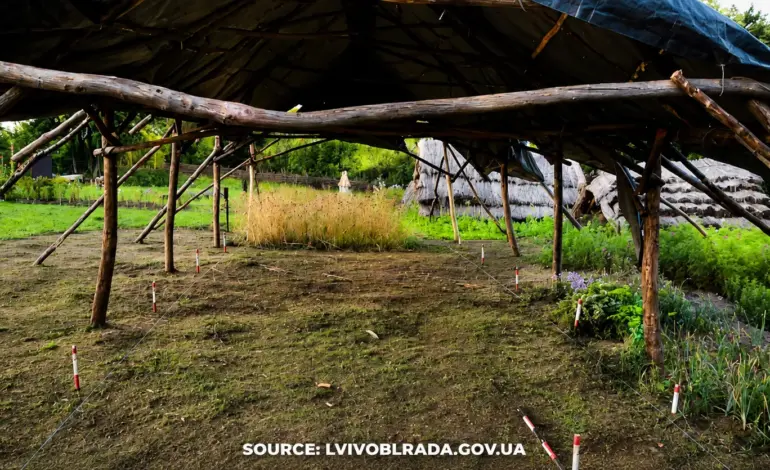
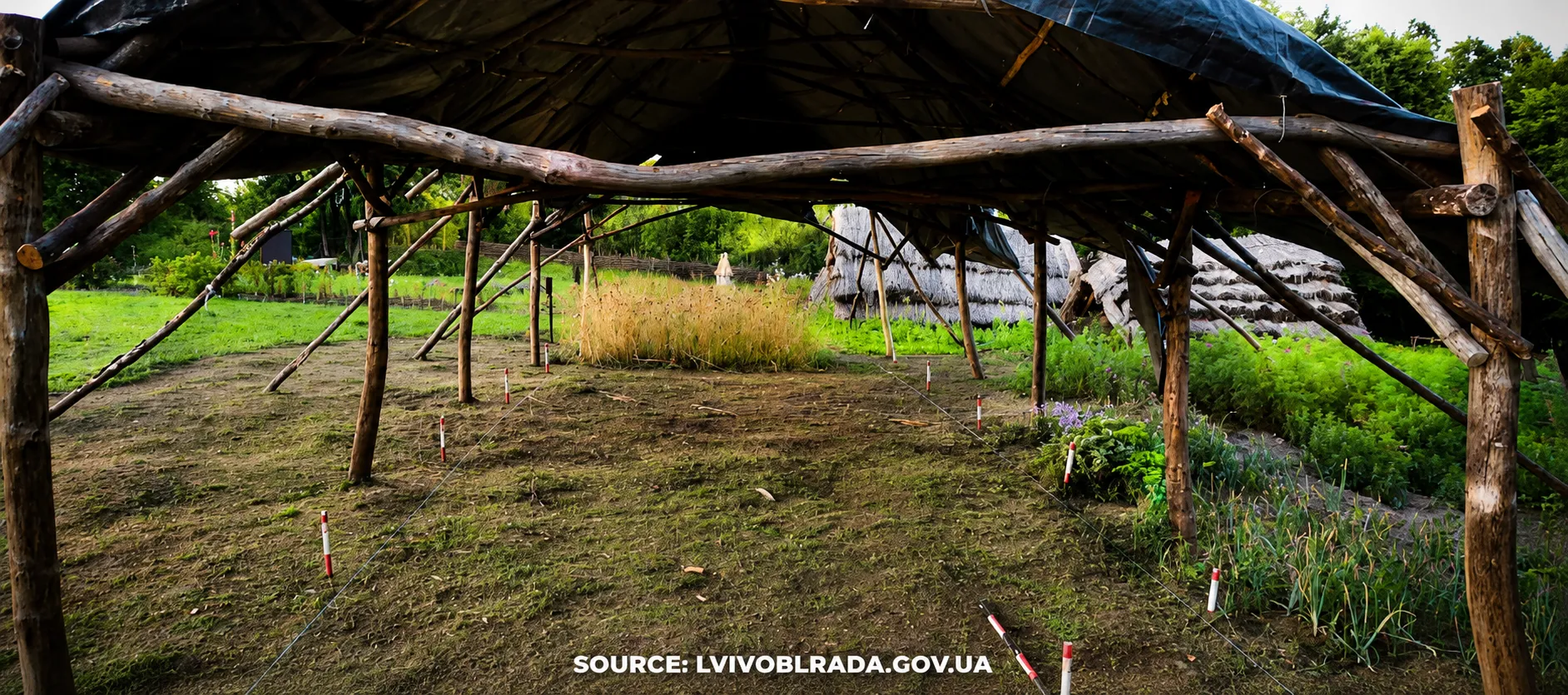
Archaeologists working at the Ancient Plisnesk archaeological reserve in Lviv region have nearly completed the excavation of a structure dating to the late ninth or first half of the tenth century. Its size, layout and stone paving suggest it may have been used as a workshop.
Archaeologists Investigate a Possible Medieval Workshop
The structure was discovered in 2023, but researchers were able to examine a substantial part of it only during this year’s archaeological season.
It has an irregular rectangular shape, is larger and shallower than typical residential buildings found at the site, and has additional stone paving. These features led archaeologists to preliminarily classify it as a possible production facility rather than a dwelling.
A Possible Pottery Workshop Was Found Nearby
Another structure located nearby had previously been interpreted as a possible pottery workshop.
Archaeologists found a furnace and a clay-filled pit there, as well as an unusually large amount of pottery fragments. The findings suggest that two production-related structures may have operated next to each other.
Researchers are continuing to determine exactly what activities took place in the newly investigated building.
Pottery and Iron Artifacts Were Found
The excavation produced a significant amount of ceramic material from different periods.
Researchers also found several iron objects, including knives, an awl, arrowheads and a whetstone. After documentation and processing, the artifacts will be transferred to the reserve’s collections.
The excavation of this particular area lasted about two weeks, with up to five reserve employees participating at different stages. The Plisnesk archaeological expedition is headed by archaeologist Oleksandr Didyk.
Only a Small Part of Ancient Plisnesk Has Been Excavated
The current archaeological season has already covered two areas of the site.
Researchers also investigated an addition to a 9th–10th-century defensive rampart, which appears to have had a military function. Among the findings there were traces of a possible wooden floor constructed on timber logs.
Archaeological research at Plisnesk has been conducted since 1810 and continuously since 1990. However, only about 1.5% of the site’s approximately 250-hectare territory has so far been investigated.
Excavations Will Continue in September
The ongoing research is also connected with plans to create an archaeological open-air museum at Ancient Plisnesk.
The proposed skansen will allow visitors to see reconstructed ancient buildings at the locations where their archaeological remains were discovered.
Researchers plan to continue excavations in September.