Eye Colors in Ukraine: Understanding the Country’s Remarkable Diversity

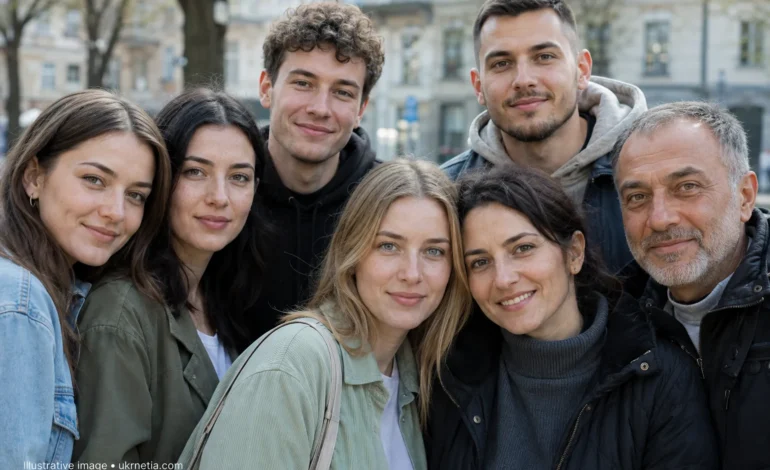
Ukraine is often associated with beautiful landscapes, historic cities, and rich cultural traditions. Less obvious—but equally fascinating—is the country’s remarkable human diversity.
One question that occasionally appears online is: What color eyes do Ukrainians have?
The answer is simple: there is no single “Ukrainian eye color.”
Ukraine has been a crossroads of Europe for thousands of years. Migration, trade, and the movement of different peoples have contributed to a population with a wide range of physical characteristics, including eye color.
Rather than looking for one typical appearance, it is more accurate to understand Ukraine as a country of considerable regional and individual diversity.
There Is No Single “Typical” Ukrainian Appearance
Unlike common stereotypes, Ukrainians do not all look alike.
Across the country, it is possible to meet people with:
- blue eyes;
- gray eyes;
- green eyes;
- hazel eyes;
- light brown eyes;
- dark brown eyes.
No single eye color defines Ukrainian identity.
Just as in many other European countries, physical appearance varies naturally from one individual to another.
Blue and Gray Eyes Are Common
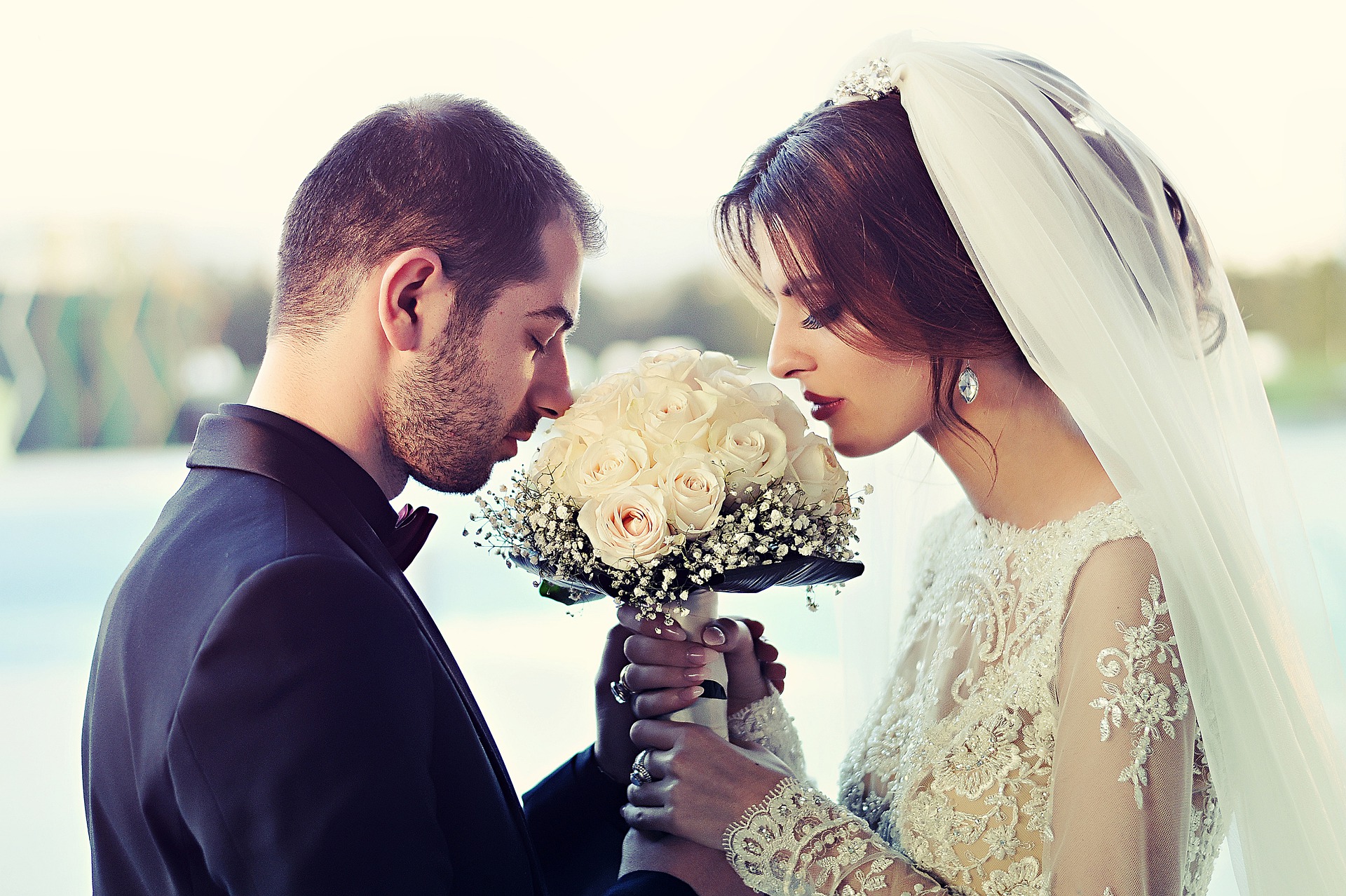
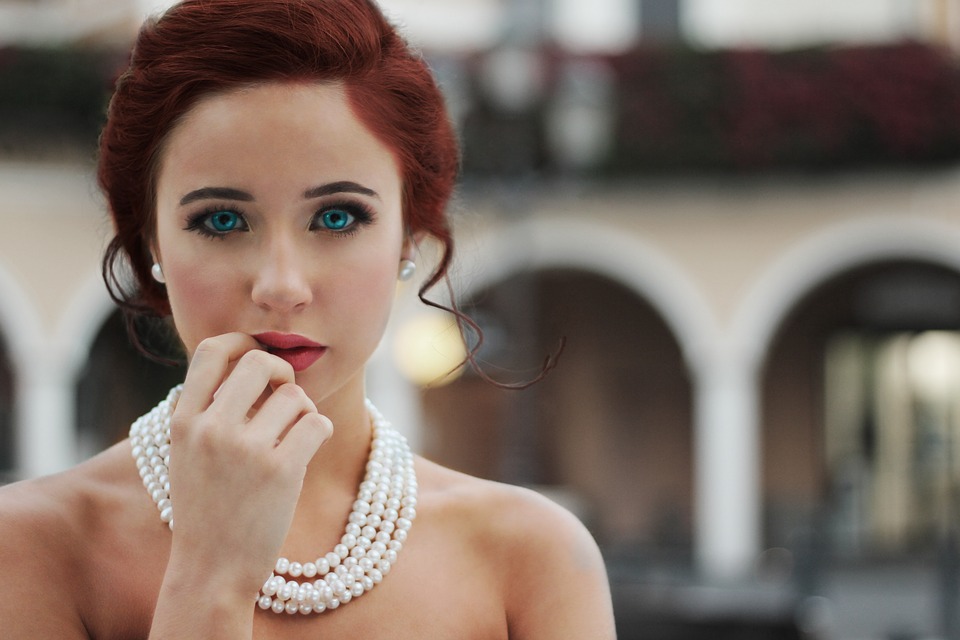
Light-colored eyes, particularly blue and gray, are relatively common in Ukraine.
These eye colors are especially widespread across many parts of Northern and Eastern Europe, and Ukraine shares much of this historical genetic heritage.
However, this does not mean that most Ukrainians have blue eyes or that darker eye colors are unusual.
Brown Eyes Are Equally Part of Ukraine’s Diversity
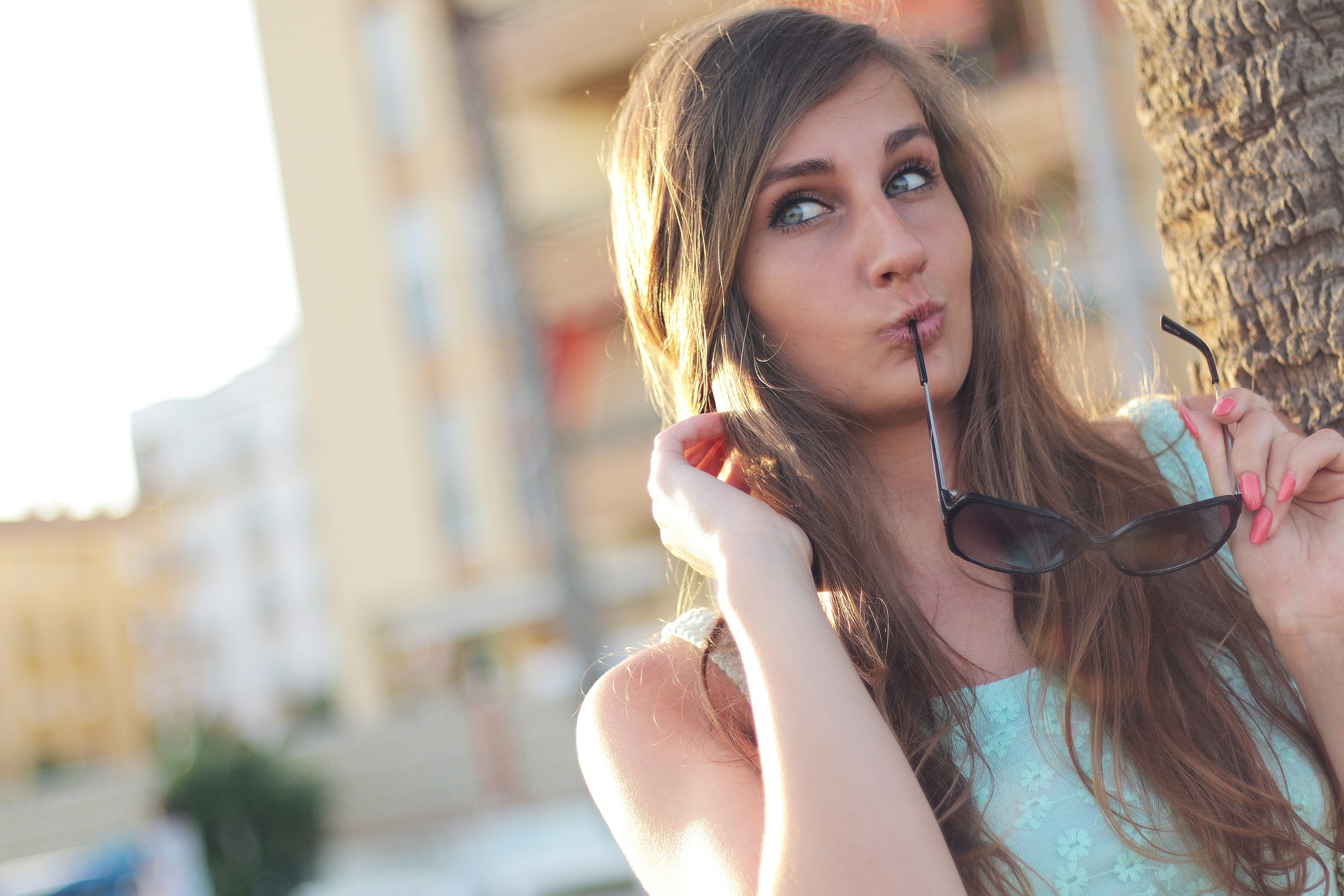
Brown eyes are also very common among Ukrainians.
Many families include relatives with completely different eye colors, even within the same generation.
This diversity reflects centuries of population movement and cultural interaction rather than any single ancestral origin.
Why Are Ukrainians So Diverse?
Ukraine has long stood at the intersection of major European trade routes.
Throughout history, the territory has seen the influence of:
- ancient Greek colonies;
- Scythian and Sarmatian peoples;
- Slavic tribes;
- Kyivan Rus’;
- the Grand Duchy of Lithuania;
- the Polish–Lithuanian Commonwealth;
- the Ottoman Empire;
- the Austro-Hungarian Empire;
- and many other cultures.
Over centuries, these historical interactions contributed to the country’s rich cultural and genetic diversity.
As a result, no single combination of eye color, hair color, or facial features can accurately represent all Ukrainians.
Eye Color Does Not Define National Identity
Modern nationality is based on citizenship, culture, language, shared history, and personal identity—not physical appearance.
A Ukrainian may have blue, green, hazel, or brown eyes.
Similarly, people with identical eye colors can come from entirely different countries.
Physical traits are only one small part of human diversity and should never be viewed as defining a nation’s identity.
Regional Differences Are Subtle
Some people assume that certain regions of Ukraine have distinctly different physical characteristics.
In reality, regional differences are generally subtle and far less pronounced than popular stereotypes suggest.
Large cities such as Kyiv, Lviv, Odesa, Kharkiv, and Dnipro have long attracted people from different parts of the country, making today’s population even more diverse.
Individual family history usually has a greater influence on appearance than geography alone.
Beyond Eye Color
Visitors often notice something beyond physical appearance.
Many describe Ukrainians as friendly, resilient, creative, and welcoming.
These qualities reflect culture, upbringing, and personal character rather than genetics.
While eye color may be an interesting topic from an anthropological perspective, it tells us very little about the people themselves.
Looking Ahead
There is no single eye color that defines Ukrainians.
Blue, gray, green, hazel, and brown eyes can all be found throughout the country, reflecting Ukraine’s long and diverse history at the crossroads of Europe.
For anyone interested in understanding Ukraine, appearance is only the beginning. The country’s true identity is found in its history, traditions, language, creativity, and the everyday lives of its people—qualities that cannot be measured by eye color alone.