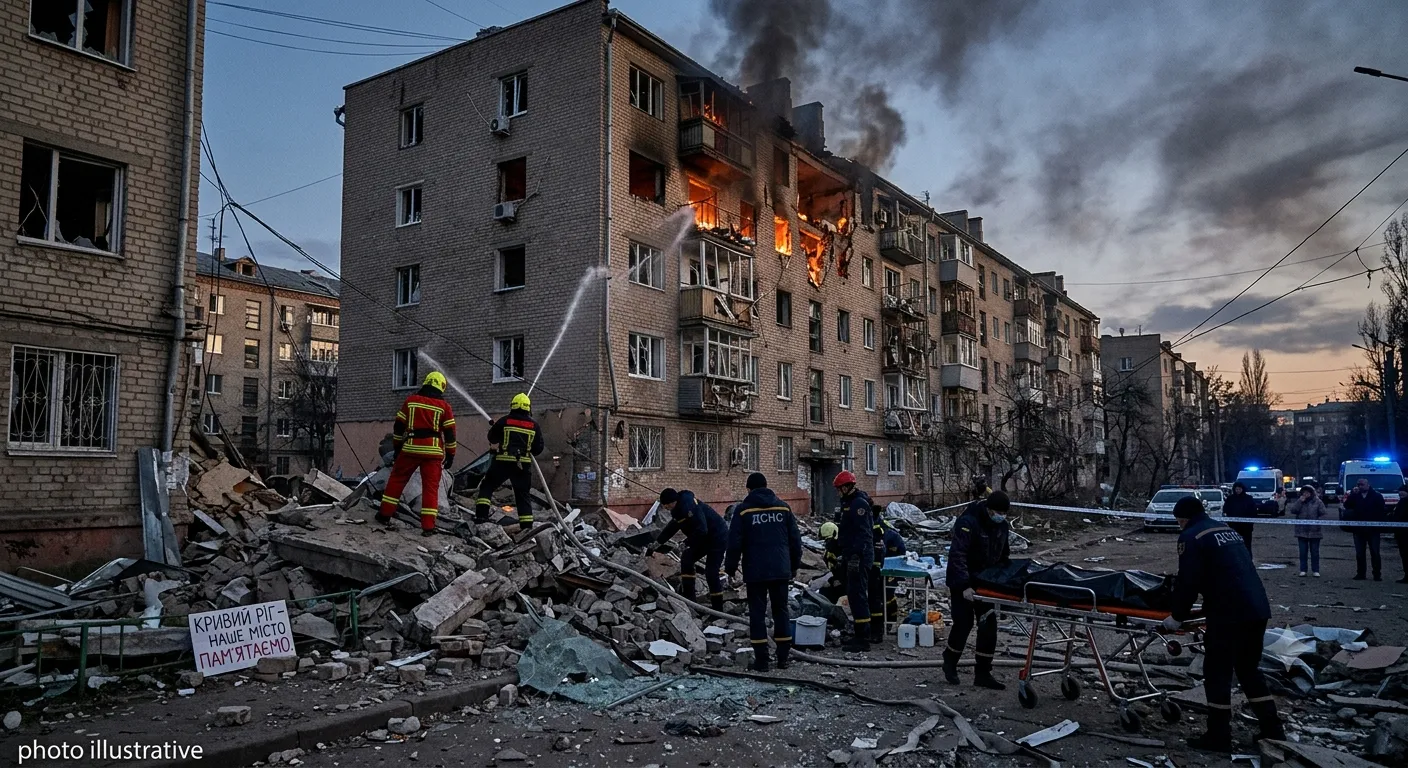
UN Official Warns of Civilian Toll as Drones Cause 70% of Injuries in Kherson


KEY TAKEAWAYS
- UN Deputy Secretary-General for Humanitarian Affairs Tom Fletcher visited Kherson ahead of World Humanitarian Day.
- Medical staff at Kherson Regional Hospital told Fletcher that around 70% of injured patients are suffering trauma from drone attacks.
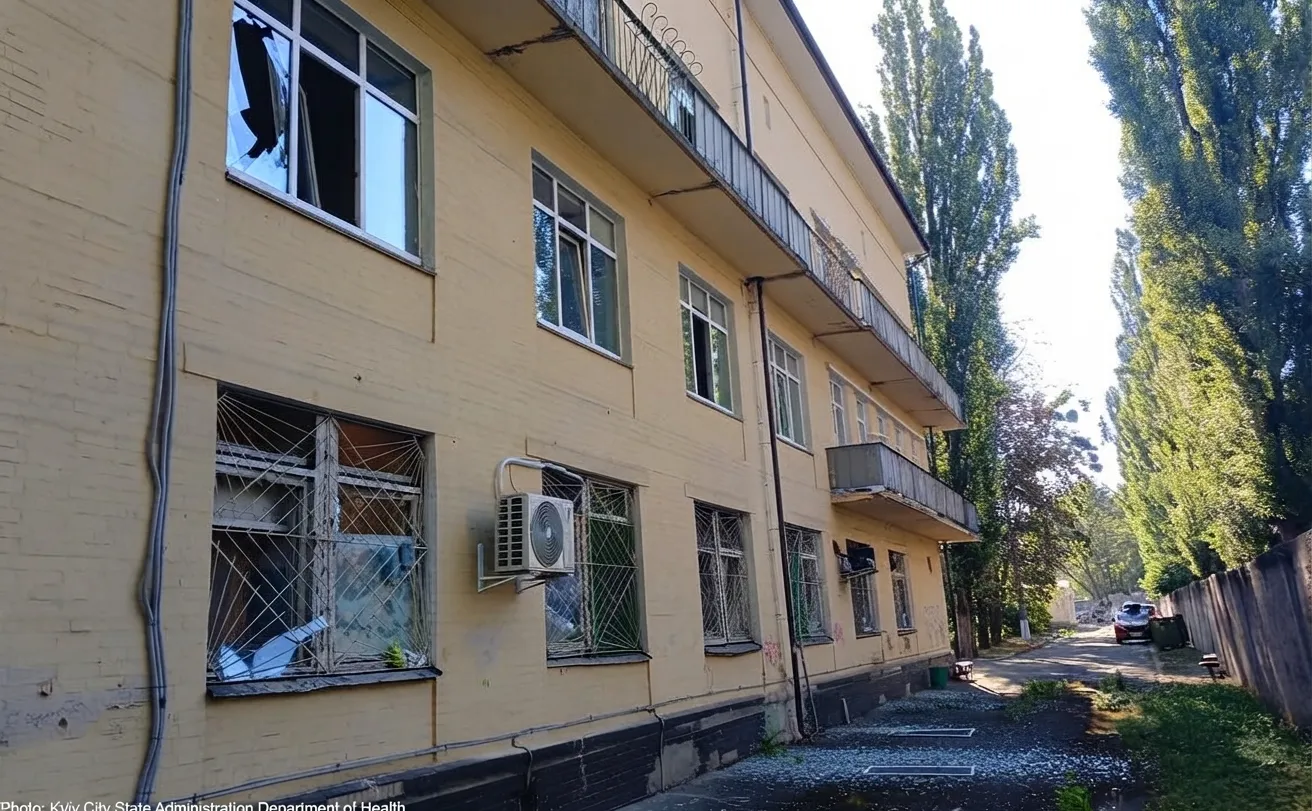
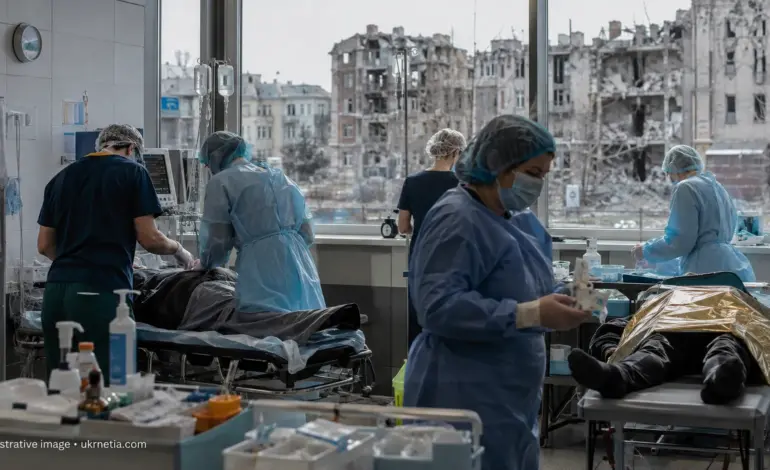
- The hospital has shifted from primarily providing planned medical care to functioning largely as an emergency trauma facility during the full-scale war.
- Fletcher called for stronger protection of civilians and greater accountability for attacks that harm civilians and humanitarian workers.
- The UN official highlighted the psychological impact of living under the constant threat of drone attacks.
- The situation in Kherson reflects a broader pattern documented by the UN, with short-range drones becoming a major cause of civilian casualties near Ukraine’s front line.
UN Deputy Secretary-General for Humanitarian Affairs Tom Fletcher visited Kherson and heard directly from medical workers that around 70% of injured patients at the regional hospital have suffered trauma from Russian drone attacks. His visit highlighted the growing humanitarian impact of short-range drones on civilians and prompted a renewed call for stronger protection and accountability.
Tom Fletcher Visits Kherson
Tom Fletcher, the UN Deputy Secretary-General for Humanitarian Affairs and Emergency Relief Coordinator, visited Kherson on August 19.
The visit took place ahead of World Humanitarian Day and included meetings with local residents, volunteers and medical workers at Kherson Regional Hospital.
The UN official was able to see the conditions in which civilians and humanitarian workers continue to operate in a city exposed to repeated Russian attacks.
His visit focused on the humanitarian consequences of the war rather than military operations.
70% of Injuries Linked to Drone Attacks
One of the most striking figures presented during the visit came from medical staff at Kherson Regional Hospital.
According to the hospital’s acting deputy chief physician, approximately 70% of injured patients are suffering blast trauma caused by drone attacks.
A smaller proportion of injuries are attributed to artillery shelling.
The figure illustrates how significantly short-range drones have changed the security environment for civilians in Kherson.
Rather than being threatened only by large missile or artillery attacks, residents can now face attacks from relatively small drones operating close to the city.
Hospital Has Become an Emergency Trauma Center
Before Russia’s full-scale invasion, Kherson Regional Hospital primarily provided planned medical care.
The war has fundamentally changed its role.
Medical workers told Fletcher that the hospital has had to shift toward emergency treatment, dealing with strokes, heart attacks and, increasingly, severe blast injuries resulting from attacks.
The transformation reflects the wider impact of prolonged warfare on civilian healthcare.
Medical facilities must continue treating ordinary illnesses while simultaneously maintaining the capacity to respond to a constant stream of war-related injuries.
Drones Have Become a Major Civilian Threat
Short-range drones have become one of the most dangerous weapons for civilians living close to the front line.
Their relatively small size, maneuverability and ability to attack individual vehicles or people create a different kind of threat from conventional missile strikes.
In Kherson, residents can be exposed while walking through the city, traveling in vehicles or carrying out routine activities.
The UN has previously documented repeated Russian drone attacks against civilians on the right bank of the Dnipro River in Kherson Oblast.
The Threat Extends Beyond the Battlefield
The danger posed by drones is particularly significant because attacks can occur away from conventional military positions.
UN investigations have documented cases in which Russian forces used drones against civilians near their homes and while they were traveling on foot or in vehicles.
The UN Commission of Inquiry has also reported that it found no indication of military presence at or near a number of locations targeted in the documented incidents.
This has contributed to growing concern about the safety of civilian life in Kherson and surrounding areas.
Fletcher Calls for Protection of Civilians
During his visit, Fletcher emphasized the need to protect civilians from the consequences of modern warfare.
He described the psychological atmosphere in Kherson as one of collective trauma and anxiety, with residents living under a constant threat.
The UN official argued that the international community must send a clear message that civilians have to be protected and that there must be accountability for attacks that harm civilians and humanitarian personnel.
Technology Is Changing the Nature of the War
Fletcher also highlighted the way technological developments are changing the risks faced by civilians.
Small drones allow attacks to be conducted with increasing precision and flexibility.
For residents of frontline cities, that technological evolution can make everyday movement more dangerous because threats may come from relatively small aerial systems rather than only from large-scale bombardments.
The UN official said international rules and mechanisms of accountability need to keep pace with these technological developments.
Kherson Has Experienced Repeated Drone Attacks
The latest assessment from the hospital comes amid months of repeated drone attacks on Kherson.
The city’s location near the Dnipro River places it close to Russian-controlled territory on the opposite bank.
This geographical proximity has made Kherson particularly vulnerable to short-range drone attacks.
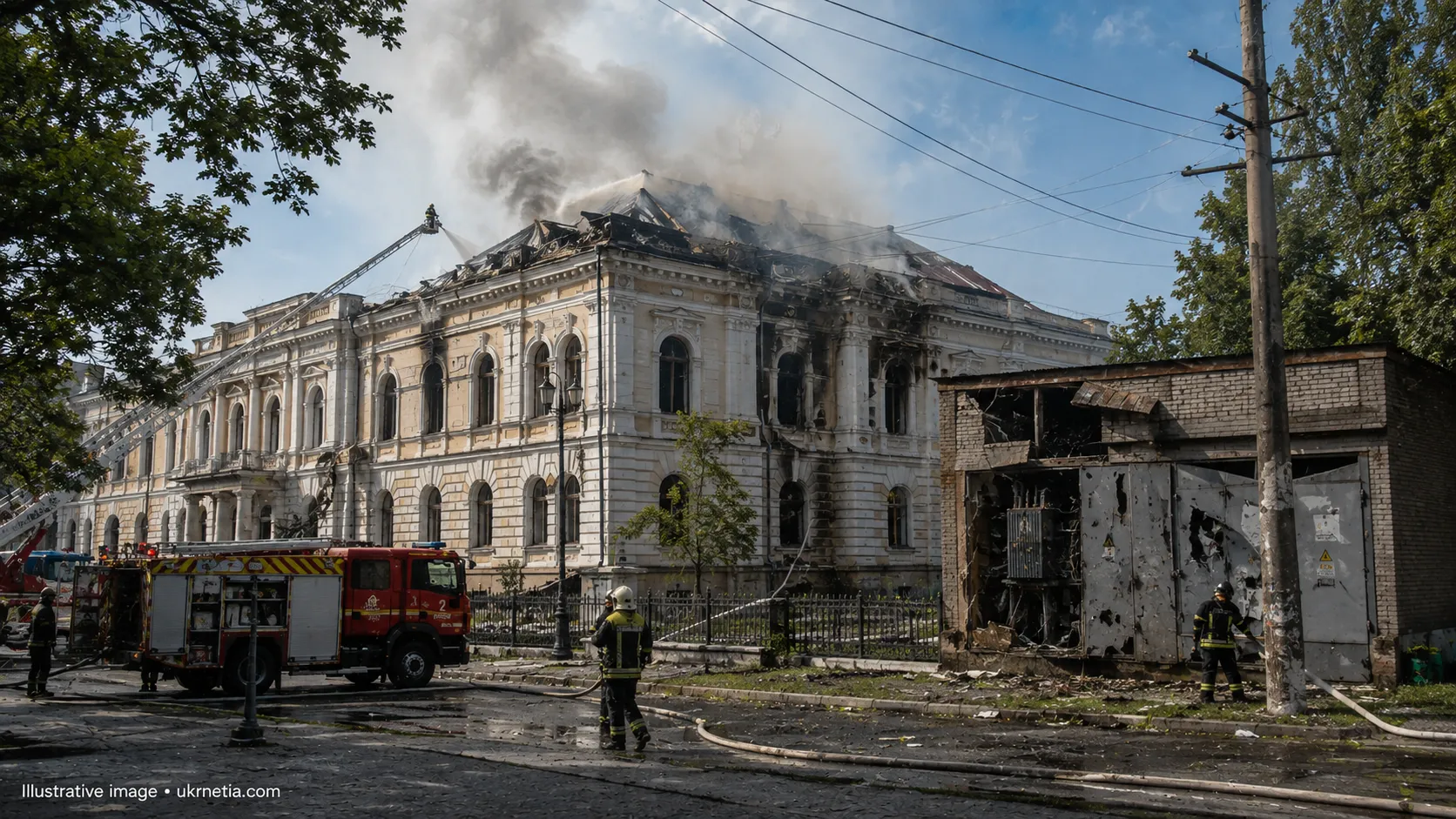
Civilian vehicles, roads, neighborhoods and other everyday locations have repeatedly been affected.
UN Data Shows the Wider Scale of the Problem
The situation in Kherson is part of a broader national pattern.
According to the UN’s May 2026 civilian casualty update, short-range drones were the leading cause of civilian casualties near Ukraine’s front line during that month.
They killed 64 civilians and injured 539, making May the deadliest month for short-range drone-related civilian casualties since the beginning of the full-scale invasion at that time.
The data shows why the humanitarian concern extends well beyond a single city.
Kherson Among the Most Affected Cities
UN data also shows that Kherson has repeatedly recorded some of the highest civilian casualty figures in Ukraine.
In May 2026, Kherson recorded 14 civilian deaths and 221 injuries, placing it among the Ukrainian locations with the highest numbers of civilian casualties that month.
More recently, UN monitoring showed that the situation remained severe.
In July 2026, at least 34 civilians were killed and 424 injured in Kherson as a result of hostilities, according to figures reported from the UN Human Rights Monitoring Mission.
Humanitarian Workers Face Risks Too
The danger is not limited to ordinary residents.
Humanitarian workers operating in Kherson also face the risk of drone attacks while delivering assistance or supporting vulnerable communities.
Fletcher specifically referred to the need to protect both civilians and humanitarian personnel during his visit.
This creates additional difficulties for organizations trying to provide food, medicine, evacuation assistance and other essential services.
Medical Workers Are Operating Under Constant Pressure
Hospitals in frontline regions must deal with a combination of ordinary medical needs and war-related emergencies.
Doctors and nurses cannot simply suspend normal healthcare because of attacks.
At the same time, they must maintain emergency capacity for patients arriving with blast injuries, burns and other trauma.
The shift described by Kherson medical staff demonstrates how the war has transformed the role of civilian healthcare institutions.
Civilian Life Has Become Increasingly Difficult
For residents, the threat affects far more than physical safety.
Constant exposure to explosions and drones creates psychological stress and uncertainty.
People may hesitate to travel, use public transport or spend time outdoors because they cannot predict when another attack might occur.
Fletcher described this atmosphere as a form of collective trauma and anxiety affecting the population.
The UN Is Calling for Accountability
Fletcher’s message also focused on responsibility for attacks against civilians.
The UN humanitarian leadership has repeatedly emphasized the obligation of parties to armed conflicts to respect international humanitarian law and protect civilian populations.
The call for accountability becomes particularly important when attacks repeatedly affect civilian areas.
Protection Requires More Than Humanitarian Aid
Humanitarian assistance can help civilians survive the consequences of attacks, but it cannot eliminate the threat itself.
Hospitals can treat injuries, volunteers can provide assistance and international organizations can document abuses.
However, long-term protection also depends on reducing the ability of Russian forces to attack civilians.
This is why Fletcher’s call focused not only on humanitarian assistance but also on civilian protection and accountability.
Ukraine Needs Better Protection Against Drones
The growing role of drones in attacks on Kherson creates a particular challenge for Ukrainian authorities.
Traditional air-defense systems are essential against missiles and larger aerial threats, but short-range drones require additional layers of protection.
These can include electronic warfare, drone detection systems, interception technologies and other counter-drone measures.
For frontline cities, effective protection against smaller drones can be just as important for civilian safety as traditional air defense.
The International Dimension
Fletcher’s visit also demonstrates the continued involvement of the UN in documenting and responding to the humanitarian consequences of Russia’s invasion.
International organizations can provide humanitarian assistance, monitor civilian casualties and draw attention to attacks affecting civilian populations.
Their presence in frontline cities also allows international officials to see conditions directly rather than relying exclusively on reports from national authorities.
Kherson Remains a Symbol of Civilian Vulnerability
Kherson has become one of the clearest examples of how modern warfare can affect civilian life far beyond traditional battlefields.
Residents remain exposed to artillery, aerial attacks and increasingly to small drones that can target people and vehicles directly.
The city’s experience also demonstrates why humanitarian protection has become an increasingly important part of Ukraine’s wartime needs.
What the UN Visit Highlights
Fletcher’s visit did not change the security situation in Kherson immediately.
Its significance lies instead in bringing international attention to the conditions faced by residents and medical workers.
The statistic that around 70% of injured patients at the regional hospital have suffered drone-related trauma provides a stark illustration of how the threat has evolved.
It also reinforces the UN’s broader warnings about the growing civilian impact of short-range drones.
The Humanitarian Challenge Is Growing
As the war continues, Ukrainian frontline communities face the challenge of maintaining basic services under increasingly sophisticated forms of attack.
Kherson’s hospitals must continue operating, humanitarian workers must continue delivering assistance and civilians must continue accessing essential services.
At the same time, the international community is being asked to strengthen both humanitarian support and mechanisms for civilian protection.
Tom Fletcher’s visit to Kherson has highlighted the growing humanitarian cost of Russian drone warfare, with medical staff reporting that around 70% of injured patients at the regional hospital suffered trauma from drone attacks. The UN’s wider data confirms that short-range drones have become one of the main causes of civilian casualties near Ukraine’s front line. For Kherson, where residents continue living under a persistent threat, the visit underscored the urgent need for civilian protection, humanitarian assistance and accountability for attacks.