Ukraine’s Drone Forces Strike Dozens of Energy Facilities in Occupied Territories as Kyiv Targets Russian Logistics Network

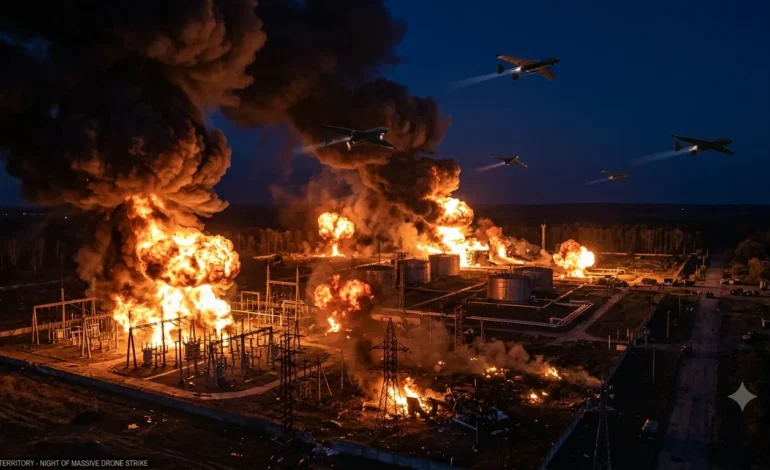
Ukraine’s Special Operations Forces of Unmanned Systems (SBS) have intensified strikes against energy infrastructure used by Russian forces in temporarily occupied territories, Ukrainian military officials say. The campaign has targeted dozens of power facilities in Crimea and other occupied regions, aiming to disrupt logistics, communications, and military supply networks.
According to SBS Commander Robert “Madyar” Brovdi, Ukrainian drone units hit 12 energy facilities during a three-day period, while the total number of affected energy sites since the beginning of July reached 83, according to Ukrainian military statements. Earlier reports confirmed that dozens of energy facilities had already been targeted during the first days of the month, including substations and other elements of the power system.
“Crimean Switch”: Targeting Russia’s Military Infrastructure
The strikes are part of an operation referred to by Ukrainian forces as “Crimean Switch”, aimed at weakening Russia’s ability to maintain military operations in occupied territories.
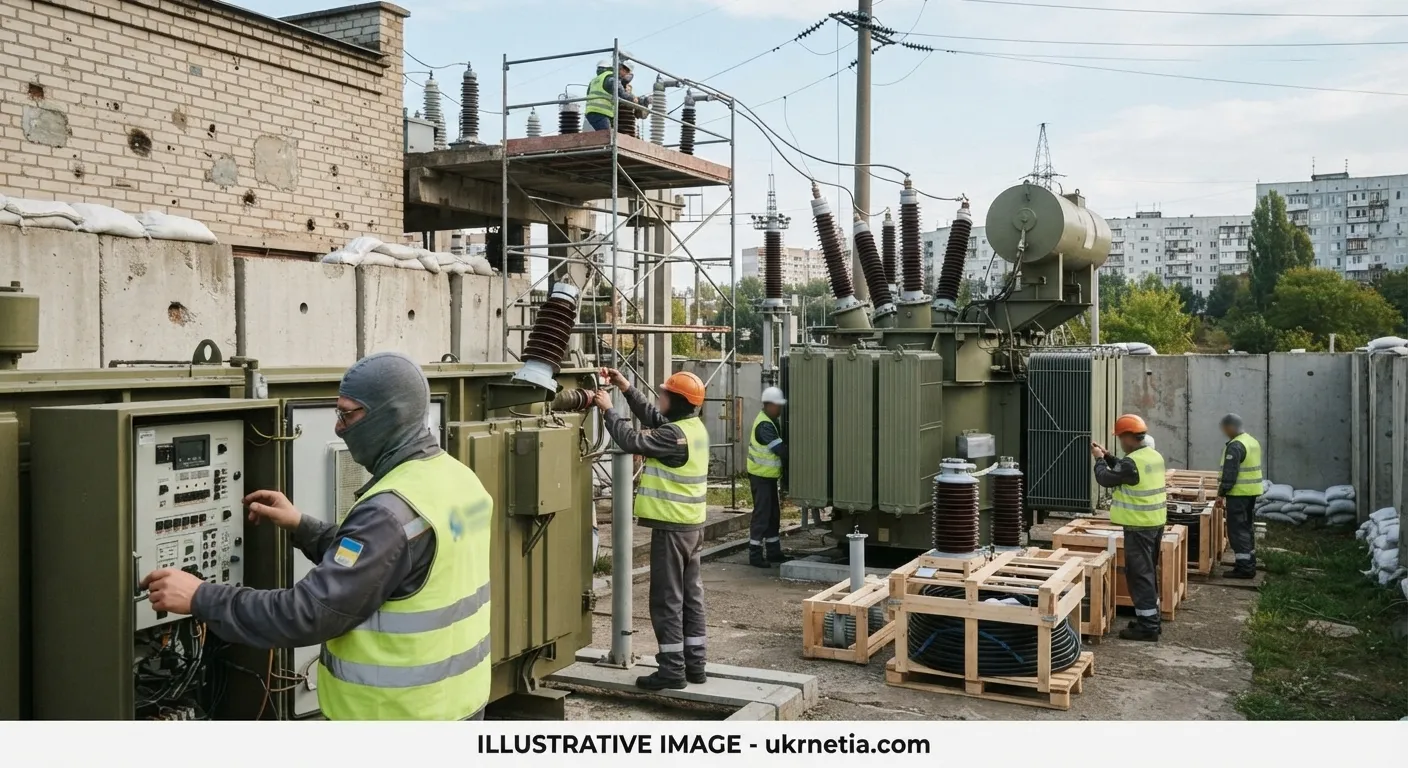
In early July, SBS units reported a series of attacks on electricity infrastructure in occupied Crimea and parts of southern and eastern Ukraine. Among the targets were high-voltage substations and other critical energy nodes that support the functioning of Russian-controlled infrastructure.
On one night alone, Ukrainian forces reported hitting multiple energy facilities in Crimea, including substations and a gas-related infrastructure facility. The strikes were described by Ukrainian officials as part of efforts to reduce Russia’s logistical capacity and complicate the supply of its military units.
Energy Infrastructure as a Battlefield
Modern warfare increasingly relies on infrastructure beyond traditional military targets. Power networks, communication systems, and transportation links play a crucial role in supporting military operations.
According to SBS statements, the strikes are designed not only to affect electricity supply but also to put pressure on systems that support Russian troops stationed in occupied territories. During the first ten days of July, Ukrainian officials reported that 60 energy facilities had been hit — including 51 sites in Crimea and occupied southern regions and nine in eastern Ukraine.
The reported targets included electricity substations in Crimea, the Saki thermal power plant, communication facilities, and other infrastructure connected to Russian military activity.
A Growing Role for Drone Warfare
The operations highlight the expanding role of unmanned systems in the Russia-Ukraine war. Ukrainian forces have increasingly used long-range drones to strike targets deep behind enemy lines, focusing on facilities that support military operations.
The SBS commander said that several Ukrainian drone units participated in the operations, including the 414th Separate SBS Brigade “Birds of Madyar,” the 412th Separate SBS Brigade Nemesis, the 20th Separate SBS Brigade “K-2,” and the 1st Separate Center of the Unmanned Systems Forces.
These units have become a key element of Ukraine’s strategy to challenge Russian military infrastructure beyond the immediate frontline.
Moscow Has Not Commented on Ukraine’s Claims
Russian authorities have not publicly confirmed the scale of the reported damage. Independent verification of the extent of destruction at individual facilities remains difficult due to limited access to occupied territories.
However, Ukrainian officials argue that continued strikes against energy infrastructure demonstrate the ability of Ukrainian drone forces to reach strategically important targets and create additional pressure on Russian military logistics.
The Strategic Impact
The reported attacks reflect a broader shift in the war: control of infrastructure has become as important as control of territory. By targeting energy networks, Ukraine seeks to reduce Russia’s ability to sustain military operations while demonstrating the growing effectiveness of unmanned warfare.
As the campaign continues, energy facilities in occupied territories remain a significant focus of Ukrainian strikes, turning power infrastructure into another front line of the ongoing conflict.