Why Air Defense Remains Ukraine’s Most Critical Military Need


KEY TAKEAWAYS
- Air defense remains Ukraine’s highest military priority as Russian missile attacks continue.
- Ballistic missiles require advanced interceptor systems such as Patriot to be effectively countered.
- Recent attacks have renewed international discussions about supplying additional interceptor missiles.
- Protecting civilians and critical infrastructure depends heavily on maintaining effective air defenses.
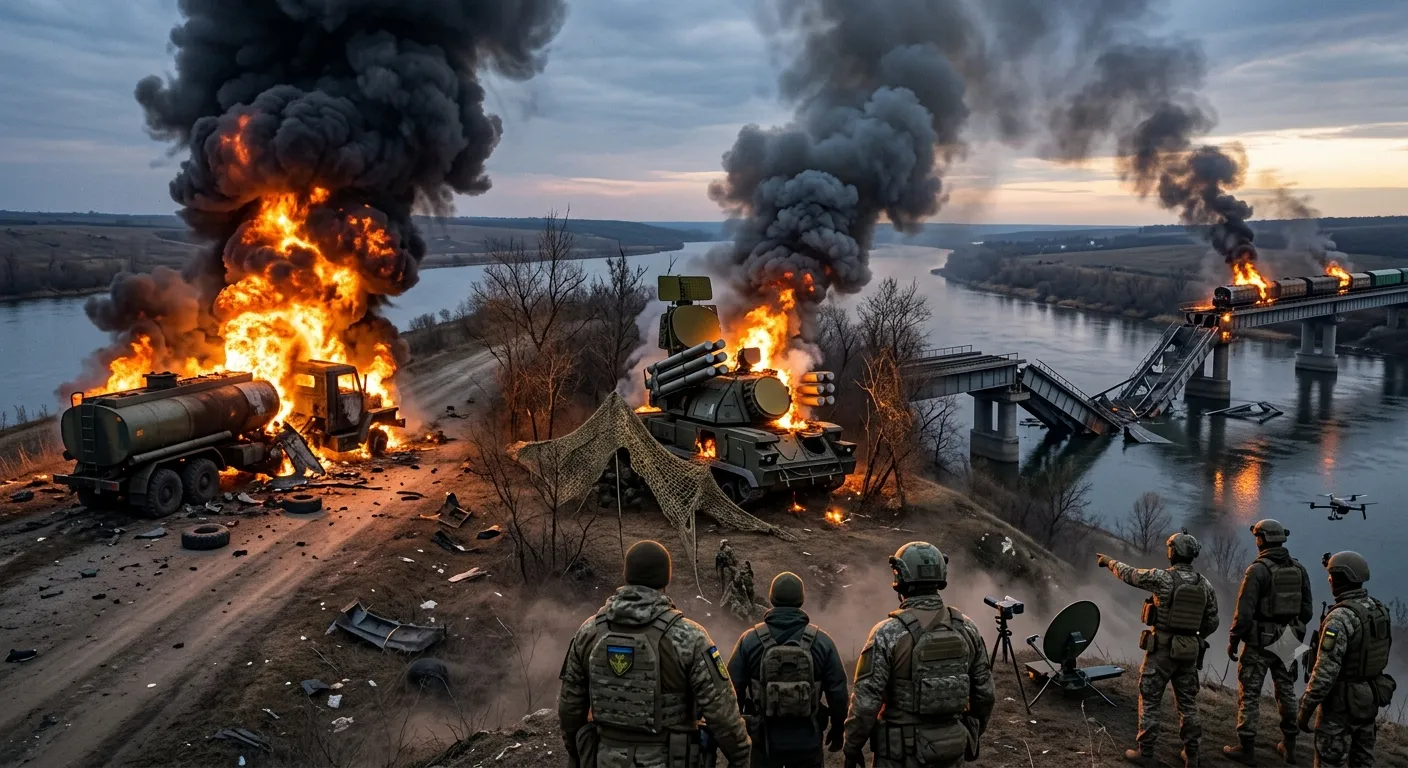
As Russia continues launching large-scale missile and drone attacks against Ukrainian cities, air defense has become one of the most decisive factors in protecting both civilians and critical infrastructure. Recent strikes have once again highlighted the growing demand for advanced interceptor systems capable of stopping ballistic missiles—one of the most difficult threats to defeat in modern warfare.
More Than Missiles in the Sky
Air defense is often associated with protecting military bases, but its role extends much further.
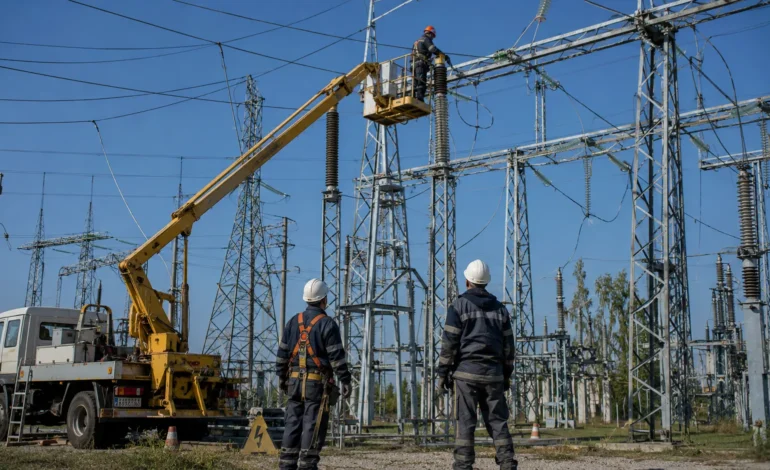
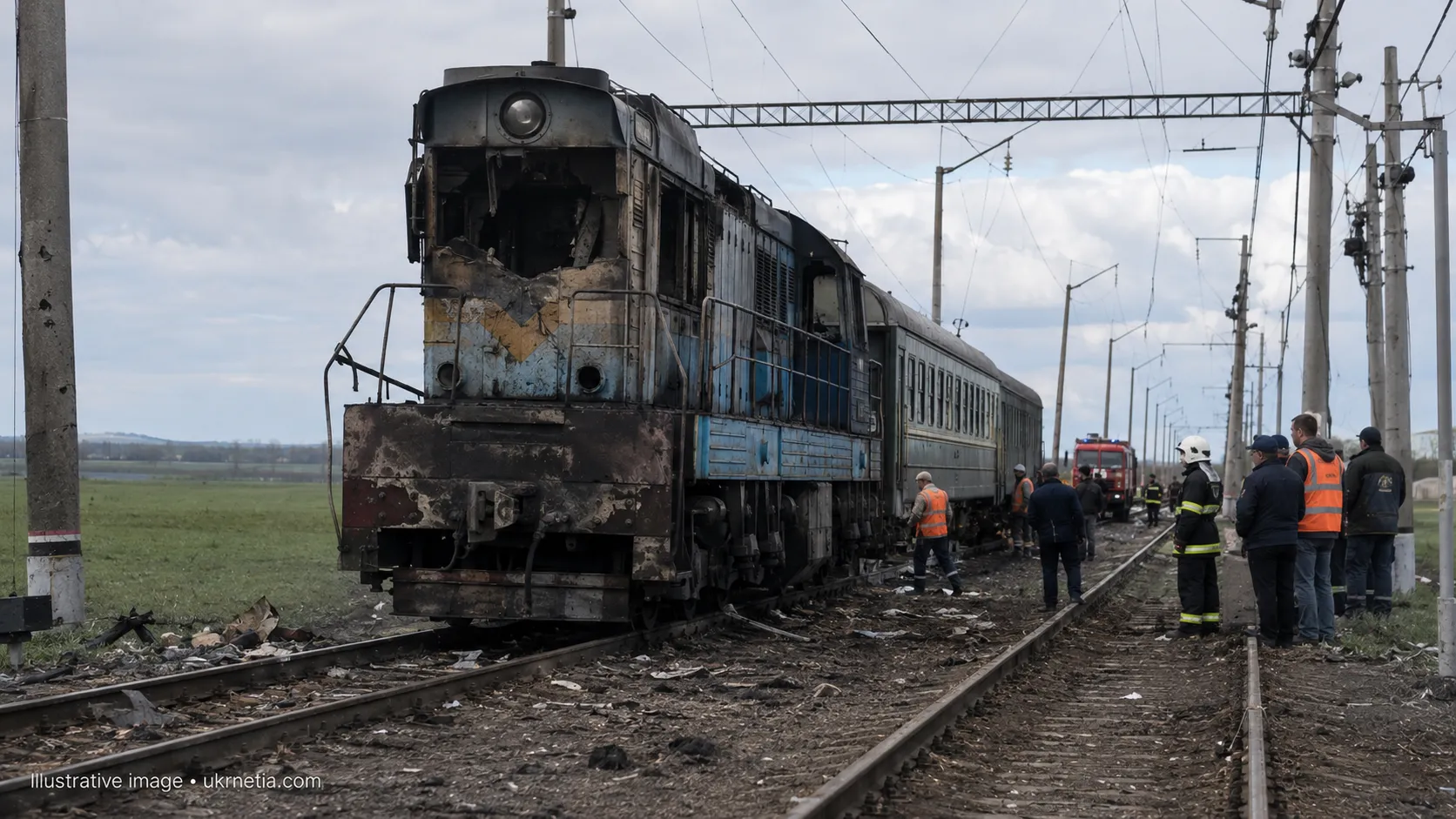
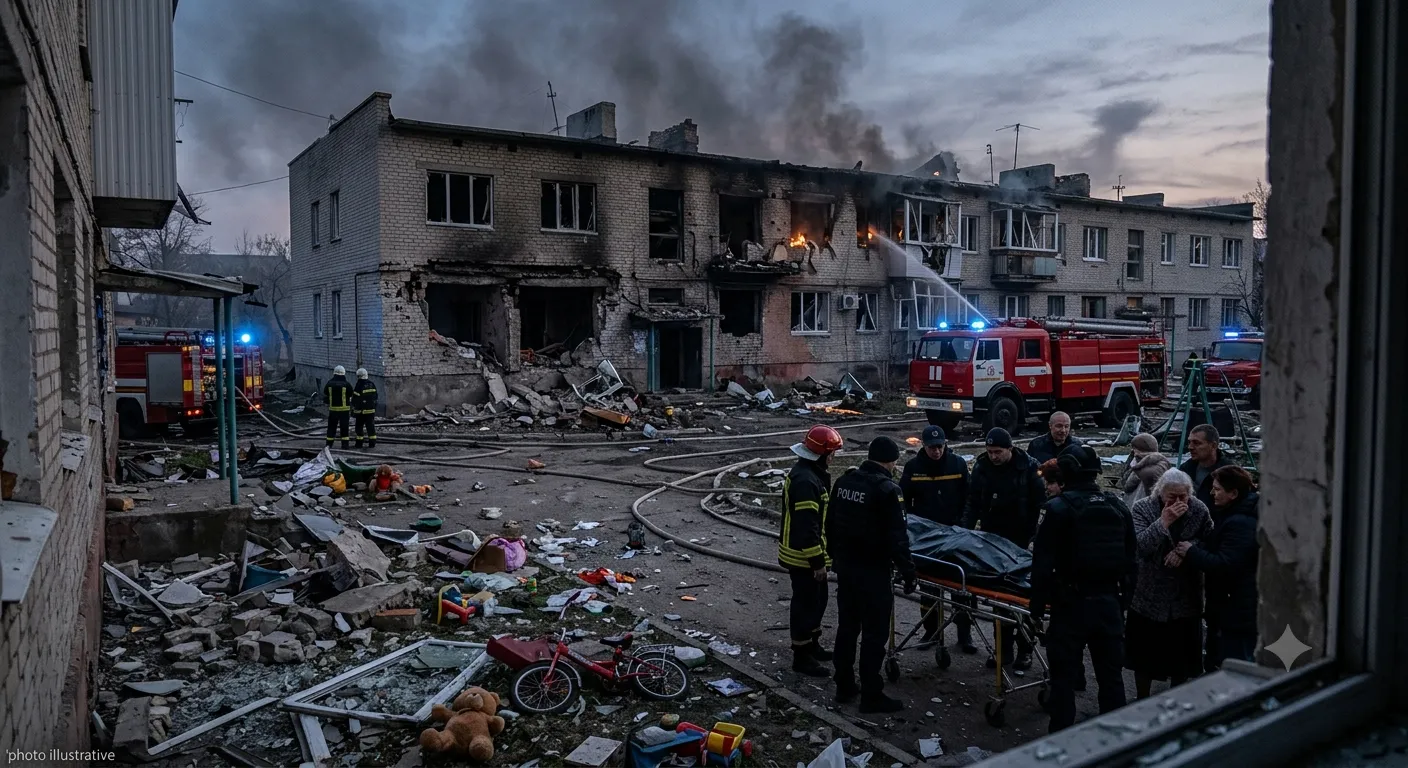
Modern air-defense systems protect apartment buildings, hospitals, schools, railway stations, power plants, communication networks, and industrial facilities. Every intercepted missile represents lives potentially saved and essential infrastructure kept operational.
In Ukraine, where major cities remain within range of long-range Russian weapons, air defense has become an integral part of everyday security rather than solely a military capability.
Why Ballistic Missiles Are Different
Not every aerial threat presents the same challenge.
Cruise missiles and attack drones generally fly at lower altitudes and slower speeds, allowing a wider range of defensive systems to engage them.
Ballistic missiles, however, travel at extremely high velocities and descend on steep trajectories, leaving only seconds for detection and interception.
Because of these characteristics, only a limited number of advanced systems—most notably the Patriot—are considered highly effective against this type of threat. Ukrainian officials have repeatedly stressed that shortages of interceptor missiles directly affect the country’s ability to defend its cities.
Air Defense Is Also Economic Protection
The value of air defense extends well beyond saving buildings.
When power stations, transport hubs, logistics centers, or communication infrastructure remain operational, businesses can continue functioning, hospitals remain open, and emergency services can respond more effectively.
Successful interception of incoming missiles reduces reconstruction costs while limiting disruptions to economic activity.
For this reason, economists increasingly view investments in air defense as an essential element of national resilience rather than purely military spending.
International Cooperation Remains Essential
Ukraine has developed significant domestic defense capabilities, but advanced air-defense systems continue to rely heavily on international cooperation.
Recent discussions among Ukraine and its partners have focused not only on supplying additional interceptor missiles but also on expanding production capacity and strengthening long-term support for integrated air-defense networks.
Defense experts note that maintaining an effective air-defense shield requires more than launchers alone. Continuous supplies of interceptor missiles, radar upgrades, maintenance, and trained personnel are equally important.
The Future of Air Defense
Military planners increasingly believe that future conflicts will involve even larger numbers of drones, cruise missiles, ballistic missiles, and other long-range precision weapons.
This means air-defense systems will continue evolving through improved radar technologies, artificial intelligence, integrated command networks, and new interceptor designs.
Ukraine’s experience is already influencing military planning across Europe, demonstrating that protecting cities from sustained aerial attacks has become one of the defining security challenges of the twenty-first century.
WHY IT MATTERS
Control of the skies is no longer only about military superiority—it is about protecting civilians, maintaining economic stability, and ensuring that essential public services continue functioning during conflict. Ukraine’s experience illustrates why modern air defense has become one of the most important components of national security for countries facing long-range missile threats.
WHAT’S NEXT?
Military analysts expect air defense to remain a central topic in discussions between Ukraine and its international partners. Alongside requests for additional interceptor missiles, future cooperation is likely to focus on expanding production, integrating European defense systems, and improving protection against increasingly sophisticated aerial threats.
RELATED TOPICS
- Air Defense
- Patriot Systems
- Missile Defense
- Civilian Protection
- Military Technology