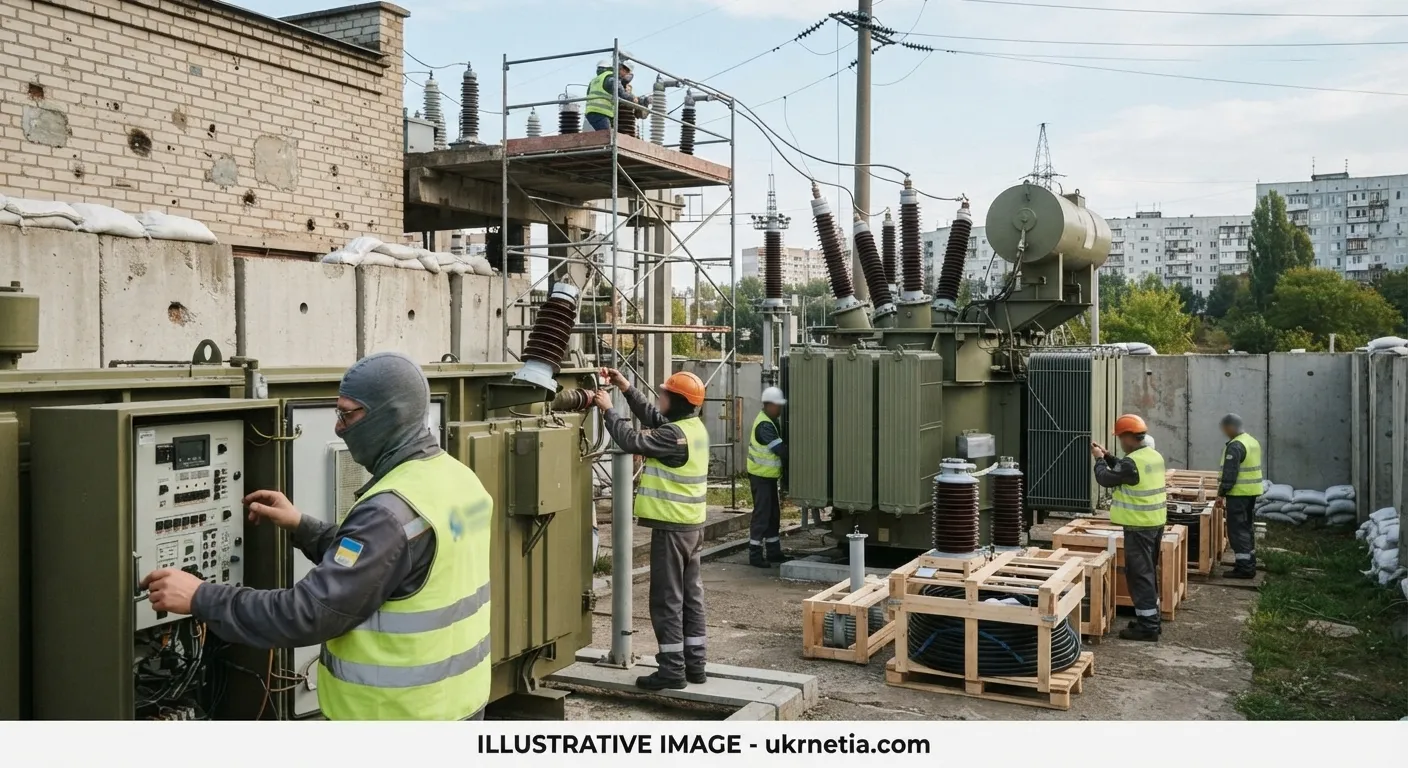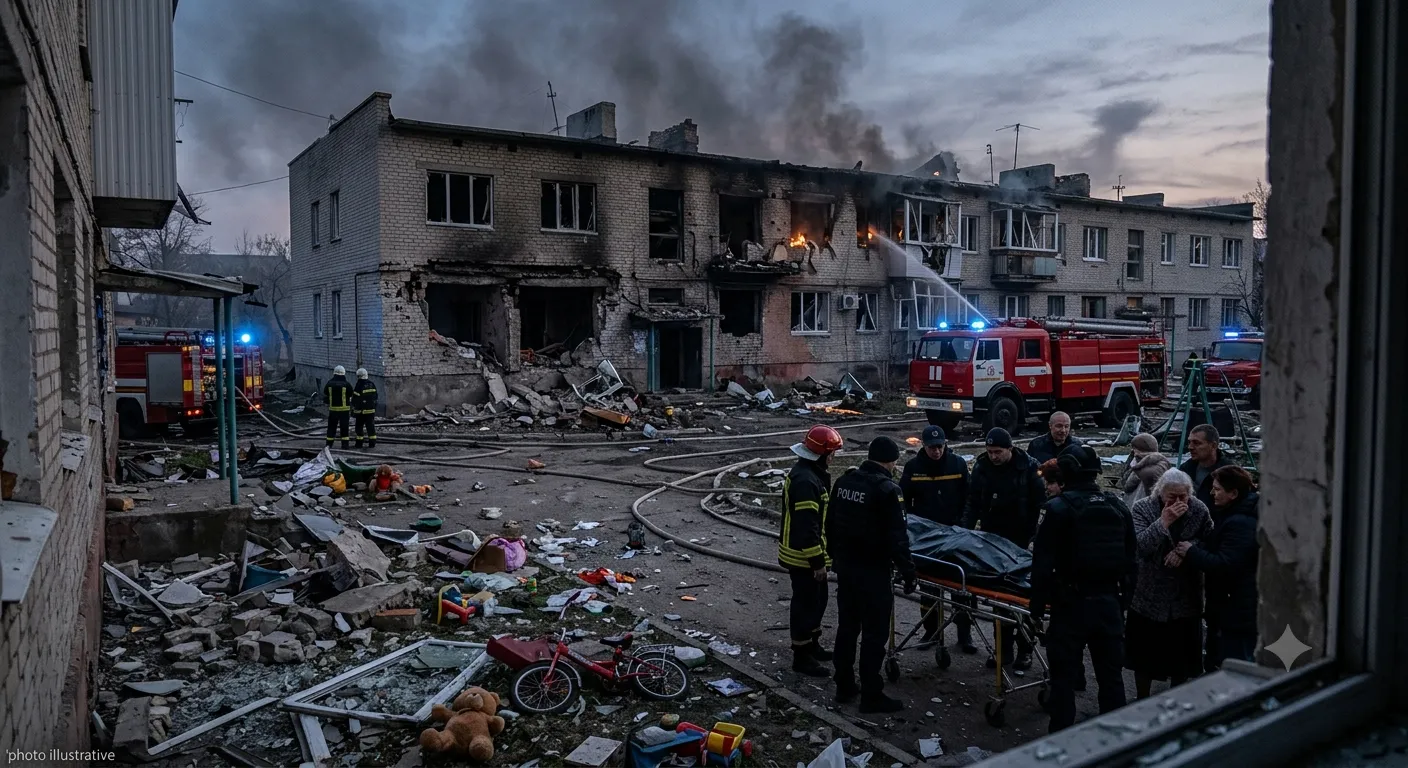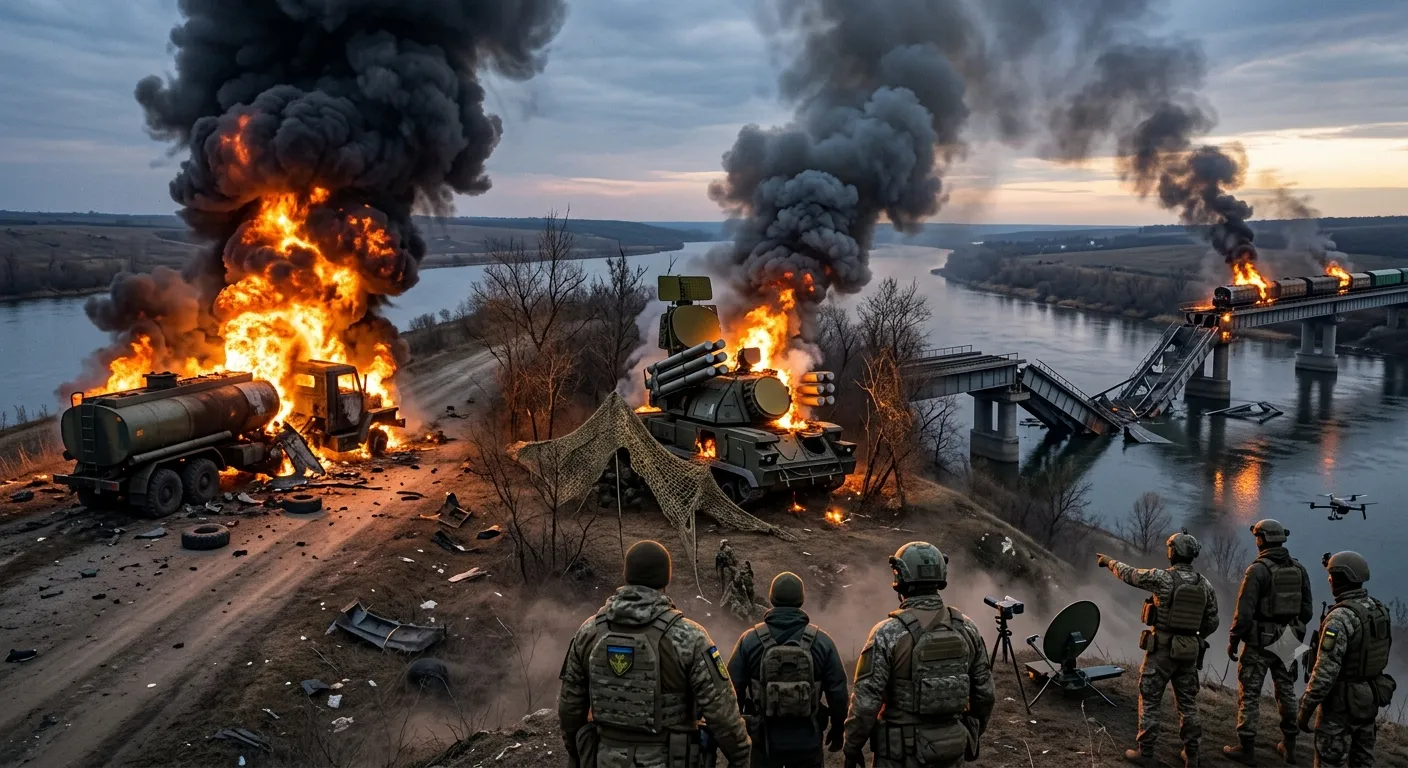
How Ukraine Keeps Critical Infrastructure Running Under Constant Attack

KEY TAKEAWAYS
- Ukraine continues maintaining essential infrastructure despite repeated missile and drone attacks.
- Engineers, utility workers, and emergency services play a vital role in restoring damaged systems.
- Energy, water, transport, and telecommunications remain key priorities during reconstruction and emergency response.
- Infrastructure resilience has become an important element of Ukraine’s national security strategy.
Modern wars are fought not only on the battlefield but also through attacks on the systems that keep everyday life functioning. Across Ukraine, engineers, emergency crews, and infrastructure operators work around the clock to maintain electricity, transport, communications, and water supplies despite continued missile and drone attacks. Their efforts have become an essential part of the country’s resilience during the war.
Infrastructure Is the Backbone of Daily Life
Every modern society depends on reliable infrastructure.
Electricity powers hospitals and factories. Water systems provide safe drinking water. Telecommunications keep emergency services connected, while transport networks allow people, food, fuel, and medical supplies to move across the country.
When these systems are disrupted, the effects extend far beyond the immediate area of an attack. Businesses slow down, public services face additional pressure, and local communities must adapt quickly to changing conditions.
For this reason, protecting infrastructure has become one of Ukraine’s highest operational priorities.
Rapid Repairs Reduce Long-Term Disruption
One of the defining characteristics of Ukraine’s response has been the speed with which damaged infrastructure is repaired.
Following missile or drone attacks, emergency teams assess damage, secure affected areas, and begin restoration work—often within hours.
Electricity providers, railway operators, telecommunications companies, municipal authorities, and emergency responders coordinate closely to restore essential services as quickly as possible.
This rapid response helps reduce economic losses while allowing communities to return to normal routines sooner.
Energy Security Requires Constant Adaptation
Ukraine’s energy sector has undergone significant changes since the beginning of the full-scale invasion.
Operators have strengthened physical protection, diversified energy generation, improved emergency procedures, and increased the flexibility of the national power system.
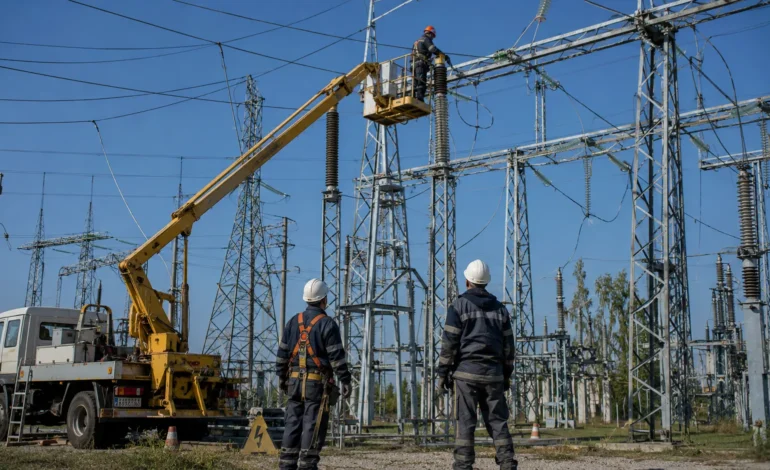
Engineers continuously monitor the network to redirect electricity where needed and minimize the impact of local disruptions.
Energy experts say resilience today depends not only on generating electricity but also on the ability to restore service quickly whenever damage occurs.
People Behind the Infrastructure
Behind every functioning railway, power line, or communications network are thousands of skilled professionals.
Engineers, technicians, electricians, railway workers, utility specialists, and emergency personnel often carry out repairs under difficult conditions to keep essential services operating.
Their work is rarely visible to the public, yet it directly affects millions of people every day.
Many infrastructure specialists describe resilience not as avoiding damage altogether but as restoring normal life as efficiently and safely as possible after each disruption.
Building Stronger Systems for the Future
Reconstruction efforts increasingly focus on creating infrastructure that is more resilient than before.
New projects incorporate modern engineering standards, digital monitoring technologies, improved redundancy, and stronger connections with European energy and transport networks.
Rather than simply replacing damaged facilities, planners are using reconstruction as an opportunity to modernize essential systems and improve long-term reliability.
These investments are expected to strengthen Ukraine’s economy and public services well beyond the end of the war.
WHY IT MATTERS
Critical infrastructure allows society to function. Reliable electricity, transport, communications, and water services support hospitals, schools, businesses, and households every day. Ukraine’s ability to maintain these systems despite repeated attacks demonstrates how resilience depends not only on military defense but also on the dedication of the people who keep essential services running.
WHAT’S NEXT?
Ukraine is expected to continue investing in resilient infrastructure, faster emergency response capabilities, and closer integration with European energy and transport systems. Future reconstruction projects are likely to prioritize smart technologies, network redundancy, and infrastructure designed to withstand future challenges while supporting long-term economic development.
RELATED TOPICS
- Critical Infrastructure
- Energy Security
- Emergency Response
- Reconstruction
- National Resilience