
There are things that are difficult to explain — not because the situation is complex, but because of the staggering refusal of some people to see what is plainly obvious. One such thing is the reaction of many Russians to the consequences of the war their own state started.
When your country launches a war of conquest against a neighboring nation that posed absolutely no real threat to it — this is not just “politics somewhere up top.” This is a crime. A crime with consequences. And a citizen of such a country cannot pretend it has nothing to do with them.
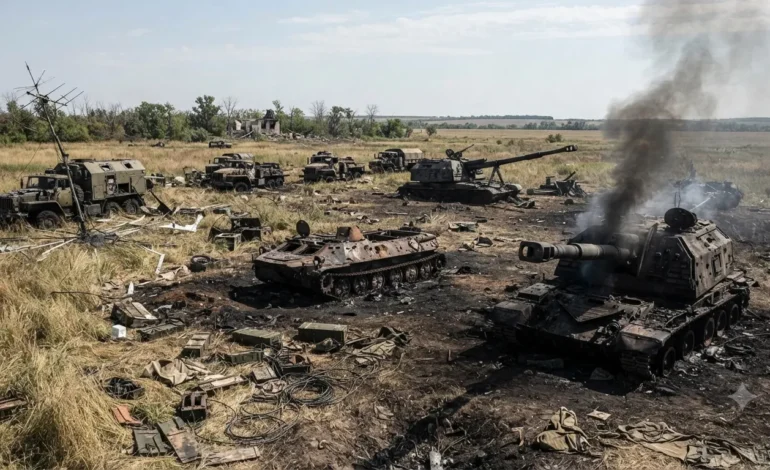
Russia attacked Ukraine — a country far smaller in territory and economic power. This was not a defensive war. It was not a response to an attack. It was a deliberate decision by Russian leadership to launch aggression, to obliterate cities, to murder people, and to shatter the lives of millions.
So what did a significant part of Russian society do?
Some openly celebrated the invasion. Social media flooded with mockery of Ukrainians, calls to “hold on” while Russia supposedly “conquered Ukraine” and everything would “fall into place.” Others simply chose the most comfortable position available — to squeeze their eyes shut. They pretended nothing was happening. That somewhere far away, rockets were falling, homes were burning, and people were dying — but their lives should not have to change.
It was the ostrich position: bury your head in the sand and convince yourself there is no danger.
But war doesn’t work that way.
The consequences of crimes do not vanish simply because someone has decided not to notice them.
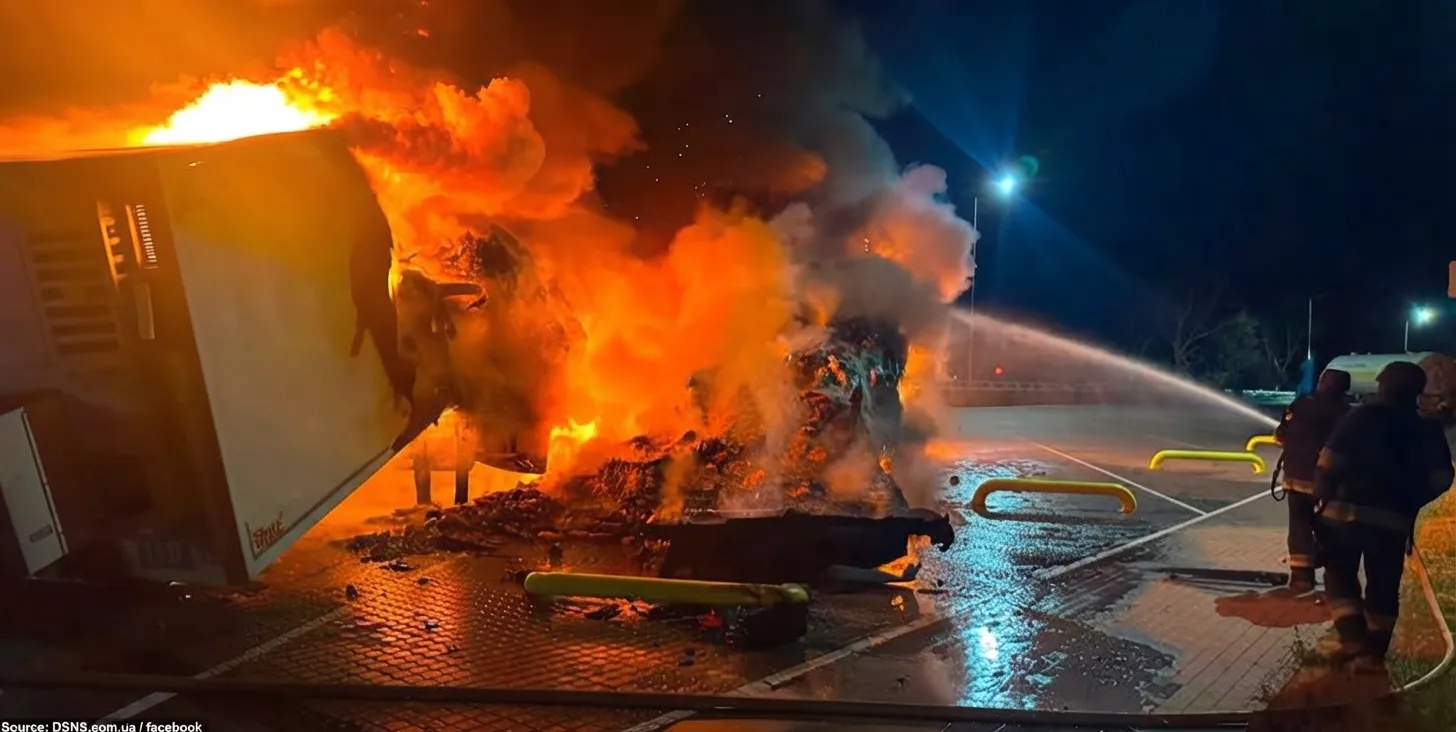
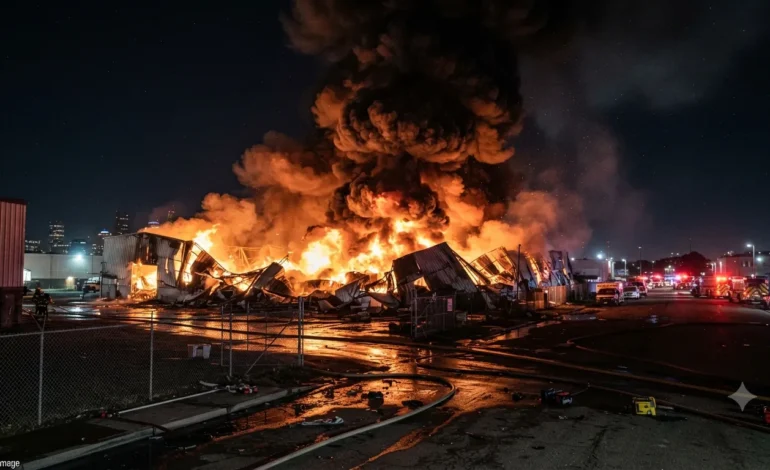
When Ukraine struck Russian infrastructure — including warehouses of the major Russian marketplace Wildberries, where enormous quantities of goods were destroyed — tearful videos began flooding social media with a single desperate question: “What for? Why us?”
And that question became the most perfect illustration of the entire problem.
“What for?”
For the war your state started.
For the rockets flying into Ukrainian cities.
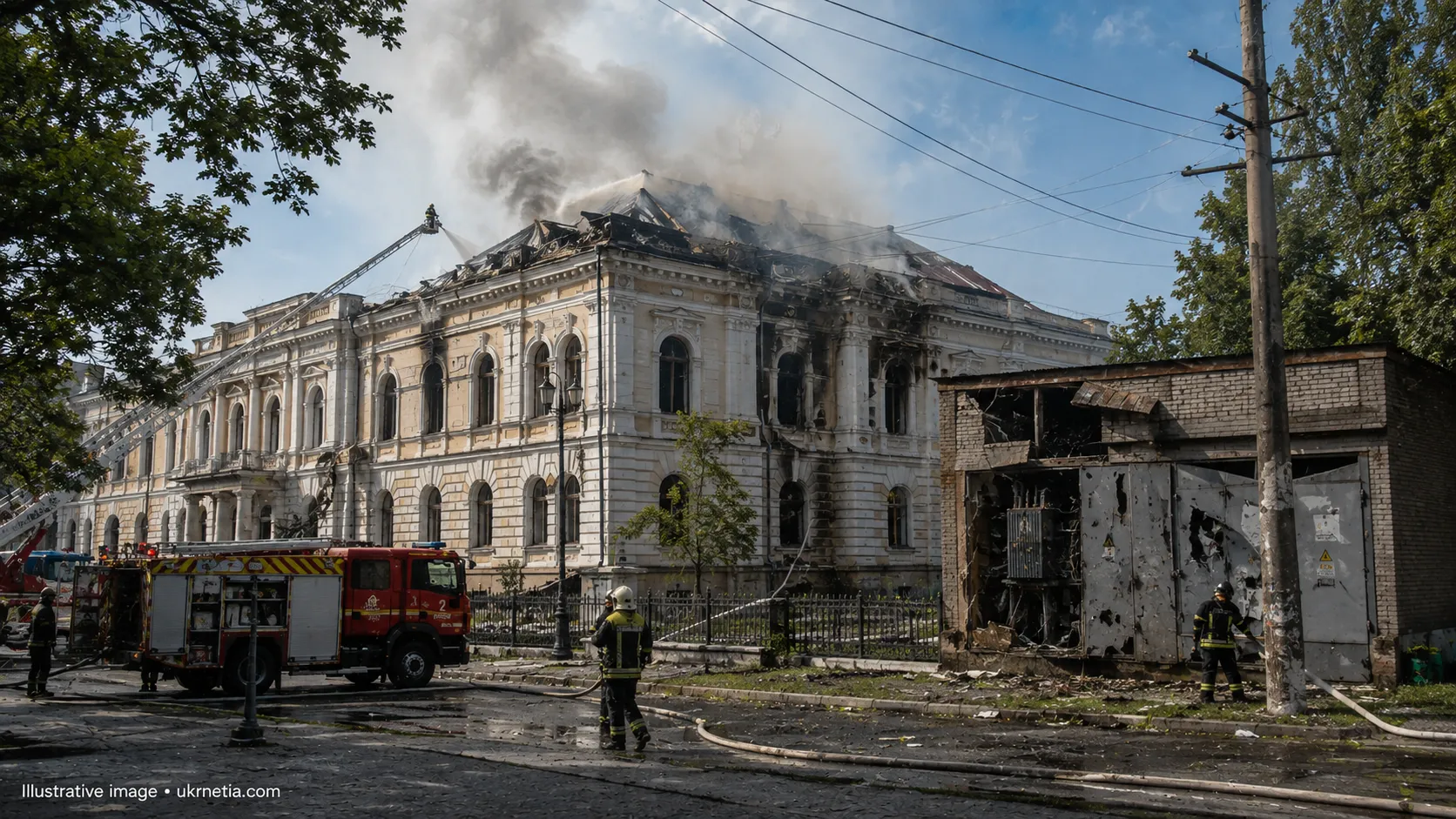
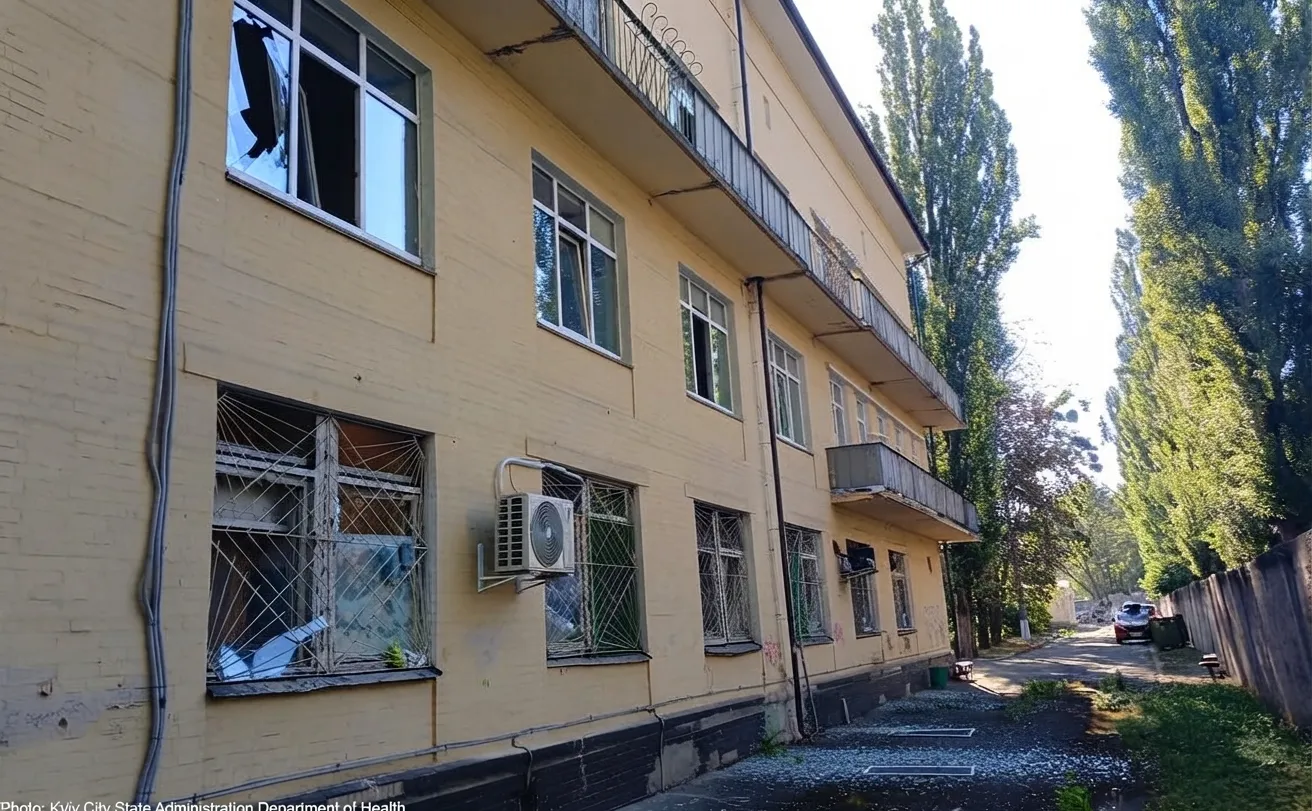
For the homes reduced to rubble.
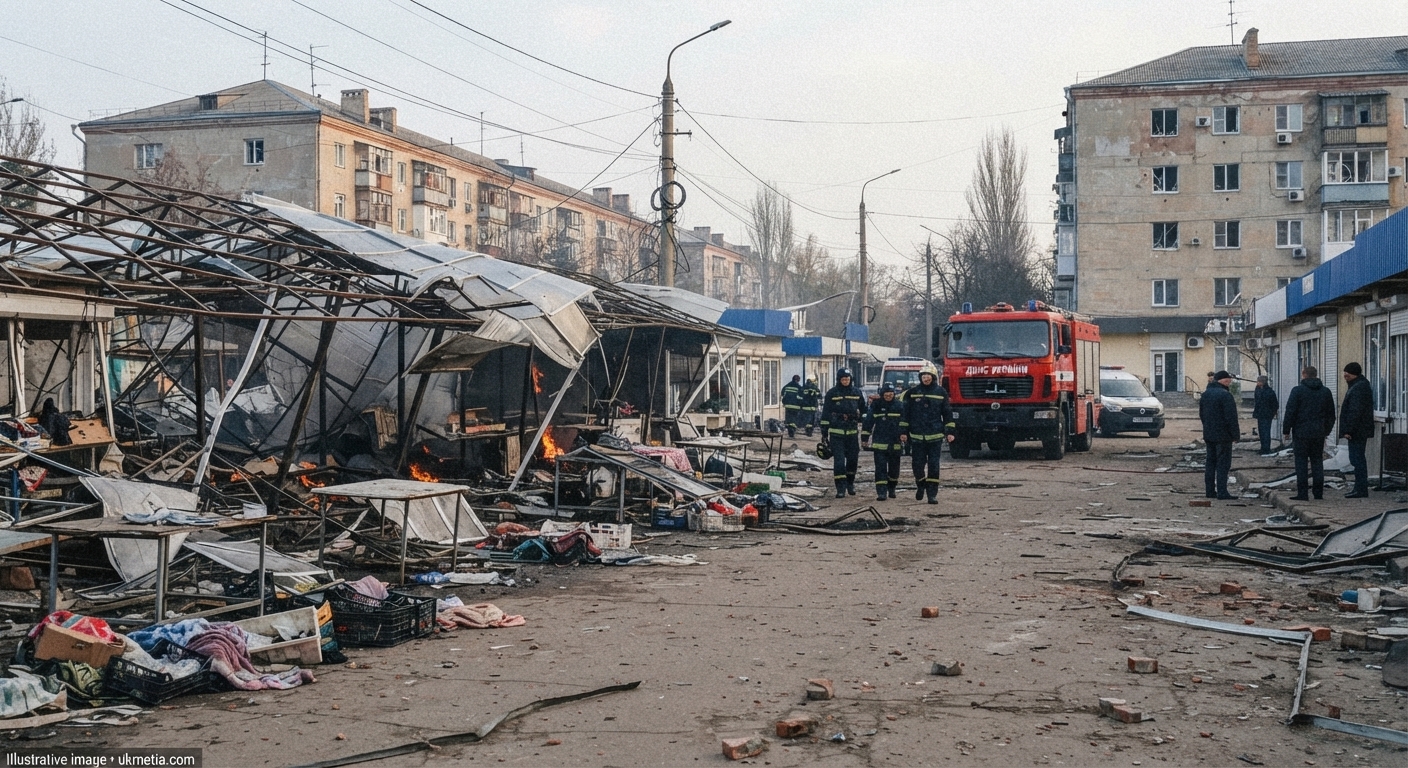
For the destroyed shopping centers, postal hubs, warehouses, energy facilities.
For the thousands upon thousands of people killed.
For the lives that will never, ever come back.
Russia has spent years behaving like a textbook aggressor — striking not just military targets but civilian infrastructure, manufacturing suffering for ordinary people. And when that war comes roaring back onto Russian soil, many suddenly look around in bewilderment and ask why.
But cause and effect doesn’t disappear because you refuse to look at it.
If your country is killing people in a neighboring nation, you cannot forever pretend it has nothing to do with you.
A citizen has a choice.
You can go out and protest.
You can publicly condemn what your government is doing.
You can leave the country if you refuse to live in a state waging a war of aggression.
You can refuse to participate in this crime.
You can at least look in the mirror and say honestly: “What my country is doing is wrong.”
But a significant part of Russian society chose silence. And part of it chose something even worse — support.
It’s like watching someone get brutally beaten on the street. You walk past. You don’t call the police. You don’t shout for help. You don’t try to stop it. You don’t care, because you’re holding a box with a cake and you’re in a hurry to get home.
And then a few days later, on that very same street, you are the one being attacked. And you scream: “Why?! Why is nobody helping me?!”
The answer is devastatingly simple: because indifference always has consequences. Because evil that nobody stops will, sooner or later, come for those who ignored it.
The majority of Russians did not stop Putin’s policies. On the contrary — many supported them, believed in the myth of Russian greatness and in their own impunity. By working, paying taxes, running businesses within that state, people were actively sustaining the system that funds the war — whether they admitted it or not.
Meanwhile, when Russian rockets were destroying Ukrainian warehouses and logistics facilities, most Russians remained utterly unmoved. These same people, mind you, who so loved to talk about “brotherly peoples.”
But when a retaliatory strike comes — suddenly there is outrage.
Why?
Because a person who spent years refusing to see someone else’s pain has suddenly discovered their own.
And it is particularly cynical when the targeted facilities may themselves be connected to military supply chains. If those channels were used to move components feeding the war machine, then this is no longer merely a question of lost merchandise. This is the reality of war — the very reality so many Russians have spent so long refusing to acknowledge.
The answer to “what for?” is simple: because your state started this war.
And this war will not end through hatred of Ukrainians. It will end only when Russians change their own relationship to what is happening. As long as Russia continues its policy of aggression, the consequences will only keep accumulating.
The economic transformation of Russia is already irreversible. Even if the war ended tomorrow, there is no going back to the old reality. Trust is gone. Reputation is destroyed. And the price of this aggression will be felt for decades.
But instead of turning to their own government and demanding to know how it brought their country to this catastrophe, many Russians choose to hate Ukraine for daring to resist.
That is the core of the problem — the absolute refusal to see the cause standing right in front of the effect.
You cannot spend years supporting a war and then act shocked when that war touches you.
You cannot revel in someone else’s pain and expect that your own pain will go unnoticed.
You cannot demand justice for yourself while ignoring the injustice your state has inflicted on others.
The reality is brutally, inescapably simple: war has a price. And sooner or later, every society that allows its government to start one will pay that price.
The only question is whether they will draw the right conclusions — or whether they will keep searching for someone to blame everywhere except in the mirror.