Crisis of efficiency or resource dilemma? Analyzing the protests and the “Domino effect” following the resignation of Mykhailo Fedorov

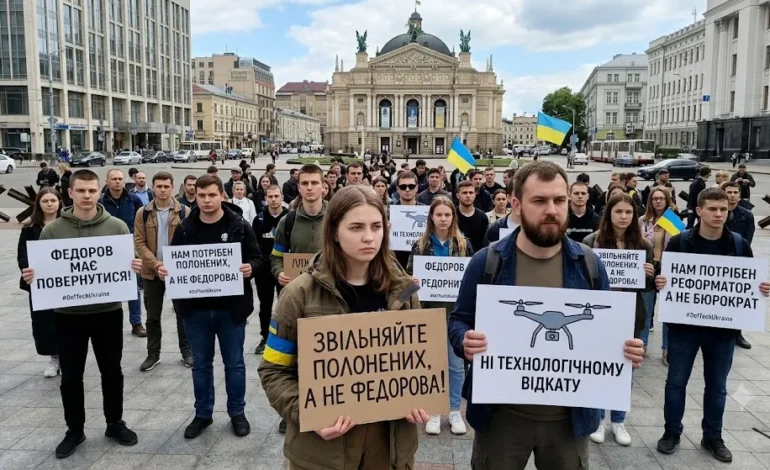
Kyiv — July 18, 2026. The Ukrainian political landscape has been shaken by the loudest personnel crisis since the beginning of the full-scale invasion. The resignation of Mykhailo Fedorov from the post of Minister of Defense—as part of a Cabinet reset and the formation of a new government led by Serhiy Koretskyi—has triggered massive public resonance. Despite martial law, street protests have erupted in Kyiv and a number of regional centers, while the Ukrainian media space and expert community have split into two irreconcilable camps.
What actually lies behind the dismissal of the defense ministry’s most media-savvy reformer, how YouTube opinion leaders are reacting, and what this confrontation could lead to—in this analytical piece.
Drones vs. Artillery: The Core of the Conflict
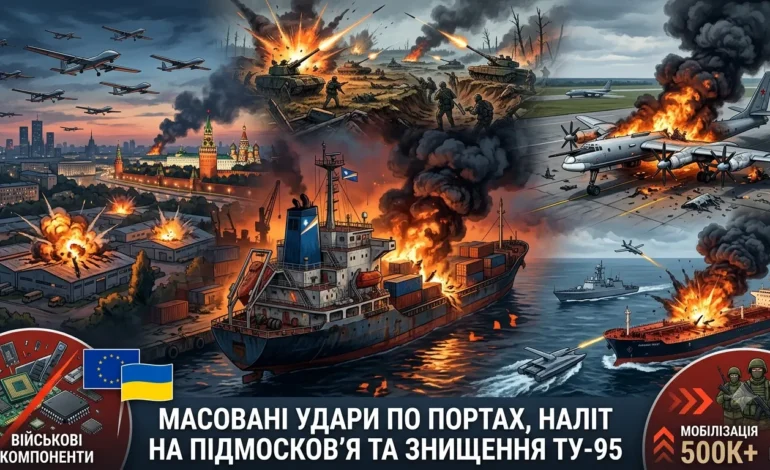
According to leading Ukrainian and foreign media, including The New York Times, Fedorov’s dismissal is rooted not in a political power struggle, but in a fundamental disagreement over the strategy of modern warfare.
-
Mykhailo Fedorov’s Position: The former minister bet heavily on total digitalization and technological breakthroughs, redirecting significant financial resources toward the procurement and production of UAVs. At his final briefing, Fedorov noted: “I need the position of Minister of Defense to win the war,” hinting that the old military bureaucracy was blocking his innovative initiatives.
-
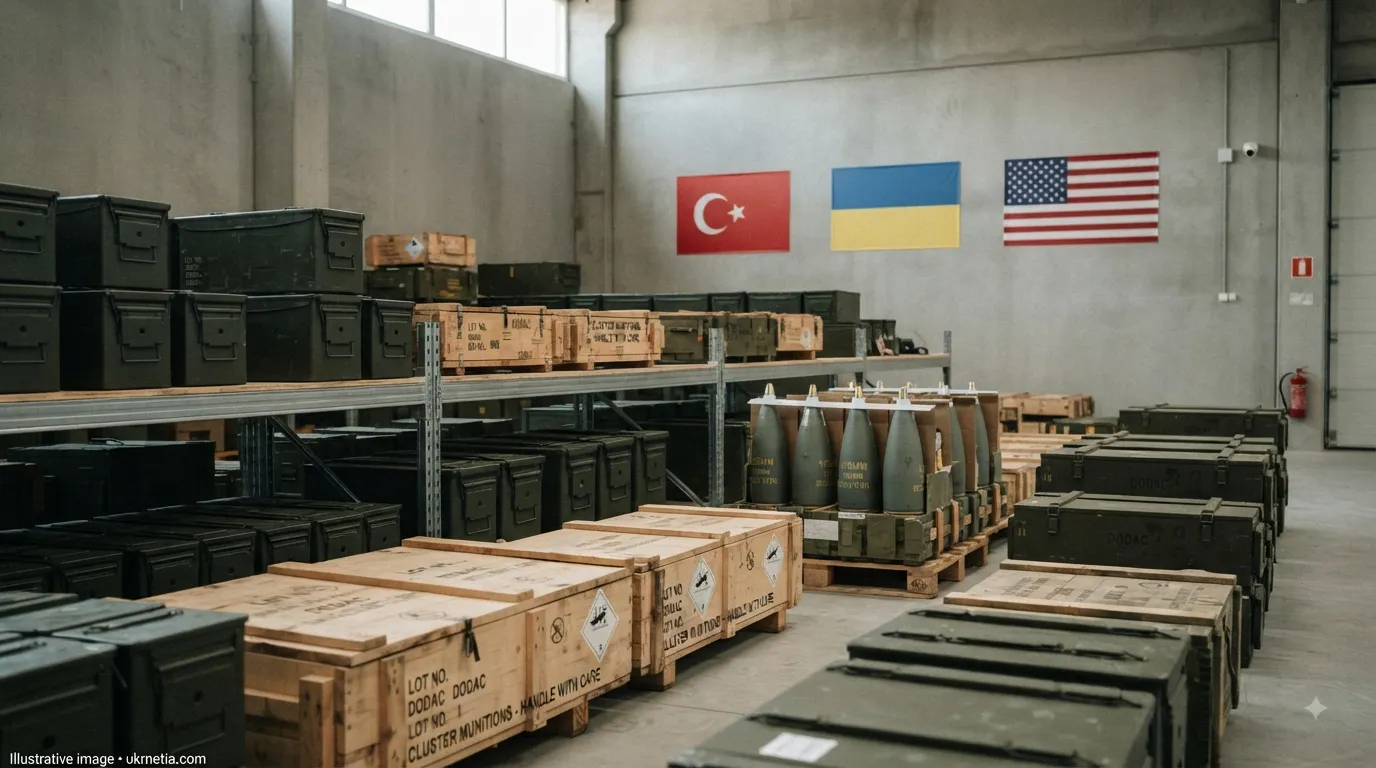
Position of Commander-in-Chief Oleksandr Syrskyi: General Syrskyi issued a strict ultimatum to the state’s top leadership. According to his logic, despite the undeniable importance of technology, classic artillery ammunition still holds decisive importance in the brutal positional battles in the east. Analysts suggest that Fedorov blocked a portion of artillery shell procurements in favor of unmanned systems, which became the point of no return.
President Volodymyr Zelenskyy, commenting on the situation during a press conference with British Prime Minister Keir Starmer, stated: “I would very much like unity. The sides did not find it.”
The “Cardboard Protest” and the Streets: The Geography of Dissent
News of the minister’s resignation instantly brought people to the streets. In Kyiv, the protest began as a peaceful “cardboard protest” in the square near the Ivan Franko Theater, directly below the Office of the President. However, within 24 hours, the rallies expanded to Dnipro, Cherkasy, Lutsk, and Mykolaiv.
Among the main slogans of the protesters: “No to unilateral decisions!”, “Release prisoners, not Fedorov!”, and “Strong army — strong Ukraine!”. The participants, predominantly representatives of the DefTech community, volunteers, and youth, argue that it was with Fedorov’s arrival that they felt hope for a technological breakthrough on the front lines.
In a sign of solidarity with the minister, key advisors and specialized military officials began stepping down. Concurrently, the Commander of the Joint Forces of the AFU, Mykhailo Drapatyi, openly backed Fedorov, stating that his team had made “a real attempt to change the rules by which the military system had lived for years.”
What Are Experts and Ukrainian YouTube Saying?
The opinions of analysts and political observers across Ukrainian information platforms and YouTube channels have diverged significantly.
Criticism of the Decision and Risks for the Military-Industrial Complex (MIC)
One camp of experts views this step as a serious systemic mistake. Military and analytical YouTube channels echo arguments that removing Fedorov deals a blow to the army’s innovative potential. Observers emphasize that during his six months in office, he managed to build a direct bridge between the IT sector and the front lines. Western analysts, quoted by Politico, also express fears that this change of course could slow down the integration of cutting-edge technologies into the AFU.
Accusations of Authoritarianism and Unfulfilled Promises
On the flip side, a number of political scientists and investigative journalists (notably on TSN and Radio NV broadcasts) point to the other side of the coin. Citing sources within government circles, observers note that Fedorov lacked flexibility in communicating with combat generals. He is accused of excessive authoritarianism and failing to deliver on a number of ambitious promises from the Government’s Program of Activity. As military experts put it: “Drones don’t hold a tree line when hundreds of KABs (guided aerial bombs) and artillery shells are flying there. A balance is needed, which the ministry failed to provide.”
What’s Next? Scenarios for Future Developments
Currently, the current head of the Ministry of Internal Affairs, Ihor Klymenko, is being named as the acting minister or probable successor, while Yevhen Khmara is also under consideration.
According to a poll conducted by Radio NV, the public is skeptical about the possibility of the minister’s return:
-
44.2% of respondents believe the protests will force the authorities to seek compromises, but Fedorov will not be reinstated.
-
39.7% are convinced that the situation will remain unchanged.
-
Only 16.1% believe that the rallies will achieve their goal, leading to Syrskyi’s resignation and Fedorov’s return.
Analytical Summary: This crisis has exposed the primary challenge for Ukraine in 2026—how to effectively combine the methods of classic, conventional war of attrition with the concept of high-tech “warfare of the future.” Whoever ends up leading the Ministry of Defense will have to find this balance under intense pressure from both the military command and a patriotic, tech-driven civil society.