Ukraine Could Strike Russia With Domestic Ballistic Missiles by End of 2026


KEY TAKEAWAYS
- Former Ukrainian Defense Minister Mykhailo Fedorov says Ukraine could gain the ability to strike targets in Russia with domestically produced ballistic missiles within three to six months.
- Fedorov said he expects Ukraine to launch a domestically produced ballistic missile toward Russia before the end of 2026.
- Ukraine’s ballistic missile program accelerated during Fedorov’s time as defense minister, according to his comments to CBS News.
- Ukraine has already reported a successful test of a domestically developed ballistic missile, although the testing program is not yet complete.
- The development is part of Ukraine’s broader effort to expand domestic long-range strike capabilities and reduce reliance on foreign-supplied weapons.
Ukraine could gain the ability to strike Russia with domestically produced ballistic missiles within the next three to six months, according to former Ukrainian Defense Minister Mykhailo Fedorov. In an interview with CBS News, Fedorov said he believes Ukraine could launch its own ballistic missile toward Russian territory before the end of 2026.
Fedorov Predicts Ballistic Missile Capability Within Months
Fedorov said Ukraine’s domestic ballistic missile program has advanced significantly and that the country could reach the capability to use such weapons operationally within three to six months.
He also expressed confidence that the first Ukrainian ballistic missile launch against a target in Russia could take place before the end of this year.
The former minister did not provide a precise date or disclose operational details of the planned capability.
Ukraine Has Already Tested a Domestic Ballistic Missile
The comments come shortly after Ukraine reported a successful test of a domestically developed ballistic missile.
In early August, Fedorov said the missile had successfully reached its target during testing. He noted that the testing program still needed to be completed before the system could move toward combat use.
Ukraine’s Ministry of Defence had previously identified the ballistic missile program as one of the major areas developed under Fedorov’s leadership. In a summary of his tenure, the ministry said a ballistic missile developed within its area of responsibility had been successfully tested and that the program had undergone significant technical changes.
A Major Shift in Ukraine’s Long-Range Strike Strategy
Ukraine has increasingly relied on domestically produced drones and cruise missiles to conduct long-range strikes against targets deep inside Russia.
Fedorov told CBS News that these systems have become an important part of Ukraine’s strategy, but ballistic missiles would represent another technological step in the country’s ability to conduct long-range operations.
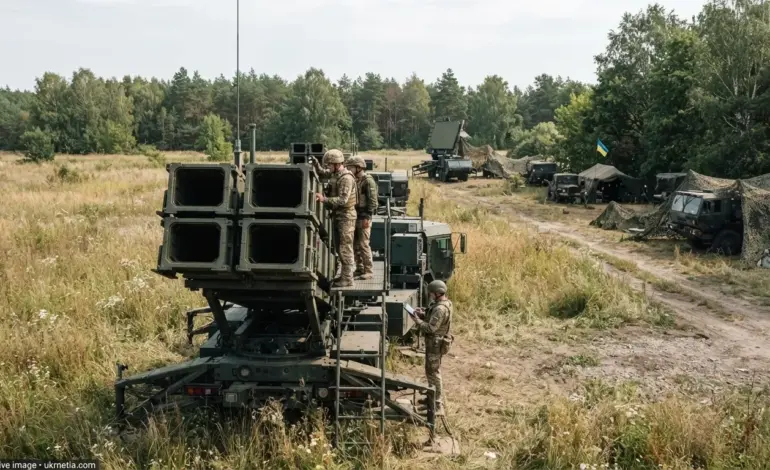
Ballistic missiles follow a different flight profile from most long-range drones and cruise missiles, potentially creating additional challenges for air-defense systems.
This is particularly relevant for Ukraine because Russia has extensively used ballistic missiles against Ukrainian cities and infrastructure throughout the full-scale war.
Domestic Production Is Becoming More Important
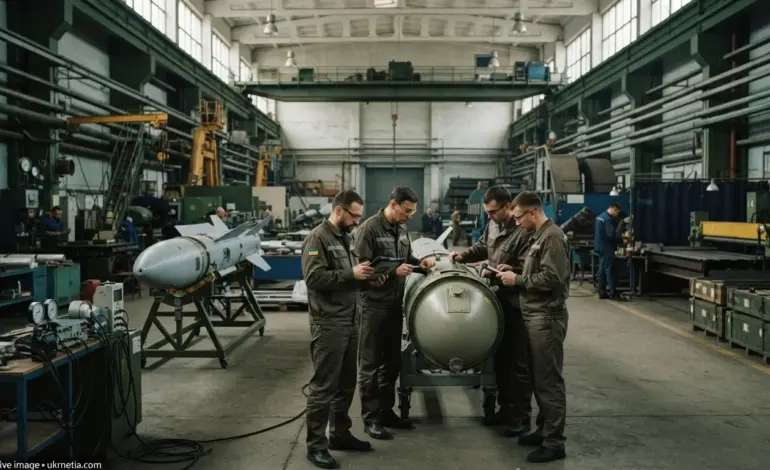
The development of ballistic missiles is part of a broader expansion of Ukraine’s domestic defense industry.
Ukraine has increasingly sought to produce more of its own weapons systems, including drones, missiles and other technologies, as the war has placed enormous demands on military supplies.
The Ministry of Defence has described domestic missile production and technological innovation as strategic priorities. In June, the ministry said funding for the development of Ukraine’s ballistic missile capabilities was among the areas being supported as part of the transformation of the Defence Forces.
This approach could give Ukraine greater control over the availability and production rate of long-range weapons.
Fedorov Says the Missile Program Accelerated
According to Fedorov, Ukraine’s ballistic missile program accelerated during his period as defense minister.
He argued that Ukraine needs to compete with Russia across different technological areas rather than allowing Moscow to maintain an advantage in missile and weapons development.
His comments reflect a broader Ukrainian strategy of using technological innovation to compensate for Russia’s larger industrial and military resources.
Ukraine has already demonstrated significant growth in domestic drone production, and officials have increasingly emphasized the need to apply similar approaches to missile technology.
The Program Is Not Yet Complete
Despite the optimistic timeline, the development of a ballistic missile capable of regular operational use is not the same as completing a successful test.
Fedorov himself previously said that the testing program was still underway following the reported successful test.
The final transition to operational deployment can depend on additional testing, production capacity, reliability and integration into Ukraine’s broader military systems.
For that reason, the three-to-six-month timeline should be understood as Fedorov’s assessment rather than a formally announced deployment schedule.
Why Ballistic Missiles Could Matter
The potential introduction of a Ukrainian-produced ballistic missile would represent an important development in the country’s long-range strike capabilities.
Ukraine has already demonstrated that it can reach targets hundreds of kilometers inside Russia using domestically produced systems. The addition of ballistic technology could expand the range of options available to Ukrainian forces.
It could also create greater uncertainty for Russian military planners, particularly if Ukraine is able to produce such systems at scale.
Russia Is Also Expanding Its Missile Capabilities
The development is taking place against a backdrop of continued Russian investment in missile and drone production.
Russia has repeatedly used ballistic missiles against Ukrainian cities, while Ukraine’s air defenses have faced difficulties intercepting some of these weapons.
Ukraine’s Ministry of Defence has described ballistic missiles as one of the country’s most difficult air-defense challenges and has repeatedly called for additional capabilities to counter them.
Developing its own ballistic weapons therefore has both offensive and strategic significance for Kyiv.
A New Stage for Ukraine’s Defense Industry
The potential deployment of a Ukrainian ballistic missile would represent another stage in the transformation of the country’s defense industry.
Instead of relying exclusively on imported long-range weapons, Ukraine is seeking to develop an increasingly independent technological base capable of producing sophisticated systems domestically.
The strategy also reflects lessons learned during the war, when rapid development cycles and mass production of relatively inexpensive weapons have become increasingly important.
What Happens Next
The immediate priority for Ukraine’s ballistic missile program remains completing testing and moving toward reliable production.
Fedorov’s prediction suggests that Kyiv believes this transition could happen within months rather than years.
However, the exact timing will depend on the completion of testing and the ability of Ukrainian manufacturers and defense institutions to scale the program.
If the forecast is realized, Ukraine could enter 2027 with a significantly expanded domestic long-range strike capability.
Ukraine’s development of a domestic ballistic missile marks another major step in the country’s effort to build an increasingly independent defense industry. If Fedorov’s forecast is correct, Ukraine could have the ability to use domestically produced ballistic missiles against targets in Russia before the end of 2026, adding a new capability to its growing long-range arsenal.