Ukraine Appoints Yurii Pohribnyi as New Commander of Logistics Forces



KEY TAKEAWAYS
- Yurii Pohribnyi has been appointed the new commander of the Logistics Forces of the Armed Forces of Ukraine.
- President Volodymyr Zelenskyy dismissed Major General Volodymyr Karpenko and appointed Pohribnyi under presidential decree No. 731/2026.
- Pohribnyi had already served as acting commander of the Logistics Forces since late July.
- The 41-year-old officer has extensive experience in weapons, equipment maintenance and military logistics, including service with the 55th and 58th brigades and command of a repair and recovery regiment.
- His previous work included efforts to modernize and automate military transportation and logistics systems, including a Transportation Management System based on SAP technology.
Ukraine has appointed a new commander of the Logistics Forces as President Volodymyr Zelenskyy formally changed the leadership of the military structure responsible for the supply, transportation, maintenance and technical support of the Armed Forces.
Yurii Pohribnyi replaces Major General Volodymyr Karpenko, who had served as commander of the Logistics Forces since February 2024. Zelenskyy’s decision was formalized by presidential decrees No. 730/2026 and No. 731/2026 on August 17.
Yurii Pohribnyi Becomes Commander
President Volodymyr Zelenskyy appointed Yurii Pohribnyi commander of the Logistics Forces of the Armed Forces of Ukraine on August 17.
The presidential decree states that Pohribnyi is appointed to lead the Logistics Forces, while a separate decree formally removed Volodymyr Karpenko from the position.
The appointment makes permanent a change that had already taken place at the end of July. Pohribnyi had been serving as acting commander after Ukraine’s military leadership underwent a series of personnel changes.
An Officer With Extensive Military Experience
Pohribnyi is 41 years old and was born in Ukraine’s Sumy region.
He graduated from the Sumy Military Institute of Rocket Forces and Artillery in 2007 and began his career in the 55th Separate Artillery Brigade. He progressed from platoon commander to deputy division commander responsible for armament.
His early career gave him direct experience with military equipment and artillery systems, areas that later became central to his work in logistics.
In 2016, Pohribnyi became deputy commander of the 58th Separate Motorized Infantry Brigade responsible for armament. In 2020, he took command of the 532nd Separate Repair and Recovery Regiment, which provided technical support and equipment maintenance for Ukrainian forces operating in the Kharkiv, Donetsk and Zaporizhzhia directions.
From Equipment Maintenance to Military Logistics
Pohribnyi’s career has increasingly focused on the logistical side of military operations.
In 2024, he was appointed head of armament and deputy head for logistics of Operational Command East. This followed years of experience dealing with the maintenance, repair and supply of military equipment.
His background is significant because military logistics is not limited to transporting supplies. It also involves ensuring that vehicles, weapons systems and other equipment remain operational and can be repaired and returned to units as quickly as possible.
That experience now places him in charge of the broader Logistics Forces of the Ukrainian Armed Forces.
A Focus on Modernizing Military Logistics
Pohribnyi has also been involved in efforts to modernize Ukraine’s military logistics through digital technology.
In May 2025, the Ministry of Defence and the Ukrainian Ground Forces launched a pilot project to introduce a Transportation Management System based on SAP technology. Pohribnyi, then serving as logistics commander of the Ground Forces, presented the initiative as part of a broader transformation of military logistics.
The system was designed to automate transportation operations, improve the use of military vehicles and reduce the time required to move military cargo.
According to the Ministry of Defence, preliminary estimates suggested that the system could significantly reduce delivery times and cut fuel consumption by around 15 percent.
Why Military Logistics Matters
The Logistics Forces perform one of the least visible but most important functions within Ukraine’s military structure.
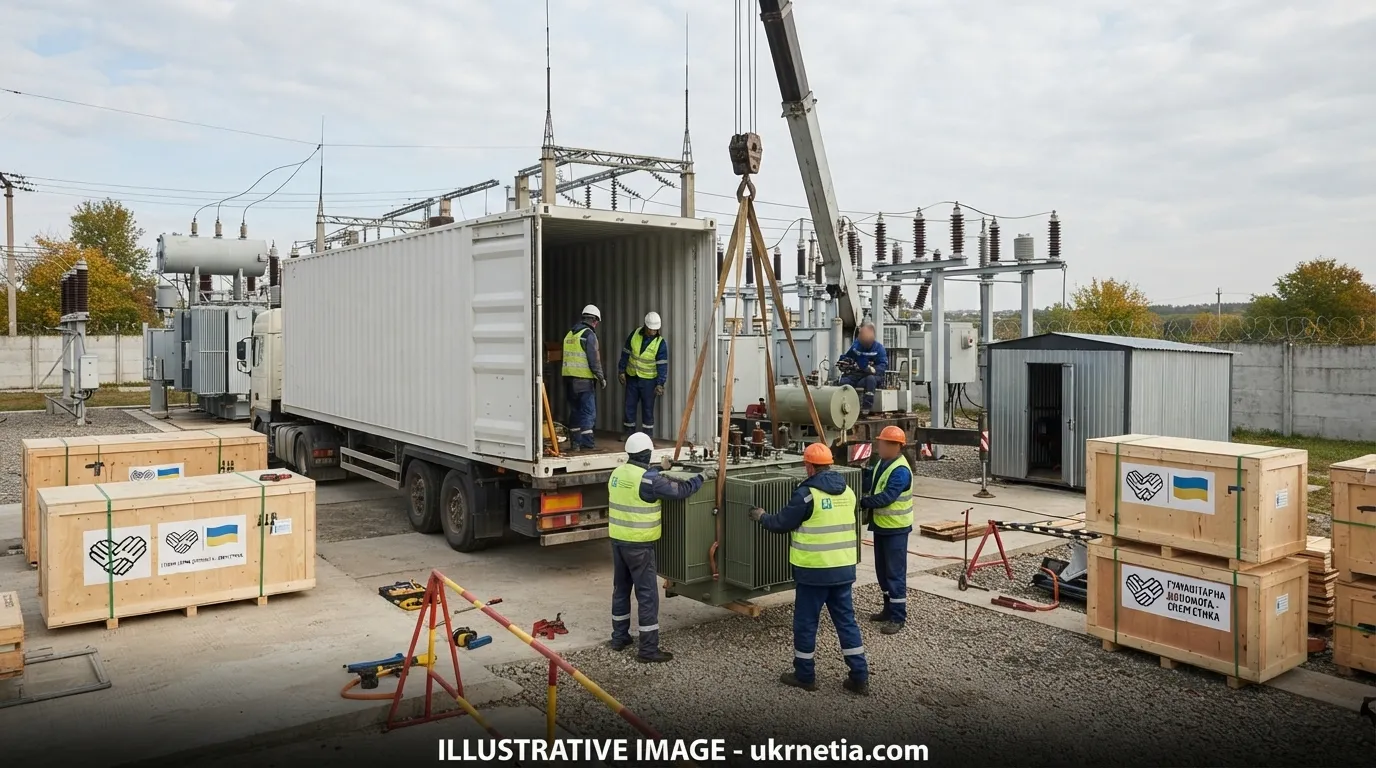
Their responsibilities include transportation, supply, maintenance, repair and other forms of logistical support required by military units.
During a prolonged war, the effectiveness of these systems can directly affect how quickly equipment, fuel, spare parts and other essential resources reach units.
A logistics system therefore has to operate not only efficiently but also under wartime conditions, when infrastructure, transportation routes and supply facilities can be exposed to Russian attacks.
A Leadership Change After Acting Command
Pohribnyi’s appointment also completes a leadership transition that began in late July.
At that time, he was appointed acting commander of the Logistics Forces following a decision by newly appointed Commander-in-Chief Mykhailo Drapatyi. At the time, there was no presidential decree formally confirming the permanent appointment.
The August 17 presidential decree now formally establishes Pohribnyi as commander.
This gives him a permanent mandate to lead the structure responsible for logistics across the Ukrainian Armed Forces.
Digitalization Could Remain a Priority
Pohribnyi’s previous work suggests that digitalization and greater efficiency may remain important areas under his command.
The Transportation Management System project was intended to move military transportation away from fragmented processes toward a more coordinated digital system.
The Ministry of Defence said the pilot could eventually be expanded across the transportation logistics system of the Ground Forces and other branches of the military.
For Ukraine, such modernization is particularly important because military logistics has to handle increasingly complex supply networks involving domestic production, foreign military assistance, repairs and transportation across a country at war.
What the New Commander Brings to the Role
Pohribnyi brings a combination of frontline military experience, technical knowledge and senior logistics management.
He has worked with artillery units, weapons management, equipment repair and operational logistics before moving into senior command positions.
His career therefore reflects a gradual transition from managing individual military systems toward managing the wider infrastructure needed to keep Ukrainian forces supplied and operational.
The new appointment puts that experience at the center of Ukraine’s military logistics system.
A Demanding Task Ahead
The new commander takes over the Logistics Forces during a period when Ukraine continues to adapt its military supply system to the demands of a prolonged war.
The challenge is not simply delivering supplies. Logistics commanders must coordinate transportation, maintenance, repairs, fuel, equipment and other resources while improving the speed and reliability of the entire system.
Pohribnyi’s previous involvement in digital logistics projects suggests that technological modernization could remain part of this effort.
At the same time, his experience with military equipment and repair gives him a background directly connected to the practical problems faced by Ukrainian units.
Ukraine’s Logistics System Continues to Evolve
The appointment of Yurii Pohribnyi represents another step in the ongoing transformation of Ukraine’s military command and logistics structures.
His promotion from acting commander to permanent commander comes after years of increasingly senior responsibilities in weapons management, equipment maintenance and logistics.
For the Ukrainian military, the effectiveness of the Logistics Forces will remain closely tied to its ability to maintain equipment, move resources quickly and keep frontline units supplied.
Ukraine’s appointment of Yurii Pohribnyi gives the Logistics Forces a commander with extensive experience in military equipment, repair and logistics. His previous work on digitalizing transportation systems could become an important part of Ukraine’s continued effort to make military logistics faster, more efficient and better adapted to modern warfare.