Light through the darkness: why cultural life in Ukraine during the war is a means of survival, not a “Feast in a time of plague”

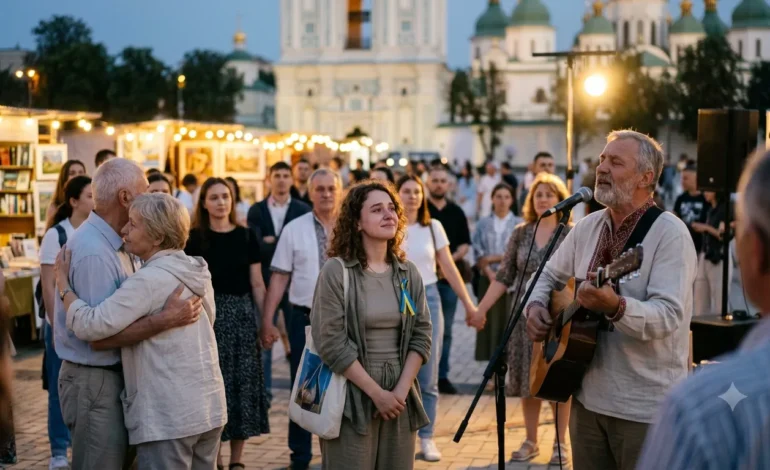
In the fourth year of the full-scale invasion, Ukrainian society has confronted a silent but highly dangerous adversary: chronic psychological exhaustion. Daily news of missile strikes, frontline casualties, and air raid sirens burn through internal reserves. Yet, walking through the evening streets of Kyiv, Odesa, or Lviv reveals a paradoxical scene: packed book festivals, lines outside theaters, and vibrant charity concerts.
Discussions spark periodically within society: is culture appropriate when fierce battles are raging just a few hundred kilometers away? Journalistic investigation and analysis of public sentiment prove one thing—it is impossible to live solely by the war. Today, cultural events have become that essential breath of fresh air, allowing Ukrainians to see the light at the end of the tunnel.
The Trap of Chronic Exhaustion: Why You Cannot Live “Only for the Front Line”
Psychologists unanimously point out that the human psyche is not designed to remain in a “fight or flight” mode for years. Constant stress leads to emotional numbness, depression, and a loss of purpose in the struggle. The enemy aims not only to capture territory but also to break Ukrainians’ will to live, turning their daily existence into a continuous anticipation of catastrophe.
“If we completely abandon culture, creativity, joy, and connection, we will lose the war within ourselves before it even ends on the battlefield,” shares military psychologist Oleksandr Koval. “The warriors on the front line are fighting precisely so that civilian life can continue, so that Ukrainian cities can live, and children can go to theaters. Cultural regeneration is our psychological shield.”
People cannot focus on destruction 24/7. They need a space to heal, and art steps in to fulfill this exact therapeutic function.
Cultural Detox: From “Book Arsenal” to Major Live Shows
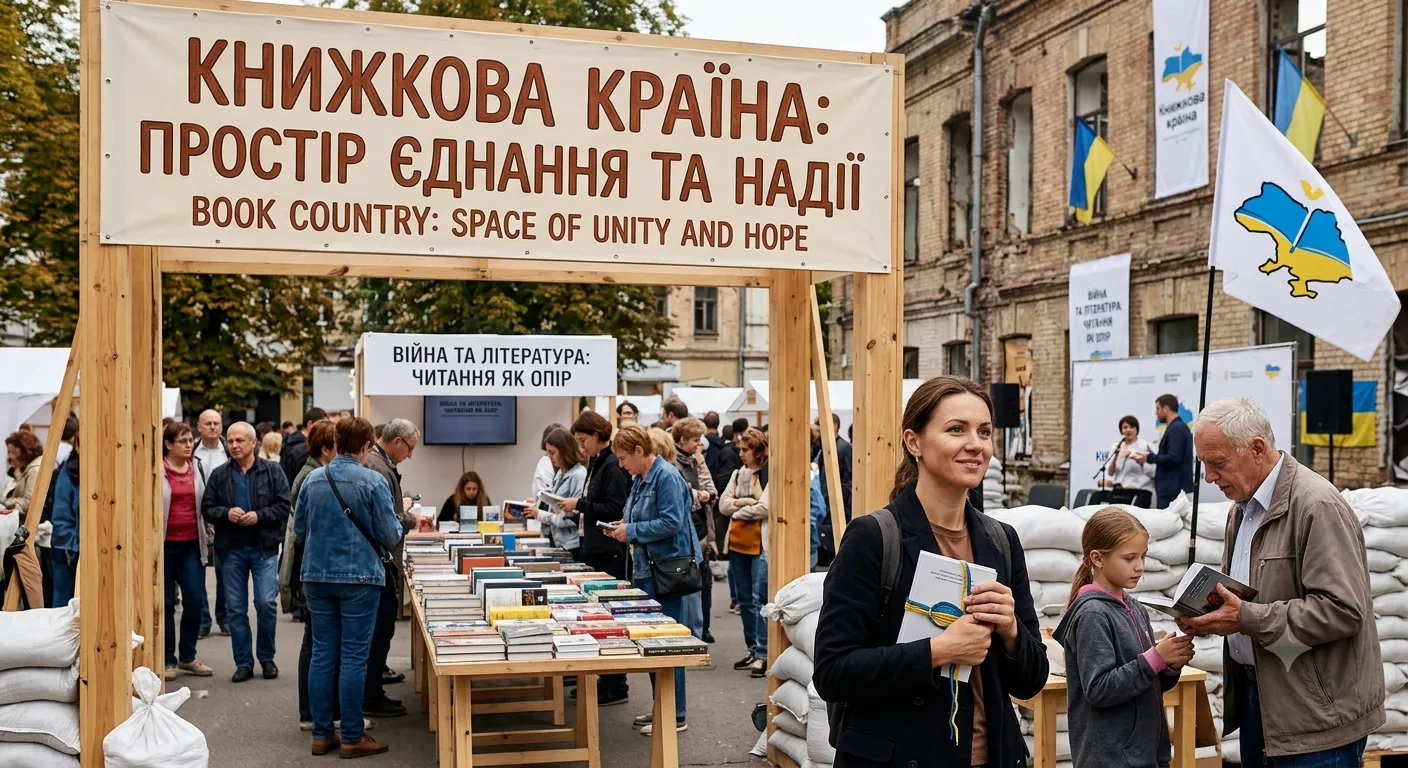
The best proof of the demand for “normalcy” is the attendance at cultural events. When the International Festival “Book Arsenal” thunders within the walls of the Old Arsenal, thousands of people stand in lines for hours—not just for books. They come for a sense of community. It is a space where you can hug like-minded people, listen to intellectual debates, and step out of the war’s information flow for a few hours.
A similar dynamic is unfolding in the music industry. The massive Atlas Festival, currently taking place in Kyiv, clearly demonstrates the evolution in how such events are perceived. This is no longer the carefree revelry of past years. Today, every ticket bought is a donation for drones, every song is a manifesto of resilience, and the venue itself is equipped with massive underground shelters in case of air raids.
People dance and sing not because they are indifferent to the war. They do it because the war has taught them to cherish every single moment “here and now.” Music becomes a legitimate way to channel pain and aggression, transforming them into hope.
Theater and Poetry as Therapy and a Source of Meaning
Ukrainian theater is experiencing a no less significant renaissance. Tickets for detective stories or classic plays in Kyiv theaters along the Andriyivskyy Descent are sold out weeks in advance. Full houses are also drawn to open-air poetry evenings, such as readings by Yuriy Izdryk.
Art provides answers to complex questions that people are afraid to ask themselves in solitude. Experiencing a catharsis in the auditorium gives Ukrainians a legitimate outlet to weep or laugh, shedding a heavy emotional burden.
When a person sees that despite missile strikes and blackouts, actors take the stage, artists open exhibitions, and publishing houses print new books, a firm conviction takes root: life prevails. This is the very light at the end of the tunnel, proving that Ukrainian culture and identity cannot be destroyed by missiles.
Balance Instead of Guilt
The defining trend of Ukrainian society in 2026 is overcoming “survivor’s guilt.” Citizens are gradually realizing that allowing themselves to rest, attend a concert, or go to the movies is not a betrayal of those in the trenches. It is an investment in their own viability, which will allow them to work, volunteer, and sustain the home front with renewed strength tomorrow.
War exhausts, but culture provides a respite. It reminds us who we are, what we are fighting for, and what a beautiful future awaits us after victory. Life in Ukraine goes on—and in that lies its greatest power.
A video preview of one of the main summer events can be viewed in the clip Atlas Festival 2026 Blockbuster Mall, which clearly shows how modern Ukrainian festivals have adapted to new realities by combining charity and visitor safety.
CULTURAL EVENTS HELD TODAY (JULY 18, 2026)
-
Atlas Festival 2026 (Kyiv): The premier music event of the summer is taking place this weekend in a safe format at the Blockbuster Mall. The festival features a strong charitable core to raise funds for the Armed Forces of Ukraine, alongside a rich lineup of top Ukrainian artists.
-
Grand Open-Air “Discotronica” at VDNG (Kyiv): A massive summer electronic and dance event under the open sky, hosted tonight at the “De, Shcho, Inshe” multi-space.
-
Gala Concerts at the National Opera of Ukraine (Kyiv): The country’s main opera house is presenting a special summer program this weekend, showcasing leading ballet and opera soloists.
-
Performances on Andriyivskyy Descent (Kyiv): The Academic Theater “Koleso” is running comedic and dramatic plays tonight (including Three Men in a Boat, To Say Nothing of the Dog).
-
Cultural and Historical Journeys (Kyiv): A new season of theatrical and historical excursions launched in the capital today, featuring the popular evening/night bus route “Kyiv 1918. The Last Route”.