Ukraine Confirms Strike on Russian Aerospace and Aviation Facilities in Samara



KEY TAKEAWAYS
- Ukraine’s General Staff has confirmed that Ukrainian forces struck two important Russian industrial facilities in Samara on August 15.
- The targets included a production workshop assembling engines for Soyuz launch vehicles at the Progress Rocket and Space Center.
- A separate aircraft maintenance workshop at Aviakor Aviation Plant was also hit.
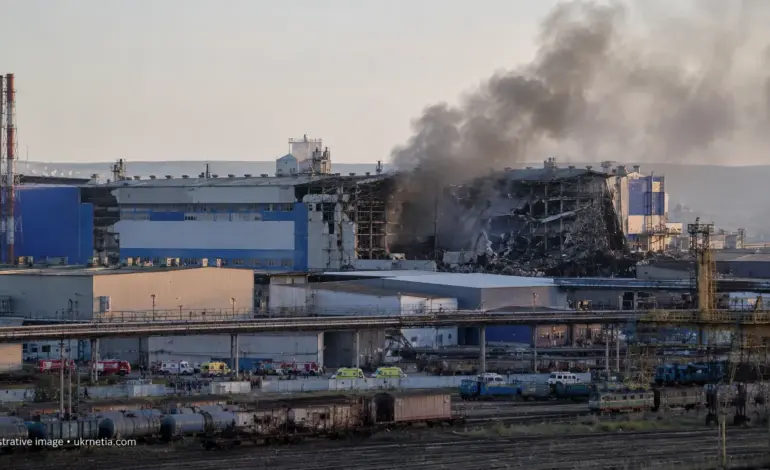
- A fire covering approximately 5,000 square meters was recorded at the Progress facility after the strike.
- The Progress center is a major Russian aerospace enterprise involved in producing the Soyuz family of launch vehicles and spacecraft.
- Ukraine’s General Staff says the damage reduces Russia’s military-technological capabilities, including infrastructure supporting Russian satellite communications and other space systems.
Ukraine’s General Staff has confirmed that Ukrainian forces struck a production workshop at Russia’s Progress Rocket and Space Center and an aircraft-maintenance facility at Aviakor in Samara on August 15. The updated assessment also confirmed a fire covering about 5,000 square meters at the Progress facility.
Ukraine Confirms Damage to Two Facilities
The Ukrainian General Staff released updated information on August 19 after analyzing additional data from the August 15 operation.
According to the assessment, the strike damaged both the Progress Rocket and Space Center and a facility belonging to Aviakor Aviation Plant in Samara, Russia.
The confirmation provides more detail than the initial reports, which had established that the Progress complex had been hit and that a fire had broken out.
Soyuz Engine Production Workshop Hit
One of the confirmed targets was a production workshop used to assemble engines for Soyuz launch vehicles.
The Progress Rocket and Space Center is one of the major enterprises in Russia’s aerospace industry and has long been associated with production of the Soyuz family of rockets.
The damage to an engine-assembly facility could therefore affect an important part of Russia’s aerospace production chain.
The Ukrainian General Staff described the center as strategically important because its products are used not only for civilian space launches but also for Russian military and communications-related satellite systems.
Aviakor Aircraft Facility Also Damaged
The second confirmed target was a workshop at Aviakor Aviation Plant responsible for servicing aviation equipment.
The General Staff said additional analysis confirmed damage to this facility during the August 15 strike.
Aviakor is one of the major aviation enterprises in Samara and has historically been involved in the production and maintenance of aircraft.
The confirmation means the operation affected two separate elements of Russia’s aerospace and aviation-industrial infrastructure in the same city.
Fire Covered About 5,000 Square Meters
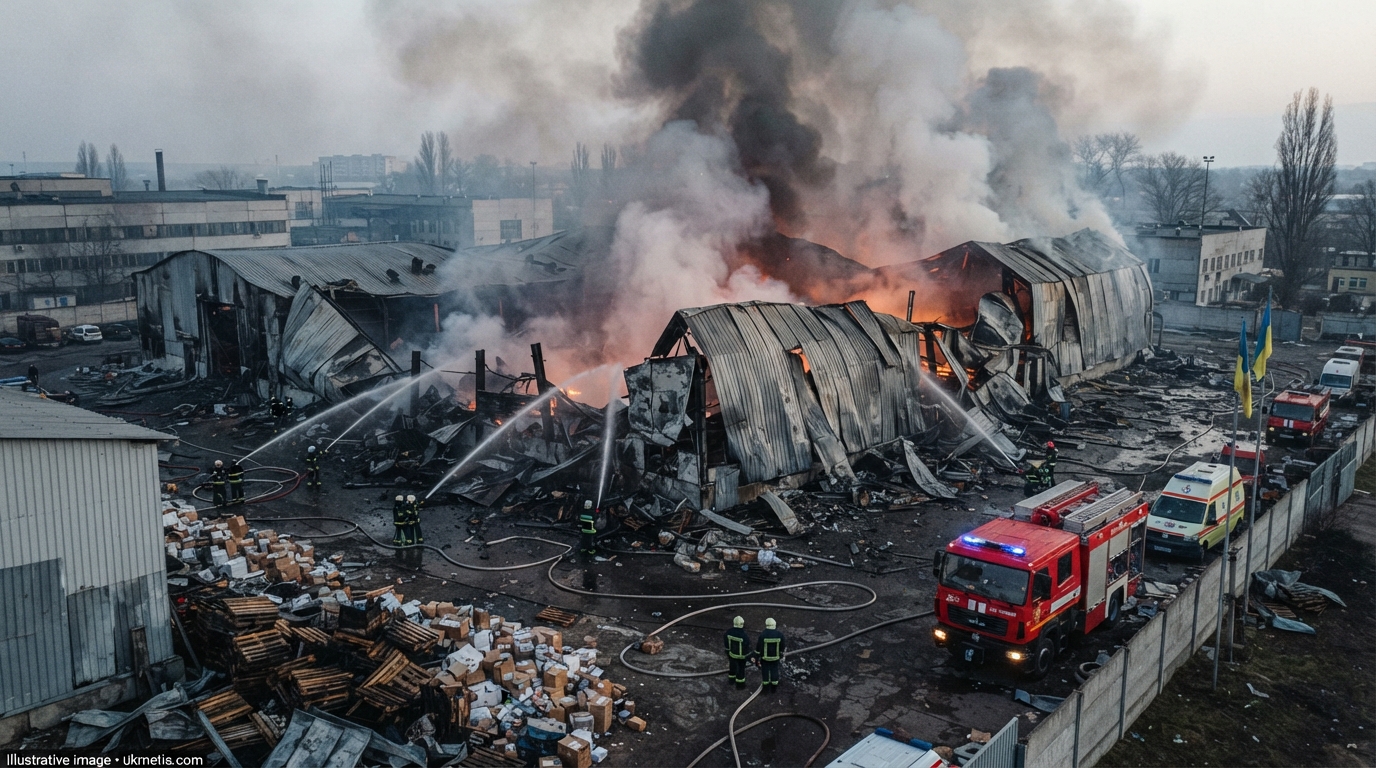
A significant fire was recorded at the Progress Rocket and Space Center after the strike.
According to Ukraine’s General Staff, the fire covered approximately 5,000 square meters.
The scale of the fire indicates that the strike caused substantial disruption inside the industrial complex, although the precise value of the damage has not been publicly established.
The General Staff’s latest statement focused on confirming the facilities that were hit rather than providing a financial estimate.
Progress Is Important to Russia’s Space Program
The Progress center plays a major role in Russia’s space industry.
The enterprise produces launch vehicles from the Soyuz family, which Russia uses to place spacecraft and satellites into orbit.
According to Ukrainian military assessments, some of these systems also support Russian military, reconnaissance and communications capabilities.
This makes the industrial complex relevant not only to Russia’s civilian space program but also to its broader military infrastructure.
Satellite Communications Are Part of the Concern
The Ukrainian General Staff specifically highlighted the connection between Progress and Russian satellite communications.
The Soyuz-2.1b launch vehicle has been used to deploy Russian satellite systems, including the country’s developing broadband communications constellation.
Satellite communications have become increasingly important to modern military operations, including communications, navigation, intelligence and coordination.
Damage to the industrial infrastructure supporting such systems could therefore have consequences beyond Russia’s conventional defense industry.
Ukraine Is Increasingly Targeting Russian Military Infrastructure
The Samara strike is part of Ukraine’s broader campaign against Russian military and defense-industrial infrastructure located far from the front line.
Ukraine has increasingly demonstrated the ability to reach targets deep inside Russia using domestically developed long-range weapons.
The objective is to put pressure on the industrial and logistical systems that support Russia’s war effort.
The Ukrainian General Staff has repeatedly emphasized that operations against Russian military-industrial facilities are intended to reduce Moscow’s ability to sustain its military capabilities.
The Strike Took Place Hundreds of Kilometers From Ukraine
Samara is located deep inside Russia, far from Ukraine’s current front line.
The August 15 operation therefore demonstrates the geographical reach of Ukraine’s long-range strike capabilities.
Earlier Ukrainian statements concerning the Progress strike said the target was approximately 900 kilometers from the Ukrainian border.
The ability to strike facilities at such distances is increasingly important to Ukraine as it seeks to disrupt Russian production and support infrastructure.
Initial Reports Were Later Confirmed
When explosions and a fire were first reported in Samara on August 15, information about the exact targets remained limited.
Ukraine’s General Staff initially confirmed that the Progress center had been hit, while the extent of the damage was still being assessed.
Four days later, after reviewing additional information, the military confirmed that both the Soyuz engine-production workshop and the Aviakor aircraft-maintenance facility had been affected.
The updated assessment provides a clearer picture of the scale of the operation.
Potential Impact on Russia’s Military-Technology Capabilities
The Progress center’s role in Russia’s aerospace sector gives the strike broader significance.
Even if the immediate damage is eventually repaired, disruptions to specialized production facilities can affect manufacturing schedules, maintenance cycles and the availability of components.
Ukraine’s General Staff explicitly said that strikes against facilities of this level significantly reduce Russia’s military-technological capabilities.
The long-term effect will depend on the extent of the damage and Russia’s ability to restore production.
Russia’s Aerospace Industry Has a Dual Role
Russia’s aerospace industry serves both civilian and military purposes.
Rocket technology, satellite launches and spacecraft production can support civilian space activities while also providing infrastructure for military communications, reconnaissance and other defense-related systems.
That dual-use nature makes major aerospace enterprises strategically important during the war.
The Progress facility is therefore a more significant target than an ordinary industrial plant.
A Broader Ukrainian Strategy
Ukraine’s long-range strikes against Russian territory have increasingly focused on facilities that contribute directly or indirectly to Moscow’s ability to wage war.
These include weapons factories, fuel infrastructure, military airfields, logistics hubs and other industrial facilities.
The Samara operation fits this broader strategy by targeting aerospace and aviation infrastructure rather than concentrating exclusively on frontline military positions.
What the Damage Means for Russia
It remains too early to determine how long the damaged facilities will remain disrupted.
The Russian authorities have not publicly provided a comprehensive independent assessment of the damage to the two industrial facilities.
Ukraine’s confirmation establishes that the facilities were hit, but the exact impact on future production remains uncertain.
Further assessments could reveal whether individual production lines were temporarily disabled or whether the damage will require longer-term repairs.
Ukraine Continues Long-Range Strike Campaign
The confirmed Samara strike comes as Ukraine continues developing and using increasingly capable domestic long-range weapons.
Ukraine’s defense industry has been expanding production of drones and missiles as Kyiv seeks to reduce dependence on foreign-supplied strike systems.
The ability to reach strategic facilities deep inside Russia has become an increasingly important component of Ukraine’s military strategy.
The August 15 strike demonstrates how that strategy is being applied against Russia’s aerospace and aviation-industrial infrastructure.
Ukraine’s confirmation of damage to the Progress Rocket and Space Center and Aviakor marks another significant strike against Russia’s military-industrial infrastructure. The attack affected a Soyuz engine-assembly workshop and an aircraft-maintenance facility, while a large fire at Progress demonstrates the scale of the disruption. The longer-term effect on Russian aerospace and aviation production remains unclear, but Ukraine says strikes against facilities of this importance weaken Russia’s military-technological capabilities.