Ukraine Confirms Strike on Russian Plant Producing Soyuz Rocket Engines


KEY TAKEAWAYS
- Ukraine’s General Staff has confirmed that the Progress Rocket and Space Center in Samara, Russia, was hit on August 15, 2026.
- The strike damaged a production workshop where engines for Soyuz-type launch vehicles are assembled.
- A separate workshop for servicing aviation equipment at Aviakor Aviation Plant was also hit.
- A fire covering approximately 5,000 square meters was recorded at the Progress facility following the strike.
- Progress is one of Russia’s key aerospace enterprises and is involved in producing the Soyuz family of launch vehicles.
- Ukraine says damage to facilities of this level reduces Russia’s military-technological capabilities, including infrastructure connected with satellite systems.
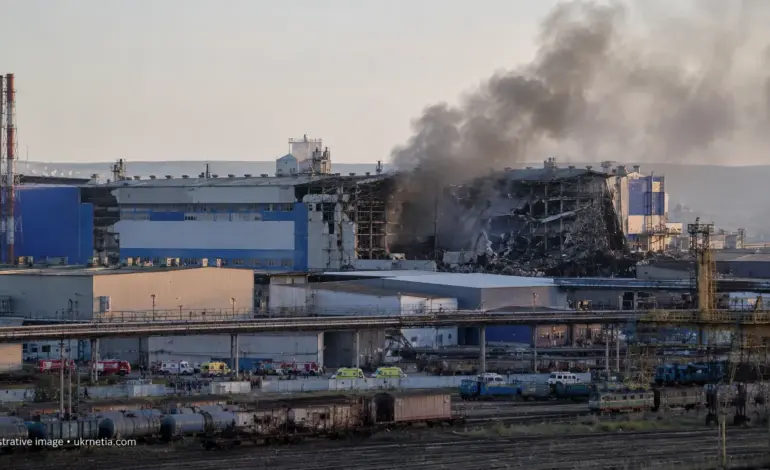
Ukraine’s General Staff has confirmed that the August 15 strike on Russia’s Progress Rocket and Space Center in Samara damaged a workshop assembling engines for Soyuz launch vehicles, as well as an aviation-maintenance workshop at the nearby Aviakor plant. A fire covering about 5,000 square meters was recorded at Progress.
Ukraine Confirms Damage at Progress
The Ukrainian General Staff released additional information on August 19 following an analysis of data from the August 15 operation.
The updated assessment confirmed that Ukrainian forces struck production facilities belonging to the Progress Rocket and Space Center and the Aviakor aviation plant in Samara.
The new information provides a clearer picture of the facilities affected by the attack.
Initial reports had confirmed that the Progress complex had been hit, but the specific production areas affected were not immediately known.
Workshop Producing Soyuz Rocket Engines Was Hit
According to the General Staff, the strike damaged a production workshop where engines for Soyuz-type launch vehicles are assembled.
This is an important part of the Russian aerospace production chain because the Progress center is responsible for manufacturing launch vehicles belonging to the Soyuz family.
The facility is therefore not simply a conventional industrial plant. It forms part of the infrastructure Russia uses to produce and prepare launch vehicles for its space program.
Fire Covered About 5,000 Square Meters
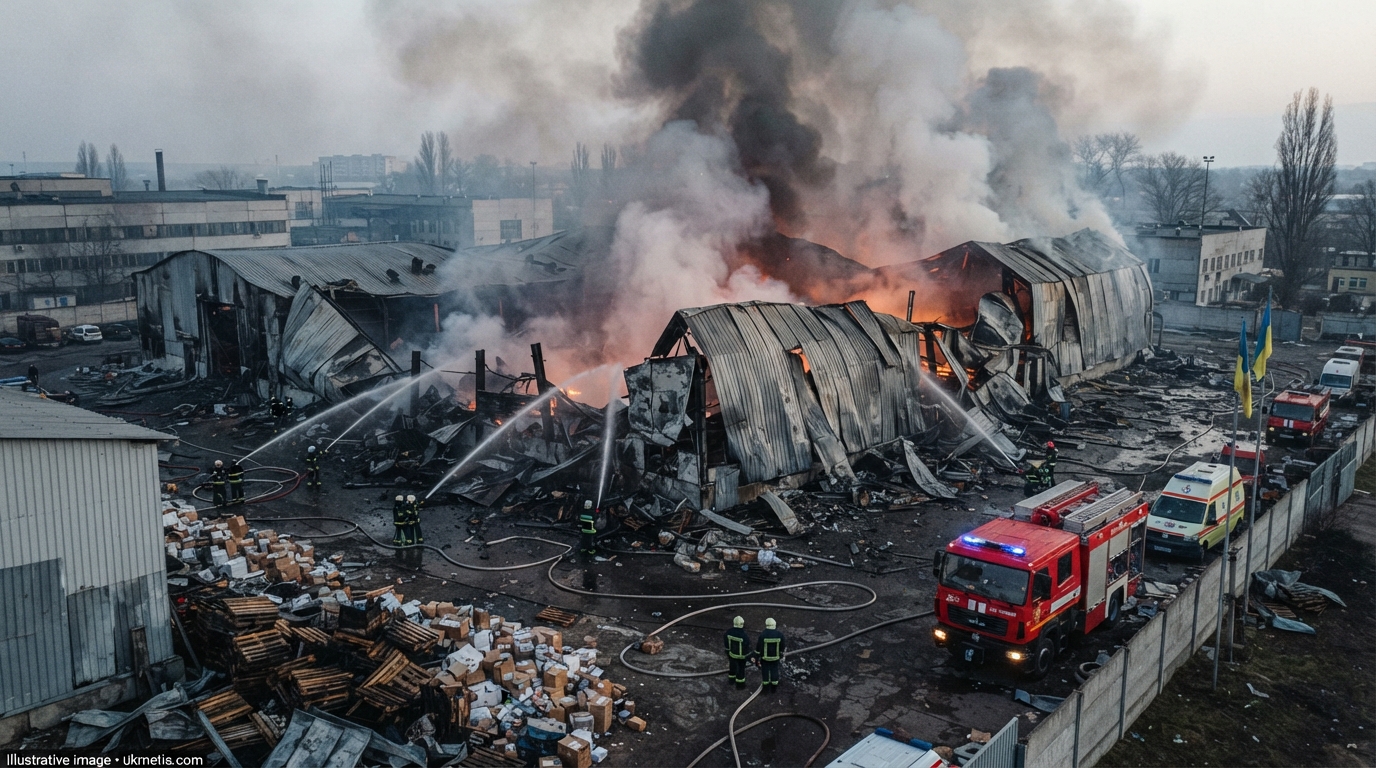
A large fire broke out at the Progress complex following the strike.
The General Staff said the fire covered approximately 5,000 square meters.
The Ukrainian military has not provided a complete assessment of the financial value of the damage.
It also remains unclear how long the affected production facilities will be unable to operate at normal capacity.
Aviakor Aviation Plant Also Damaged
The operation also affected a separate facility belonging to Aviakor Aviation Plant.
According to Ukraine’s General Staff, a workshop used for servicing aviation equipment was damaged.
The simultaneous damage to aerospace and aviation infrastructure makes the Samara operation significant beyond the Progress complex itself.
Both enterprises form part of Russia’s broader aviation and aerospace-industrial base.
Progress Is a Major Russian Aerospace Enterprise
The Progress Rocket and Space Center is one of the most important enterprises in Russia’s rocket and space industry.
The company is associated with the production of launch vehicles from the Soyuz family, which are used to place spacecraft and satellites into orbit.
The facility’s production capabilities therefore support Russia’s space-launch infrastructure.
Ukraine has also linked the enterprise to satellite systems that can have military applications.
Why Soyuz Production Matters
Russia continues to rely on the Soyuz family for launching spacecraft and satellites.
Launch vehicles are essential for maintaining satellite constellations because satellites eventually need to be replaced, expanded or repositioned.
Any significant disruption to the industrial infrastructure required to manufacture launch vehicles could therefore affect Russia’s ability to sustain future launches.
The actual long-term consequences of the Samara strike, however, will depend on the extent of the damage and Russia’s ability to repair or replace affected production capacity.
Military Significance Goes Beyond Rockets
The Ukrainian General Staff has emphasized that the significance of Progress extends beyond Russia’s civilian space program.
Satellite systems launched using Russian rockets can support communications and other capabilities used by the Russian military.
This gives aerospace production a dual-use character.
Damage to the industrial base supporting these systems can therefore have implications for Russia’s military-technological capabilities even when the facility itself is not producing conventional battlefield weapons.
Ukraine’s Long-Range Strike Campaign
The strike in Samara is part of Ukraine’s broader effort to target Russian military-industrial infrastructure deep inside the country.
Ukraine has increasingly developed long-range strike capabilities capable of reaching facilities located hundreds of kilometers from the front line.
The objective is to put pressure on the industrial, logistical and technological systems supporting Russia’s war effort.
The Progress strike fits this strategy by targeting an aerospace enterprise rather than a conventional frontline military position.
The Attack Took Place Deep Inside Russia
Samara is located far from the Ukrainian border and the current front line.
The distance makes the operation notable from the perspective of Ukraine’s growing long-range strike capabilities.
Ukraine has increasingly sought to demonstrate that Russian industrial facilities far from the battlefield cannot assume they are beyond the reach of Ukrainian weapons.
This has become an important component of Kyiv’s strategy for imposing costs on Russia’s defense-industrial infrastructure.
Ukraine Says the Strike Reduces Russia’s Capabilities
The Ukrainian General Staff described the affected facilities as strategically important to Russia’s aerospace and aviation industries.
It said that damage to enterprises of this level significantly reduces Russia’s military-technological capabilities.
The assessment is based on the role of the enterprises within Russia’s broader industrial system.
However, the exact long-term impact will only become clear once the extent of the physical damage and the ability to restore production are known.
The Strike Was Reported on August 15
The attack itself occurred on August 15, 2026.
Ukraine’s General Staff initially confirmed that the Progress center had been struck and that a fire had occurred at the facility.
Additional analysis conducted afterward allowed Ukrainian officials to identify the specific workshops that had been affected.
The August 19 statement therefore represents an updated assessment rather than a newly reported attack.
Satellite Images Had Shown Significant Damage
Independent imagery released before the latest General Staff statement had already indicated substantial damage at the Progress complex.
Satellite analysis showed visible destruction at part of the facility following the strike.
Such imagery provided an independent indication that the August 15 attack had caused more than a limited disruption.
The General Staff’s subsequent confirmation identified the particular production workshop involved.
Ukraine Links the Attack to Its Domestic Strike Capabilities
The August 15 operation also comes amid Ukraine’s expanding domestic production of long-range weapons.
Ukrainian officials have increasingly emphasized the development of domestically produced missiles and drones capable of striking strategic targets at considerable distances.
The strike against Progress demonstrates how this capability can be used against industrial facilities supporting Russia’s broader military system.
The Full Economic Impact Is Still Unknown
Despite confirmation of the damaged workshops and the large fire, there is not yet enough public information to determine the precise economic impact on Russia’s aerospace industry.
The most important questions concern the extent of structural damage, the condition of production equipment and the ability of the enterprise to move production to other facilities.
Russia may also attempt to repair the damaged facilities or compensate for lost capacity elsewhere.
For this reason, the immediate physical damage should not automatically be interpreted as a permanent halt to Soyuz production.
A Significant Industrial Target
The Progress Rocket and Space Center occupies an unusual position within Russia’s industrial system because its products connect the country’s aerospace, satellite and military capabilities.
The damage to a workshop involved in engine assembly is therefore potentially more consequential than damage to an ordinary industrial building.
At the same time, the actual effect on future launch schedules and Russian military capabilities remains subject to further assessment.
What Happens Next
The immediate focus will be on determining the extent of the damage and whether affected production lines can be restored.
Ukraine is likely to continue monitoring the facility through intelligence and satellite imagery.
For Russia, the challenge will be to maintain aerospace production and launch capabilities despite increasingly frequent Ukrainian attacks on strategically important facilities deep inside its territory.
Ukraine’s confirmation of damage to the Progress Rocket and Space Center in Samara highlights the growing reach of its long-range strike campaign against Russia’s strategic industrial infrastructure. The affected workshop assembles engines for Soyuz-type launch vehicles, while a separate Aviakor aviation-maintenance facility was also damaged. The long-term effect on Russian aerospace production remains uncertain, but the operation demonstrates Ukraine’s ability to target important industrial capabilities far from the battlefield.