Russia Reportedly Loses Ability to Strike Kyiv With Iskander Missiles for Three Days


KEY TAKEAWAYS
- A Ukrainian monitoring channel claims that Russian Iskander missile launchers in Bryansk Oblast will be unable to move to launch positions for approximately three days.
- The claim suggests that Russia may temporarily lose the ability to launch ballistic missiles against Kyiv from that area.
- The reported disruption is attributed to successful actions by Ukrainian Defense Forces, although specific details have not been officially disclosed.
- The information comes from a monitoring source and has not been independently confirmed by Ukraine’s Air Force or government authorities.
- Bryansk Oblast has previously been identified as one of the important areas from which Russia launches ballistic missiles toward Ukraine.
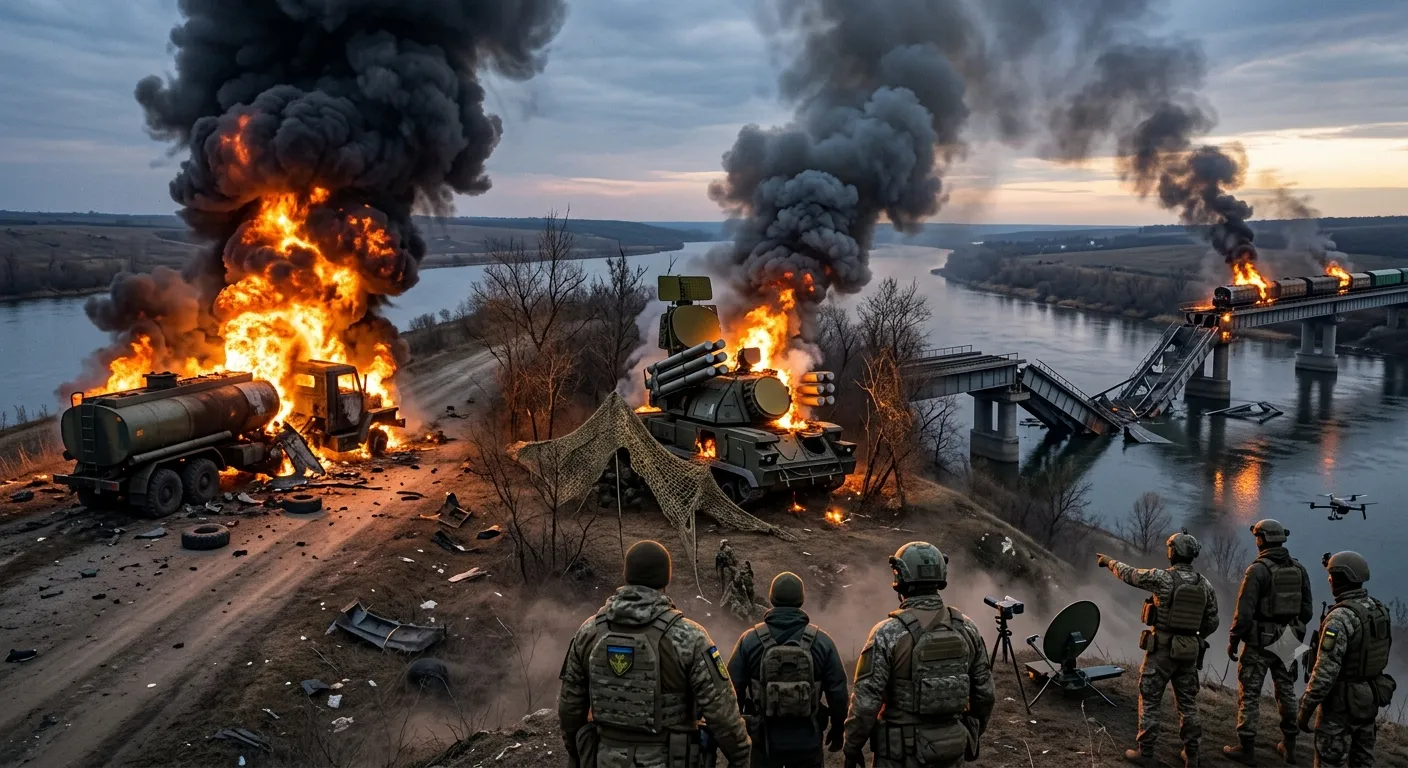
Russia may temporarily be unable to launch Iskander ballistic missiles against Kyiv from positions in Bryansk Oblast, according to a Ukrainian monitoring channel. The reported disruption could last for approximately three days, although Ukrainian authorities have not officially confirmed the claim.
Iskander Launchers Reportedly Unable to Reach Positions
According to the monitoring channel Operatyvnyi Inform, Russian Iskander operational-tactical missile launchers deployed in Bryansk Oblast will reportedly be unable to move to their designated launch areas for the next three days.
The channel attributed the situation to what it described as successful actions by Ukrainian Defense Forces.
The claim does not specify exactly what happened to the Russian launchers or infrastructure, and those details have not been independently verified.
What This Means for Kyiv
If the assessment is accurate, Russia could temporarily lose one of its options for launching ballistic missiles toward the Ukrainian capital.
Bryansk Oblast is particularly important because of its geographic proximity to northern Ukraine. Russian forces have previously used ballistic missiles from the region against Ukrainian targets, including Kyiv.
A temporary inability to move launchers into firing positions would therefore reduce one potential avenue for attacks on the capital.
It would not, however, eliminate Russia’s broader ballistic missile capability.
The Claim Has Not Been Officially Confirmed
An important qualification is that the information comes from a monitoring channel rather than an official Ukrainian military statement.
According to the source article, Ukraine’s Air Force, government officials and other official authorities had not published similar information at the time of reporting.
That means the reported three-day period should be treated as an assessment rather than a confirmed operational fact.
The situation could also change if Russian forces relocate launchers or employ other launch sites.
Bryansk Is One of Several Launch Areas
Russia does not rely on a single location for ballistic attacks against Ukraine.
The August 16 attack, for example, involved Iskander-M and other ballistic missiles launched from Kursk, Bryansk and Voronezh regions, according to Ukraine’s Air Force.
This means that even if Russian launchers in Bryansk are temporarily constrained, Moscow retains other potential launch areas.
The reported disruption therefore represents a reduction in one capability rather than the complete elimination of the ballistic threat.
Why Ballistic Missiles Are So Difficult to Counter
Iskander missiles are among the most challenging weapons used by Russia against Ukrainian cities.
Their high speed and ballistic flight profile leave defenders with a relatively short warning period, particularly when launches occur from locations relatively close to the target.
For Kyiv, this makes the location and mobility of Russian launchers strategically important.
The ability of launchers to relocate between firing positions can also make them harder to detect and target.
Mobility Is Critical for Iskander Units
Mobile missile systems are designed precisely to avoid remaining in one predictable location.
Launchers can move between prepared positions, fire missiles and relocate again.
Therefore, preventing or delaying that movement could temporarily reduce the effectiveness of the system.
The monitoring channel’s claim specifically refers to the inability of Russian launchers to move into launch areas, rather than suggesting that the missiles themselves have disappeared.
Russia Has Already Experienced a Period of Reduced Ballistic Activity
The latest report comes after Ukrainian monitoring channels observed a reduction in ballistic launches from Bryansk during the first half of August.
According to Apostrophe, previous estimates suggested that between 40% and 70% of Russian ballistic attacks had been associated with the region, including launches involving Iskander-M and S-400 systems.
Analysts have linked the reduction to Ukrainian efforts to threaten Russian launch positions and force missile units to change their deployment patterns.
However, the exact reasons for changes in Russian launch activity remain difficult to establish independently.
A Temporary Window for Kyiv
If the monitoring assessment proves accurate, the three-day period could provide a temporary reduction in the risk of ballistic strikes against Kyiv from Bryansk.
That does not mean the capital is safe from Russian missile attacks.
Russia can use other launch areas, cruise missiles and attack drones, while its forces have demonstrated the ability to change attack patterns quickly.
The reported situation is therefore best understood as a temporary operational advantage rather than a permanent change in the threat.
Ukraine Is Also Expanding Long-Range Strike Capabilities
The reported disruption comes as Ukraine itself continues to develop its ability to strike targets deep inside Russia.
Ukraine has increasingly used domestically produced long-range drones and missiles against Russian military and industrial facilities.
The emergence of systems such as the FP-5 Flamingo has added another dimension to Ukraine’s long-range campaign.
This creates a broader dynamic in which both sides increasingly seek to disrupt the other’s ability to launch attacks far from the front.
What Happens After Three Days?
The most important question is whether Russia will be able to restore the movement of its launchers after the reported three-day period.
If the disruption is caused by damage to infrastructure or launch-related facilities, the effect could last longer.
If it is primarily a temporary operational restriction, Russian forces may simply reposition their systems or use alternative launch areas.
At present, there is not enough independently verified information to determine which scenario applies.
The Ballistic Threat Has Not Disappeared
Even if the claim is correct, Kyiv remains exposed to Russian ballistic weapons.
The August 16 overnight attack demonstrated that Russia can combine Iskander-M, S-400 and KN-23 ballistic missiles with drones and other missile types in a single operation.
The Ukrainian capital continues to rely heavily on layered air defenses, including systems capable of intercepting some ballistic threats.
The reported three-day disruption would therefore be significant, but limited.
A Potentially Important Ukrainian Success
The most significant aspect of the report is not simply that Kyiv might receive three quieter days.
It is the possibility that Ukrainian operations are increasingly affecting Russia’s ability to position and employ its missile systems.
If Ukrainian forces can repeatedly force Russian launchers to relocate, remain inactive or operate under greater risk, the effect could extend beyond individual attacks.
It could force Russia to spend more resources protecting missile units and complicate its planning for strikes against Ukrainian cities.
For now, however, the three-day assessment remains unconfirmed by official Ukrainian authorities. If it proves accurate, it would represent a notable but temporary disruption of one of Russia’s ballistic strike options against Kyiv.