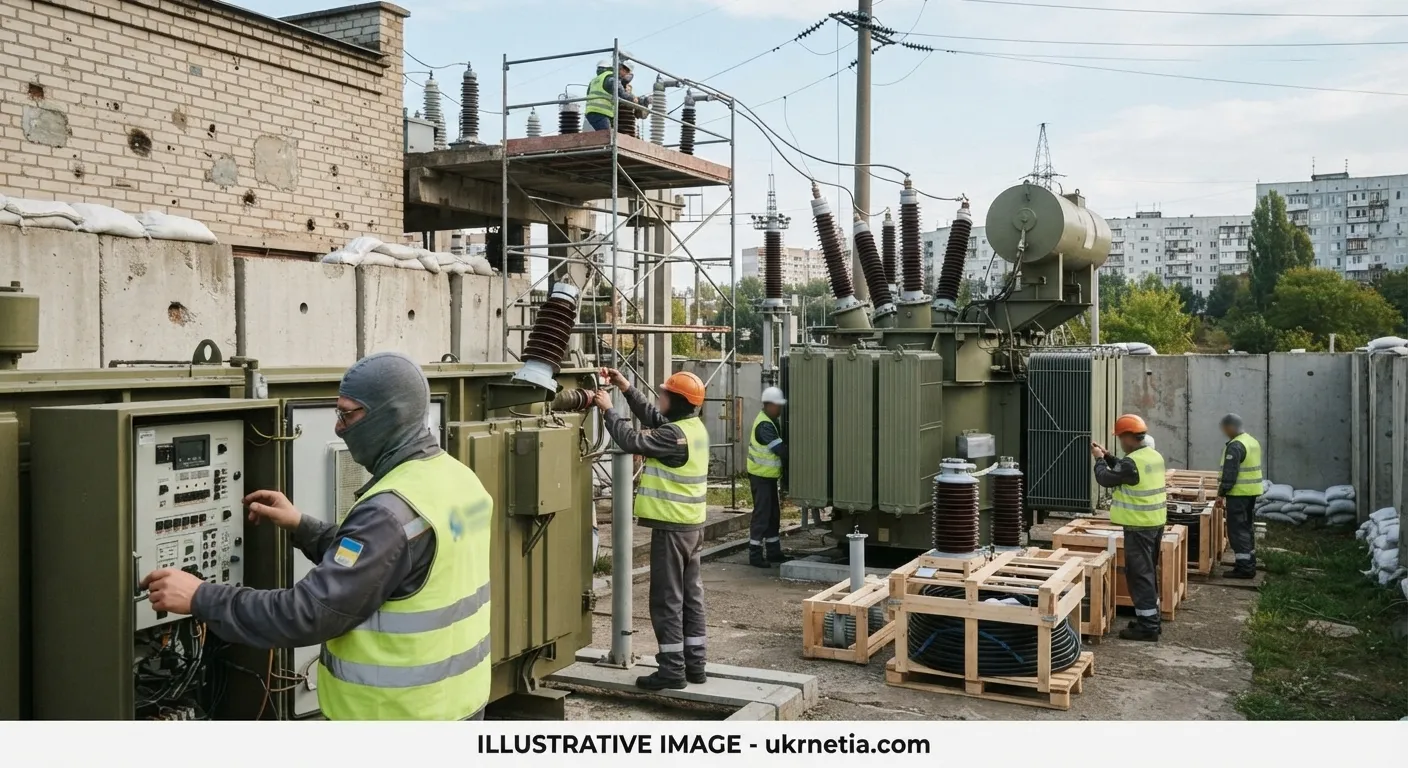
Energy Infrastructure Remains Central to Ukraine’s Long-Term Economic Strategy


KEY TAKEAWAYS
- Ukraine is prioritizing investment in modern energy infrastructure.
- Restoring and protecting the energy system is critical for economic recovery.
- Renewable energy and decentralized generation are becoming increasingly important.
- International partners continue supporting Ukraine’s energy resilience.
Ukraine’s energy sector remains one of the country’s highest economic priorities as authorities continue investing in infrastructure recovery and modernization. Despite repeated attacks on critical facilities during the war, the country is working to strengthen energy security while building a more resilient and diversified power system for the future.
Energy Security Becomes an Economic Priority
Reliable energy supplies are essential for every sector of Ukraine’s economy. Manufacturing plants, transportation networks, hospitals, schools, and businesses all depend on stable electricity generation and distribution to operate efficiently.
Since the beginning of Russia’s full-scale invasion, protecting and restoring energy infrastructure has become one of the government’s most important economic objectives. Repair crews, engineers, and utility companies have worked continuously to restore damaged facilities and improve the resilience of the national power grid.
Rather than simply rebuilding damaged infrastructure, many projects are designed to create a stronger and more flexible energy system capable of withstanding future disruptions.
Modernization Drives Long-Term Growth
Ukraine’s recovery strategy increasingly focuses on modernizing its energy sector instead of restoring outdated infrastructure.
Investments are being directed toward modern transmission systems, digital grid management, energy storage technologies, and more efficient generation facilities. These improvements are expected to reduce energy losses, improve reliability, and create a more competitive electricity market.
Modern infrastructure also supports economic development by providing businesses with more predictable energy supplies, encouraging new industrial investment, and reducing operational risks.
Energy modernization is therefore becoming both an economic necessity and an opportunity to accelerate technological progress.
Renewable Energy Gains Momentum
Renewable energy is expected to play a growing role in Ukraine’s future electricity mix.
Solar, wind, biomass, and small-scale distributed generation projects are attracting increasing attention as the country seeks to diversify its energy sources and improve resilience against potential disruptions.
Decentralized energy production allows communities and businesses to generate electricity closer to where it is consumed, reducing dependence on large centralized facilities.
Experts believe this approach can improve energy security while creating new investment opportunities in local economies across the country.
The transition toward cleaner energy also supports Ukraine’s broader environmental and climate objectives as it moves closer to European energy standards.
International Cooperation Supports Recovery
Ukraine continues working closely with international partners to restore damaged infrastructure and strengthen the country’s energy system.
Financial assistance, technical expertise, and equipment provided by allied governments and international organizations have helped accelerate repair efforts and improve the resilience of critical infrastructure.
Cooperation with European partners is also helping integrate Ukraine’s electricity market more closely with the wider European energy system.
This integration is expected to improve market stability, increase cross-border electricity trade, and support future investment in energy projects.
As reconstruction progresses, international cooperation is likely to remain one of the key drivers of modernization across the sector.
Building a More Resilient Energy Future
The experience of operating under wartime conditions has highlighted the importance of flexibility and resilience within the energy sector.
Businesses are increasingly investing in backup power systems, energy-efficient technologies, and diversified electricity sources to reduce operational risks.
At the same time, government policies continue encouraging investment in infrastructure that can better withstand future challenges while supporting sustainable economic growth.
Many economists believe today’s energy investments will deliver long-term benefits by improving productivity, strengthening industrial competitiveness, and creating a more reliable foundation for Ukraine’s future economy.
WHY IT MATTERS
Energy infrastructure is one of the foundations of economic stability. Reliable electricity enables businesses to operate, supports industrial production, attracts investment, and improves the quality of life for citizens. Ukraine’s efforts to modernize and strengthen its energy system are expected to play a vital role in both wartime resilience and long-term economic recovery.
WHAT’S NEXT?
Ukraine is expected to continue expanding investment in energy infrastructure while increasing cooperation with international partners on modernization projects. Renewable energy, digital technologies, and decentralized generation are likely to become increasingly important as the country builds a more secure and competitive energy sector.
RELATED TOPICS
- Ukraine Energy Sector
- Energy Infrastructure
- Renewable Energy
- Economic Recovery
- European Energy Integration