Russia Attacks Kyiv, Donetsk and Odesa Regions as Rescue Teams Respond to Damage


KEY TAKEAWAYS
- Russian forces launched attacks against Kyiv, Donetsk and Odesa regions on August 20.
- The strikes caused deaths, injuries, fires and damage to civilian infrastructure.
- Emergency crews from Ukraine’s State Emergency Service are continuing to extinguish fires and clear debris.
- The Kyiv region was among the areas hit during the large overnight Russian assault.
- The attack caused significant disruption to electricity supplies in several Ukrainian regions.
- In Odesa region, Russian strikes damaged civilian infrastructure and caused widespread power outages, with around 13,000 consumers without electricity in the morning.
- The attacks formed part of a wider Russian overnight assault involving ballistic and cruise missiles, drones and other weapons.
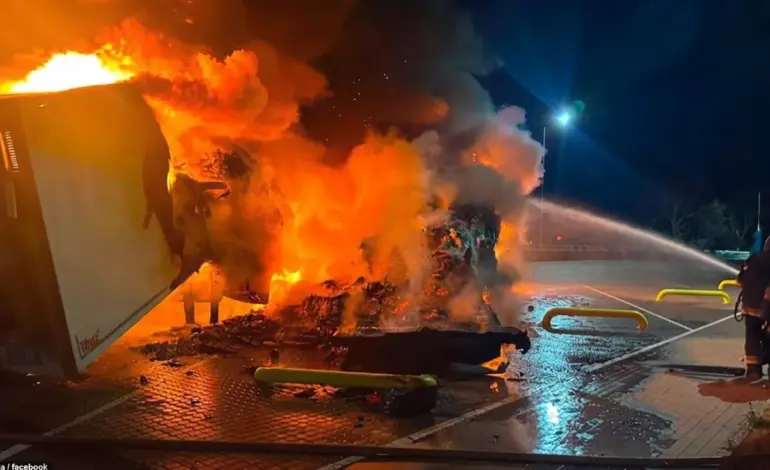
Russian forces attacked several Ukrainian regions overnight and into the morning of August 20, with Kyiv, Donetsk and Odesa regions among those affected. The strikes caused deaths and injuries, damaged civilian infrastructure and triggered fires, while emergency services continued working to clear debris and deal with the consequences of the attacks.
Kyiv Region Bears the Brunt of the Attack
The Kyiv region was one of the main targets of the large Russian assault during the night.
The attack on Kyiv and surrounding areas lasted for hours and involved a combination of missiles and drones.
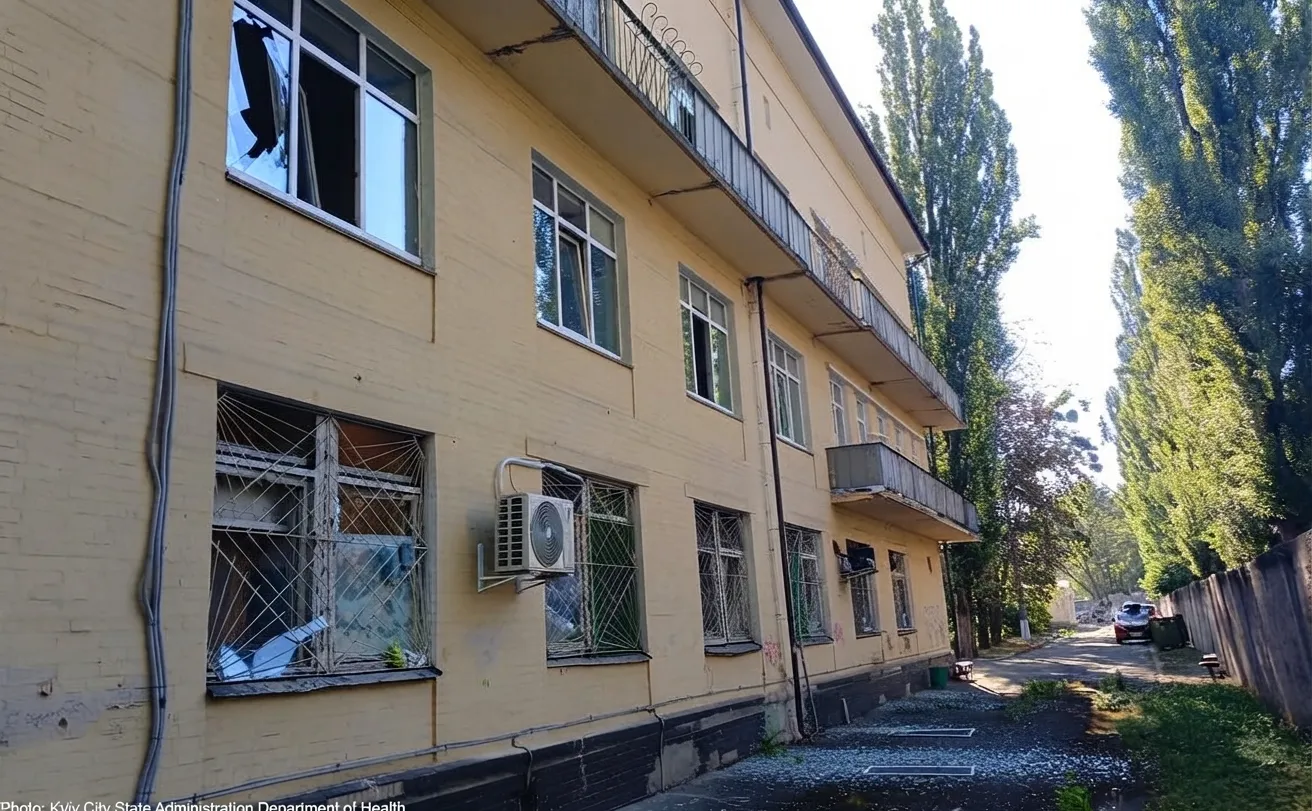
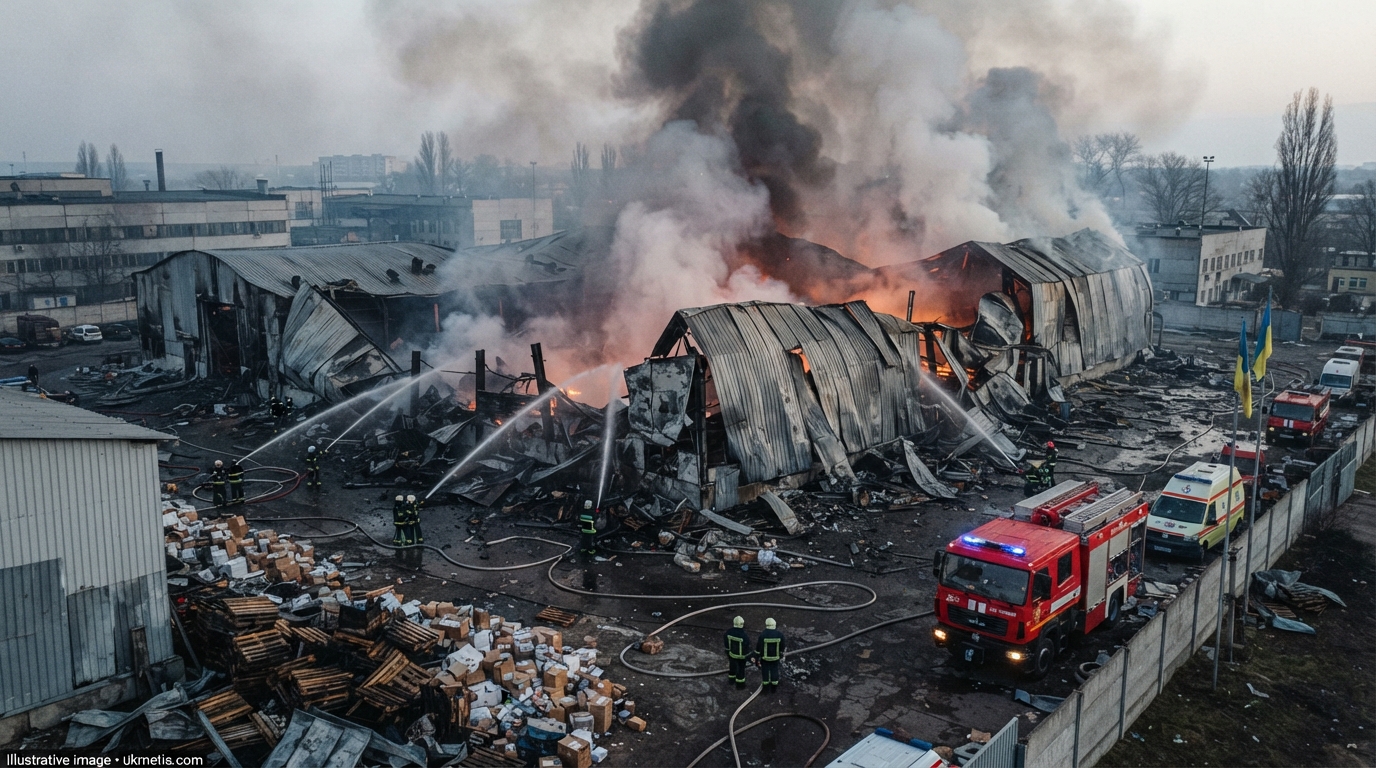
Residential buildings, warehouses, industrial facilities and other civilian infrastructure were damaged.
Emergency services remained active at several locations after the main attack ended.
Extensive Damage in Kyiv
The capital suffered particularly severe consequences.
According to Ukrainian authorities, strikes were recorded in the Sviatoshynskyi, Solomianskyi and Darnytskyi districts.
Residential buildings and warehouses were damaged, while multiple fires broke out.
The scale of the damage required emergency crews to operate simultaneously at different sites.
Fatalities and Injuries in Kyiv
The overnight attack caused a significant number of civilian casualties in Kyiv.
Early reports put the death toll at six, but the number subsequently increased as rescue operations continued. Later updates reported 12 deaths in the capital and another fatality in the Kyiv region.
Dozens of people were also injured.
The figures continued to be updated as rescuers searched damaged structures.
Residential Buildings Were Damaged
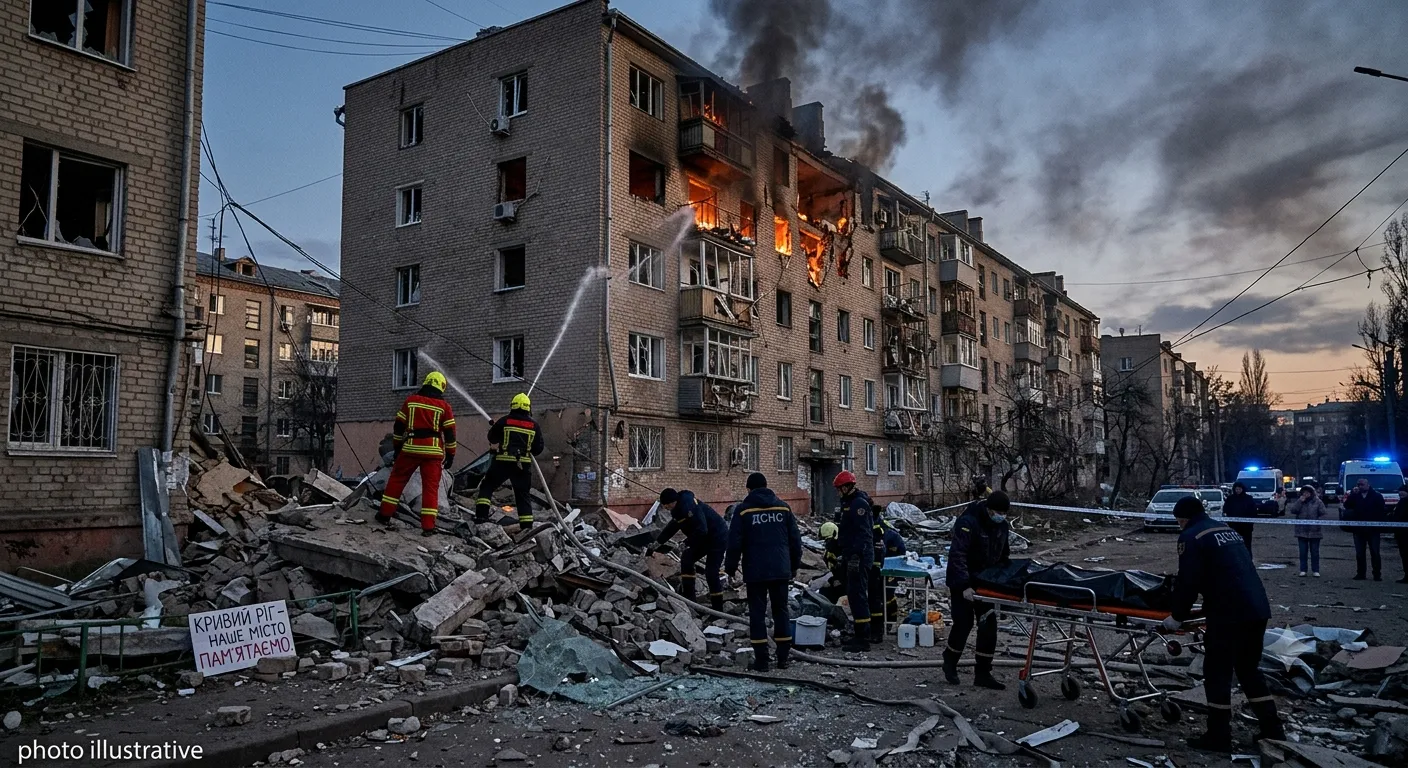
Among the most serious incidents was the destruction of the upper floors of a nine-story residential building in Solomianskyi district.
People were also trapped in damaged buildings and a school shelter.
Rescue workers were deployed to search the rubble and assist residents.
Warehouses and Industrial Facilities Were Hit
The attack also affected non-residential infrastructure.
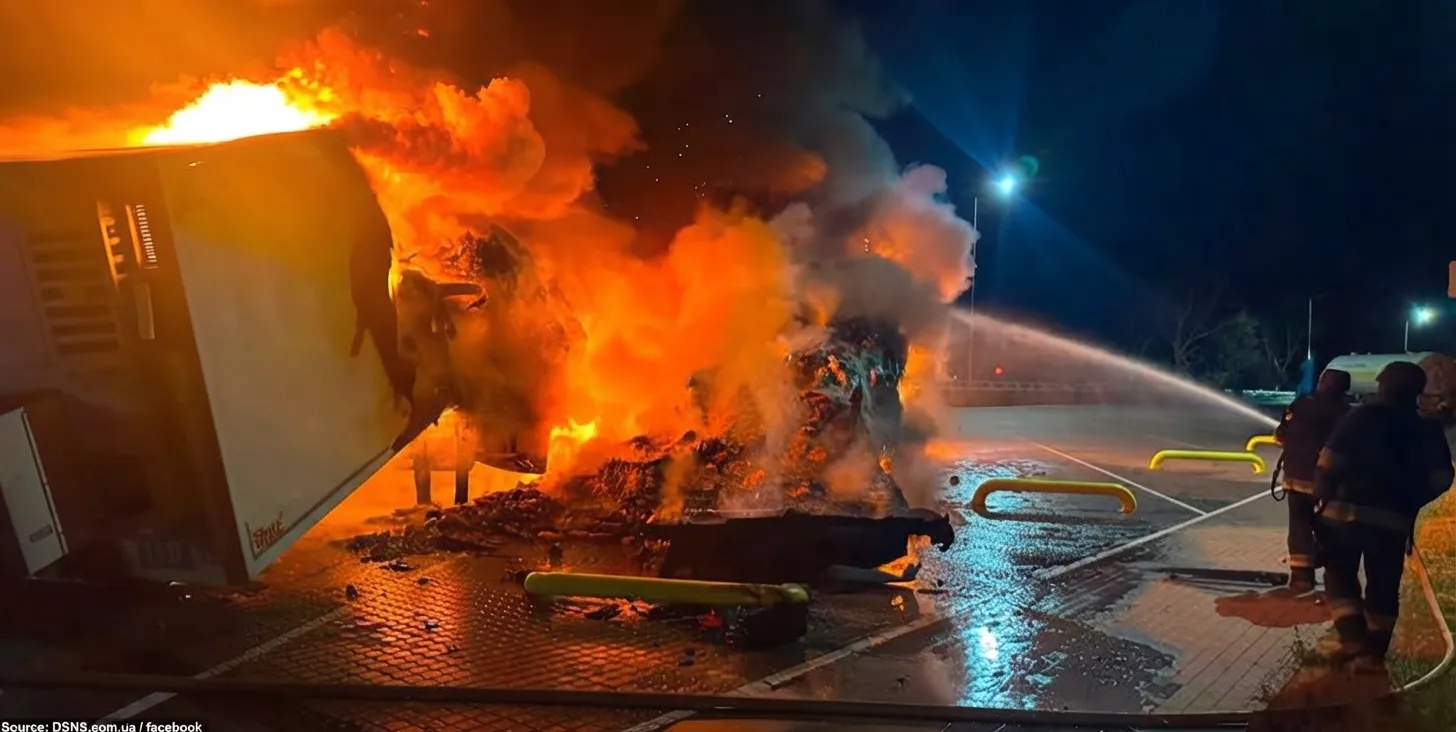
Warehouses in several parts of the Kyiv region caught fire, while industrial facilities were damaged.
In Boryspil district, food warehouses and Red Cross facilities were among the sites hit during the attack.
The damage could create additional pressure on regional logistics and humanitarian operations.
Power Outages Across the Region
The attack also affected energy infrastructure.
Parts of Kyiv and several regions were left without electricity after the overnight strikes.
According to energy authorities, consumers in Kyiv, Kyiv region, Donetsk, Odesa, Zaporizhzhia, Dnipropetrovsk and Kharkiv regions experienced outages.
Emergency restoration work began where security conditions allowed.
Odesa Region Was Also Targeted
Russian forces attacked southern Odesa region during the same broader assault.
Civilian infrastructure was damaged and power supplies were disrupted.
By the morning, around 13,000 consumers remained without electricity in the affected area.
Energy workers were already working to restore supplies.
Damage to Civilian Infrastructure in Odesa
The attack on Odesa region was directed at civilian infrastructure rather than only military targets.
The resulting damage affected electricity supplies and the operation of local infrastructure.
The disruption illustrates how long-range Russian attacks can create consequences well beyond the immediate strike locations.
Donetsk Region Remains Under Constant Pressure
Donetsk region also came under Russian attack.
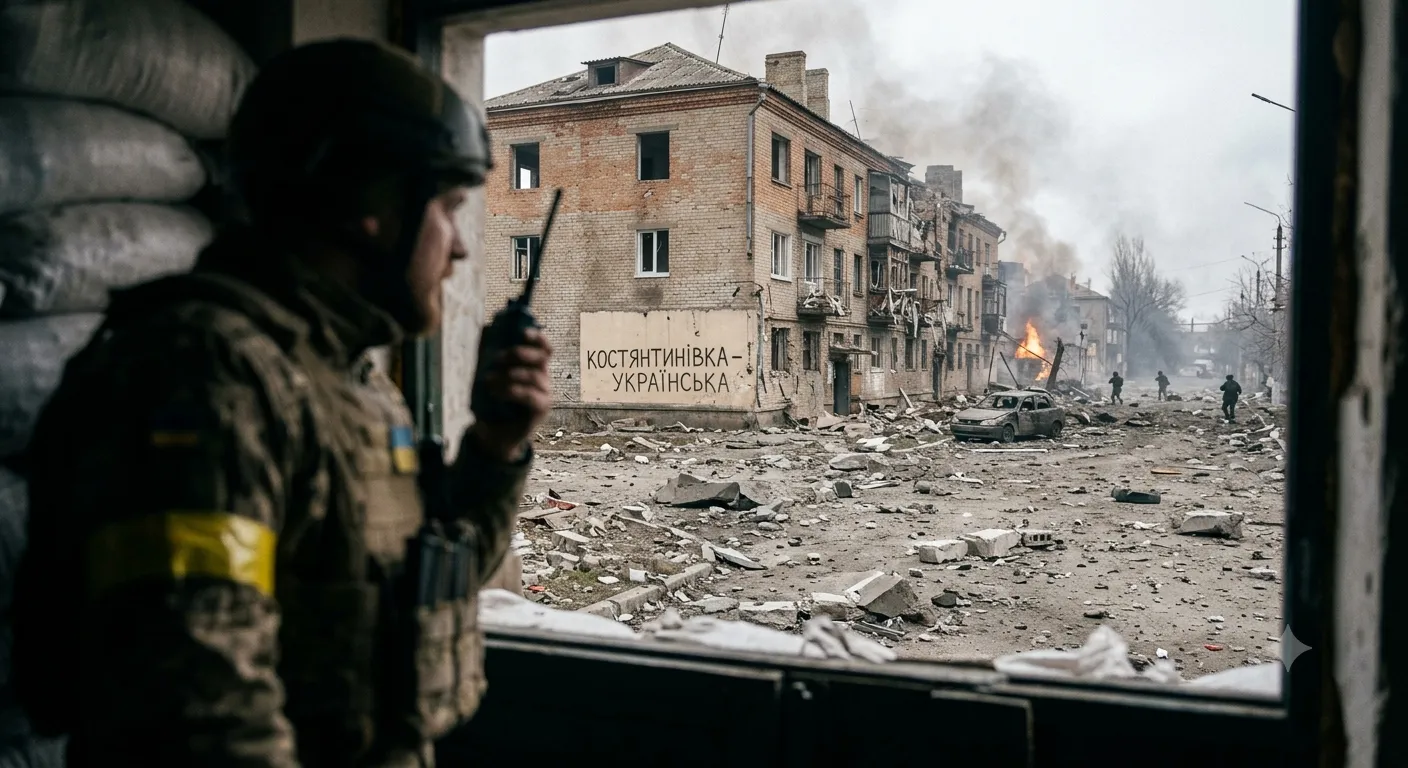
The region remains one of the most heavily affected parts of Ukraine because of its proximity to the front line.
Russian strikes there regularly target populated areas and civilian infrastructure.
The latest attack added to the continuing pressure on local communities.
Emergency Crews Work Across Multiple Regions
Ukraine’s State Emergency Service has been operating across the affected areas.
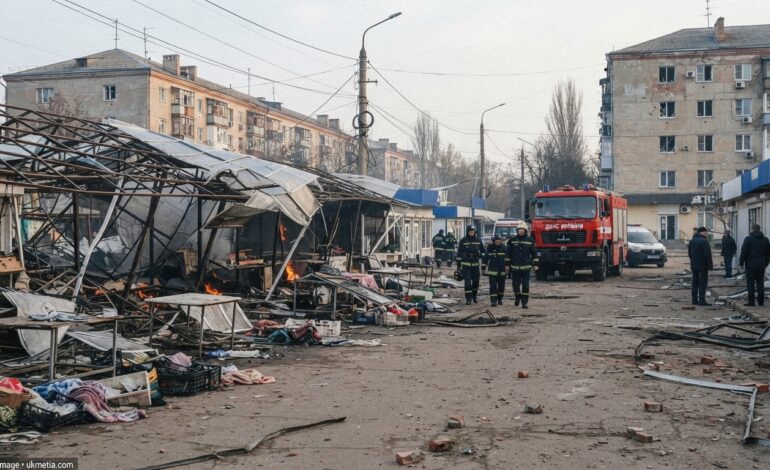
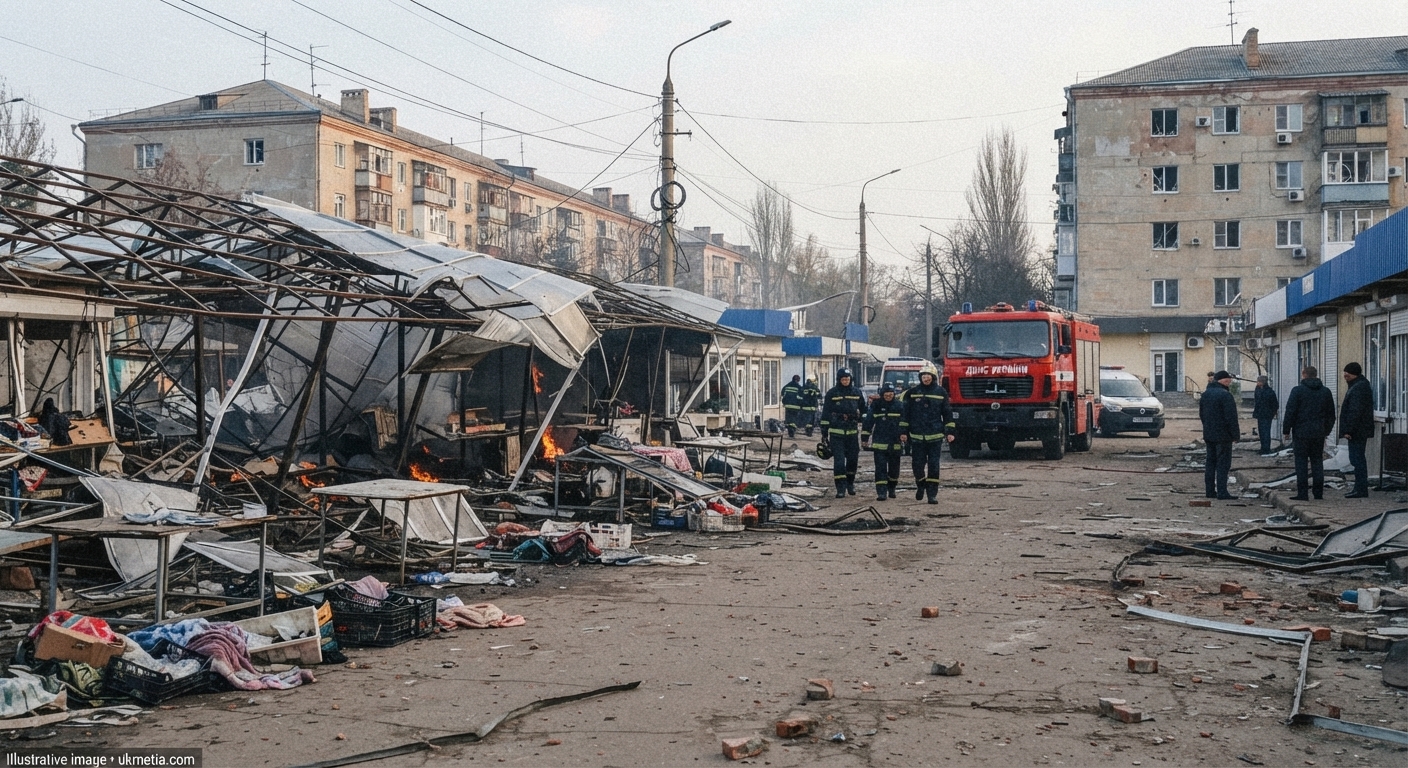
Firefighters are extinguishing fires, rescuers are clearing debris and emergency teams are searching damaged structures.
The simultaneous attacks in several regions place additional pressure on emergency-response resources.
The Attack Was Part of a Large Russian Assault
The strikes against Kyiv, Odesa and Donetsk regions were not isolated incidents.
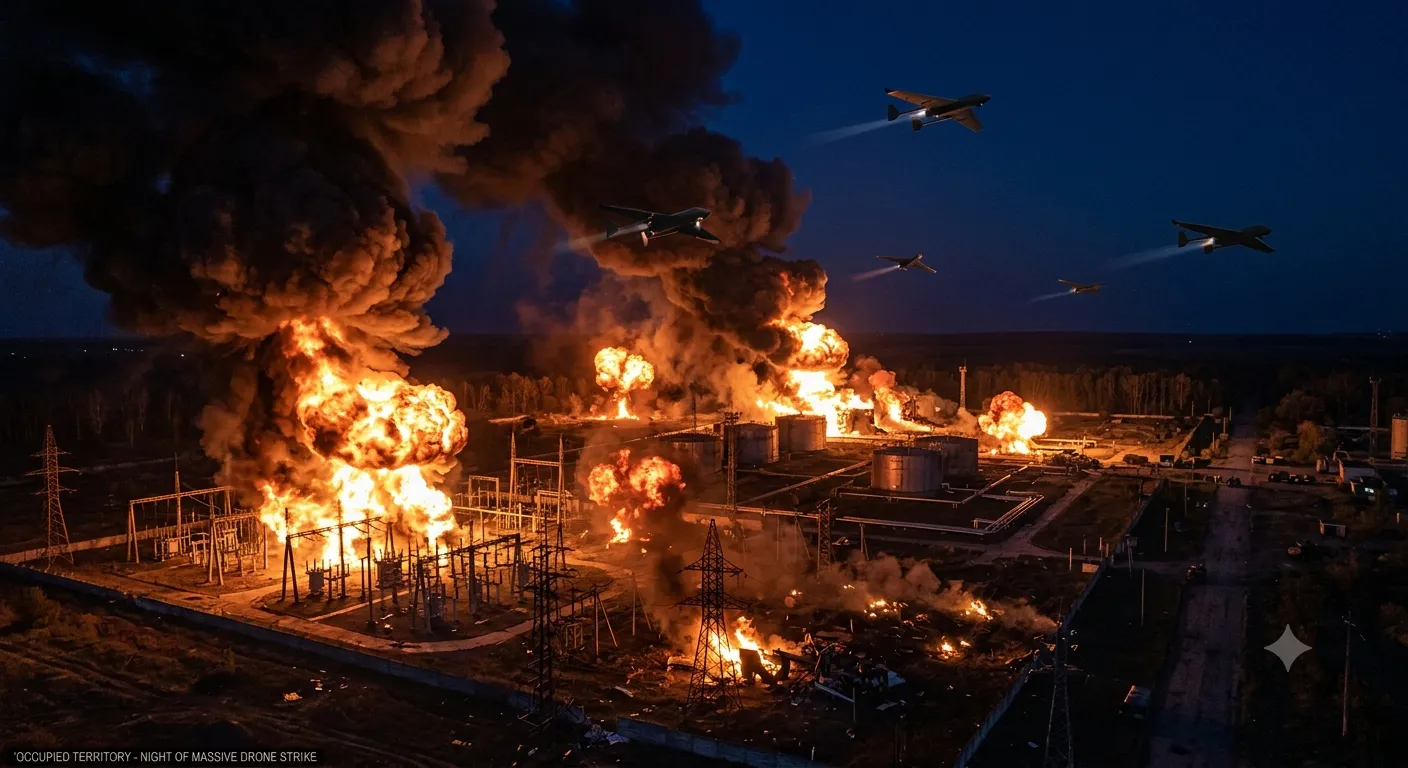
Russian forces launched a large combined attack involving ballistic and cruise missiles, drones and other aerial weapons.
Kyiv region was the principal direction of the assault.
The scale of the operation required Ukrainian air defenses to respond across multiple areas.
Energy Infrastructure Remains Vulnerable
Power outages following the attack highlight the vulnerability of Ukraine’s energy network.
Russia has repeatedly targeted energy facilities as part of its campaign against Ukrainian infrastructure.
Even when power infrastructure is not directly destroyed, damage to nearby facilities can interrupt electricity supplies.
Railway Services Were Also Affected
The damage caused by the attack also affected transportation.
Ukrzaliznytsia changed the routes of several suburban and regional trains following damage to railway infrastructure around Kyiv.
Such disruptions can affect commuters as well as the movement of goods.
Humanitarian Infrastructure Was Hit
The damage to Red Cross facilities in Boryspil is particularly significant.
Humanitarian organizations rely on warehouses and distribution centers to store and deliver essential supplies.
Damage to such facilities can complicate assistance operations even after the immediate emergency has ended.
The Economic Consequences Could Be Significant
Attacks on warehouses, industrial facilities and transport infrastructure can create economic consequences beyond the physical destruction.
Businesses may need to find alternative storage locations, change transportation routes and repair damaged facilities.
Energy outages can also temporarily interrupt production and commercial activity.
The Attack Affected Several Parts of Ukraine
The simultaneous strikes demonstrate the geographic reach of Russia’s long-range weapons.
Kyiv and its surrounding region were subjected to a particularly intense assault, while Odesa and Donetsk regions also experienced attacks.
The ability to strike multiple regions at once remains a major challenge for Ukraine’s air-defense network.
Rescue Operations Are Continuing
The consequences of the attacks are still being assessed.
Emergency workers continue searching damaged sites, extinguishing fires and securing buildings.
Authorities are expected to release additional information as rescue operations progress.
Casualty Figures May Change
Because rescue work is still underway, the number of dead and injured can change.
This has happened repeatedly during major Russian attacks when rescuers gain access to previously inaccessible areas.
Authorities therefore continue to update casualty figures as verified information becomes available.
Ukraine Faces Another Difficult Day
The attacks have left emergency services, energy workers, medical personnel and local authorities dealing with simultaneous crises.
For residents, the consequences include damaged homes, disrupted electricity supplies, transport problems and the loss of loved ones.
The impact will continue to be felt after the immediate emergency response ends.
What Happens Next
Emergency services will continue clearing debris and extinguishing remaining fires.
Energy companies will work to restore electricity to affected consumers, while local authorities assess damage to homes and public infrastructure.
The latest attack once again demonstrates the broad civilian impact of Russia’s long-range campaign against Ukraine.
The Russian attacks on Kyiv, Donetsk and Odesa regions form part of a wider assault that caused civilian casualties, infrastructure damage and power disruptions across Ukraine. While Kyiv region suffered some of the most serious consequences, the simultaneous strikes on Odesa and Donetsk demonstrate the geographic scale of Russia’s campaign. Emergency services and energy workers continue responding as authorities assess the full extent of the damage.