Ukraine’s Intelligence Says Russia Is Not Preparing for Peace in 2026


KEY TAKEAWAYS
- Ukraine’s military intelligence says there are no indications that Russia is preparing to stop fighting or begin substantive peace negotiations.
- Deputy Chief of the Main Intelligence Directorate Major General Vadym Skibitskyi said Russia does not expect a peace agreement with Ukraine before the end of 2026.
- According to Ukrainian intelligence, the Kremlin continues to pursue its military objectives, including attempts to capture the remaining Ukrainian-controlled parts of Donetsk and Luhansk regions.
- Skibitskyi warned that Russia is preparing further attacks against energy, gas, water and transport infrastructure, including bridges, as the autumn and winter approaches.
- Ukrainian intelligence currently sees no indicators of a new Russian offensive from northern Ukraine, although such an operation cannot be completely ruled out.
Ukraine’s military intelligence says Russia is not preparing to end the war in 2026 and does not currently show signs of being ready for a ceasefire or meaningful peace negotiations. According to Major General Vadym Skibitskyi, Moscow’s plans remain focused on achieving its military objectives while preparing further attacks against Ukrainian infrastructure.
Russia Is Not Preparing for a Peace Agreement
Deputy Chief of Ukraine’s Main Intelligence Directorate Major General Vadym Skibitskyi said there are currently no signs on the battlefield that Russia is preparing to stop fighting or move toward substantive negotiations.
According to his assessment, Russian plans do not envisage a peace agreement before the end of 2026.
The assessment was based on intelligence analysis of Russia’s military activity and the position of the Russian leadership.
Rather than reducing military pressure, Moscow continues to pursue its stated objectives through military means.
Moscow Still Seeks Territorial Gains
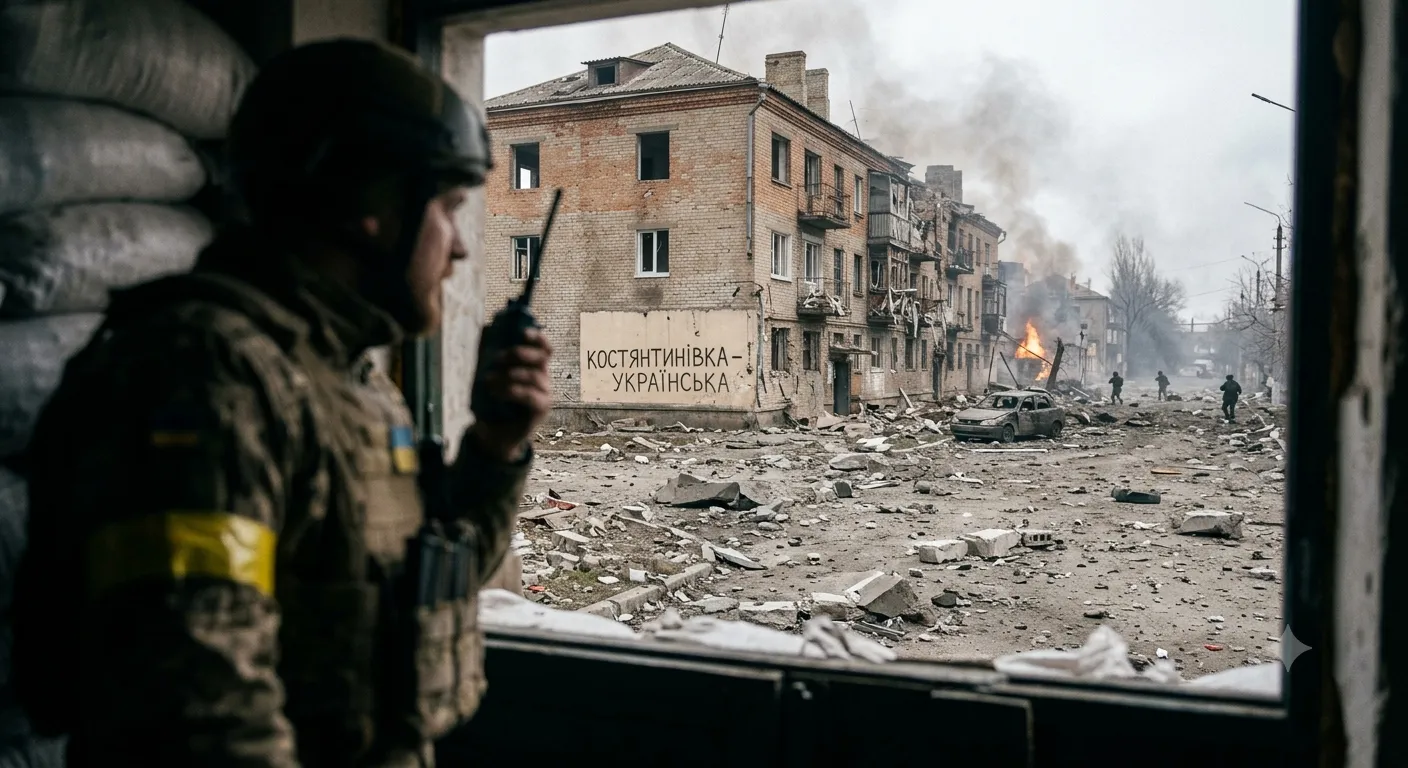
One of the main objectives identified by Ukrainian intelligence is Russia’s continued effort to gain control over the remaining Ukrainian-controlled territories in Donetsk and Luhansk regions.
Skibitskyi said the Kremlin wants to achieve the goals set by Russian President Vladimir Putin before considering a different course.
This means that Kyiv does not currently see the Russian military campaign as approaching a natural pause.
Instead, Ukrainian intelligence expects Russia to continue attempting to improve its position on the battlefield.
Autumn and Winter Could Bring More Infrastructure Attacks
The intelligence assessment also focuses on what Russia could target during the coming autumn and winter.
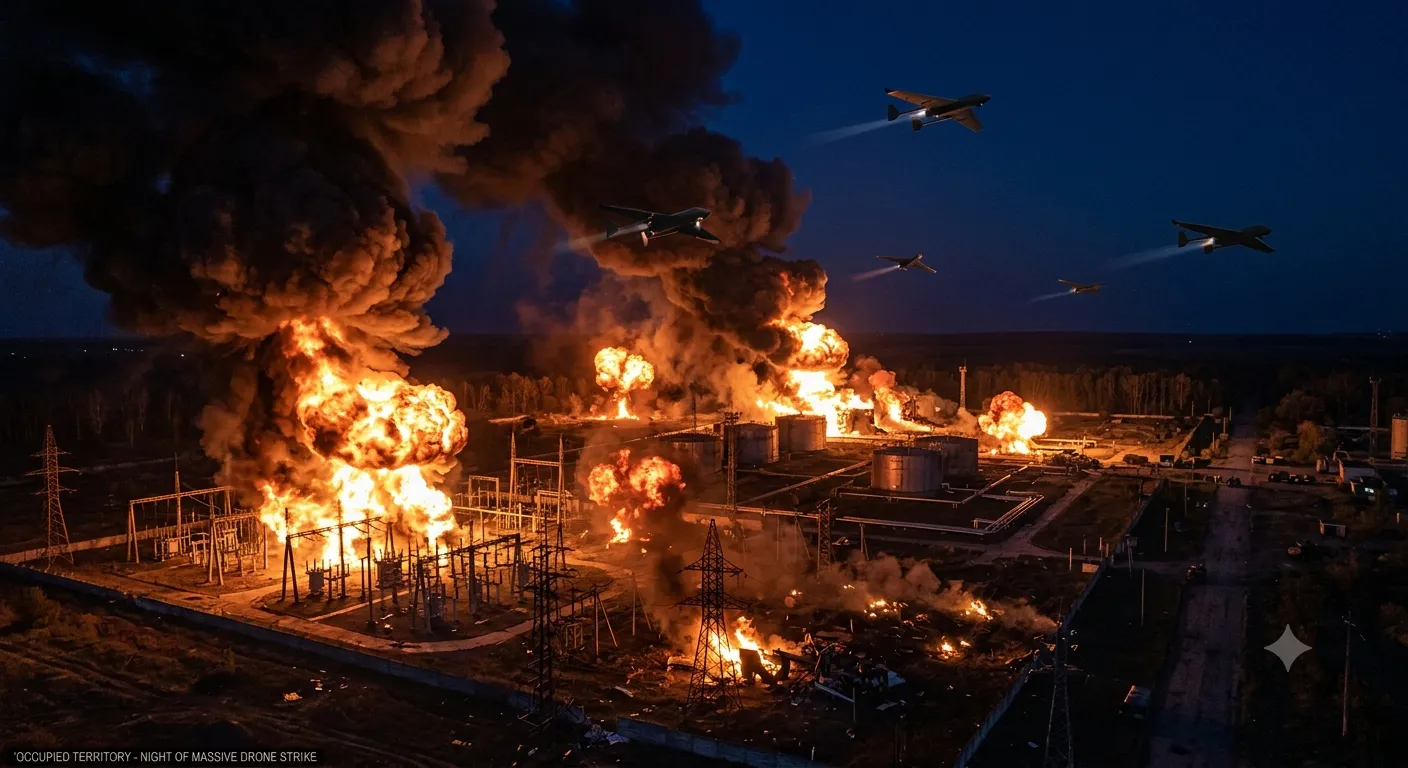
Skibitskyi said Russia is preparing capabilities for further attacks on critical infrastructure, including energy facilities.
Russian forces are also expected to maintain pressure on gas infrastructure and facilities involved in gas production. Ukrainian intelligence has identified areas in Poltava and Kharkiv regions as potential targets because Russia has already attacked energy-related infrastructure there.
Water infrastructure and logistics facilities could also face additional pressure.
Russia Has Developed New Tools for Infrastructure Attacks
According to the latest intelligence assessment, Russia is adapting its weapons for attacks against infrastructure.
Skibitskyi said Russian forces have developed a specialized unmanned aerial vehicle intended to damage electricity transmission infrastructure, including power poles and lines.
The development indicates that Russia is not relying exclusively on conventional missile strikes against energy facilities.
Instead, it is also looking for cheaper and specialized ways to disrupt critical infrastructure.
Bridges and Transport Infrastructure Could Also Be Targeted
Another area of concern is Ukraine’s transport network.
Skibitskyi said Russian forces have increasingly targeted important bridges in frontline regions, including Sumy, Kharkiv and Chernihiv regions.
He also pointed to repeated Russian attacks on bridges and transport infrastructure in the Odesa region.
The intelligence assessment is that Russia tends to target infrastructure when it becomes particularly important for Ukraine’s military or civilian logistics.
This creates an ongoing threat to transport routes connecting Ukrainian regions and supporting the movement of supplies.
No Current Signs of a New Northern Offensive
Despite the broader concerns, Ukrainian intelligence does not currently see indicators that Russia is preparing a new major offensive from northern Ukraine.
Skibitskyi said such an operation could theoretically take place, but the necessary Russian forces and indicators of preparation are not currently present.
This distinction is important because Russia has previously used northern directions to create additional pressure on Ukraine.
For now, however, Ukrainian intelligence does not assess a new large-scale northern offensive as an imminent development.
Russia Continues to Rely on Military Pressure
The intelligence assessment suggests that Moscow continues to view military pressure as the main way to pursue its objectives.
Russia’s position is also reflected in its continued production and use of long-range weapons and drones.
Ukraine has recently reported that Russia has accumulated thousands of attack drones while also adjusting its missile and drone production to exploit weaknesses in Ukrainian air defenses.
This indicates that the Kremlin continues to invest significant resources in maintaining its ability to strike Ukraine.
The War Could Continue Through the End of 2026
Skibitskyi’s assessment does not mean that a peace agreement is impossible in every scenario.
Rather, it reflects the current intelligence picture: Russia’s military plans and actions do not indicate an intention to stop the war before achieving its objectives.
That makes the remainder of 2026 potentially important for both the battlefield and Ukraine’s diplomatic efforts.
If Russia continues to pursue territorial gains and infrastructure attacks, Kyiv will likely remain focused on strengthening its military position while trying to increase international pressure on Moscow.
Ukraine Faces Another Difficult Winter
The prospect of further attacks on energy and other critical infrastructure is particularly significant as Ukraine approaches the winter of 2026–2027.
Russia has repeatedly used attacks on energy facilities as a way to create pressure on Ukrainian society during the colder months.
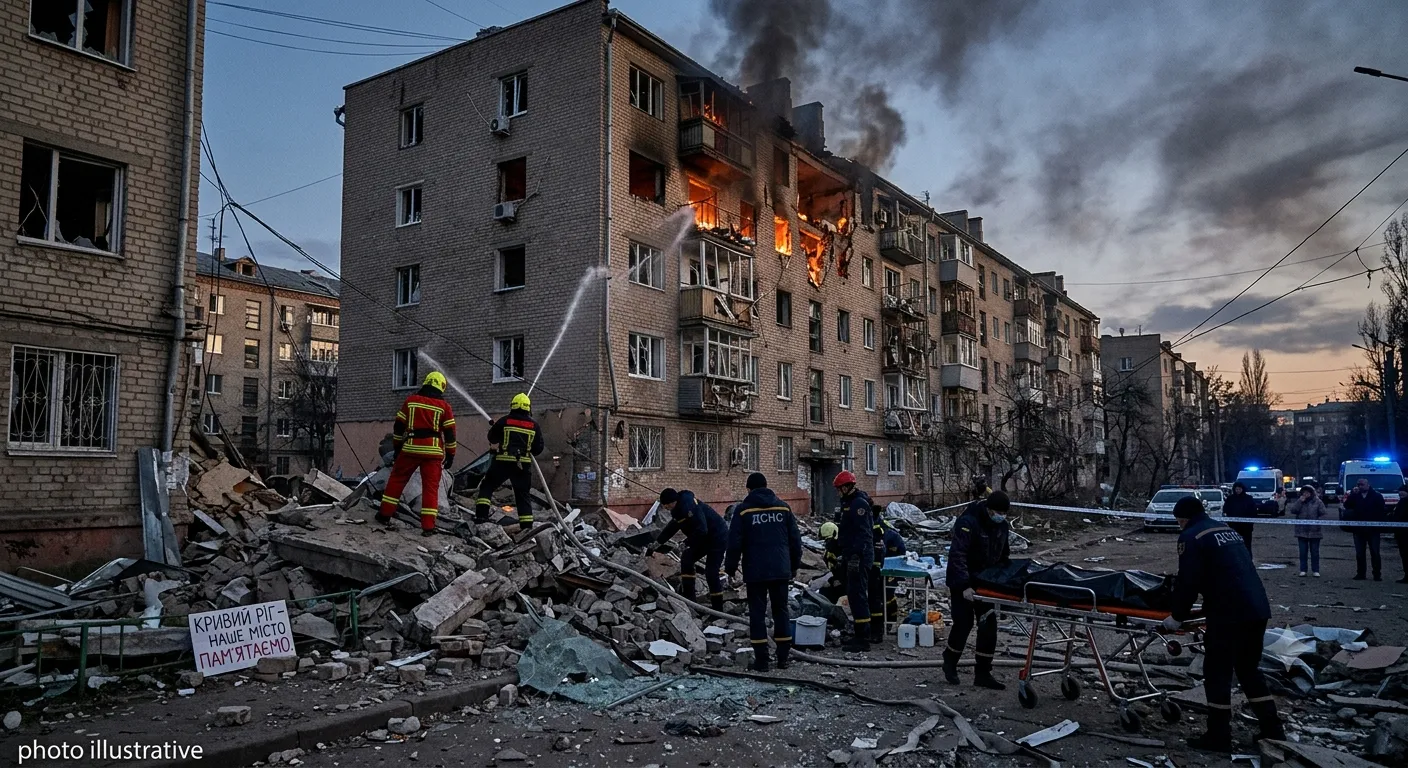
A campaign against electricity, gas, water and transport infrastructure could therefore affect not only military logistics but also civilian life and the Ukrainian economy.
For Ukraine, preparing for the coming winter will require maintaining air defenses, protecting critical facilities and ensuring alternative routes and supplies.
Intelligence Assessment Points to a Prolonged War
The latest assessment from Ukrainian intelligence presents a picture of a conflict that remains far from a negotiated settlement.
Russia continues to pursue territorial objectives, prepare long-range attacks and develop additional capabilities for striking Ukrainian infrastructure.
At the same time, Ukrainian intelligence does not currently identify signs of an imminent northern offensive, suggesting that the main Russian pressure remains concentrated on existing military objectives and long-range attacks.
For Kyiv and its international partners, the assessment reinforces the importance of preparing for continued military pressure rather than assuming that diplomatic contacts alone will lead to a rapid end to the war.
Russia’s current military posture, according to Ukrainian intelligence, does not point toward peace negotiations in the near future. With Moscow still pursuing territorial objectives and preparing new attacks on energy, gas, water and transport infrastructure, Ukraine is preparing for a prolonged conflict and another difficult autumn and winter.