Ukraine Accelerates Transport Infrastructure Modernization During Reconstruction


KEY TAKEAWAYS
- Ukraine continues investing in transport infrastructure despite wartime challenges.
- Modern railways, roads, and logistics corridors are essential for economic recovery.
- Reconstruction projects focus on resilience, efficiency, and European integration.
- Improved mobility is expected to strengthen trade, investment, and regional connectivity.
Transport infrastructure is becoming one of the foundations of Ukraine’s long-term recovery strategy. As reconstruction efforts continue, investments in railways, highways, bridges, logistics hubs, and border infrastructure are helping improve connectivity while supporting economic development, trade, and the movement of people and goods across the country.
Rebuilding Connections Across the Country
Modern transport networks are essential for every economy. They allow businesses to move products efficiently, connect communities, facilitate international trade, and improve access to public services.
Since the beginning of Russia’s full-scale invasion, parts of Ukraine’s transport infrastructure have suffered extensive damage. Reconstruction efforts therefore focus not only on repairing damaged roads and bridges but also on building infrastructure that is more resilient, efficient, and better prepared for future challenges.
Government agencies, engineering companies, and international partners continue working together to restore key transport corridors that support both domestic mobility and international commerce.
Railways Continue Playing a Strategic Role
Ukraine’s railway system remains one of the country’s most important transport assets.
Passenger trains continue connecting major cities while freight railways play a vital role in moving agricultural products, industrial goods, humanitarian supplies, and construction materials throughout the country and across international borders.
Investment in railway modernization includes upgrading tracks, stations, signaling systems, and operational technologies that improve safety and efficiency.
Transport specialists believe rail infrastructure will remain central to Ukraine’s economic development long after reconstruction is complete.
Modern Logistics Support Economic Growth
Efficient logistics are essential for competitive businesses.
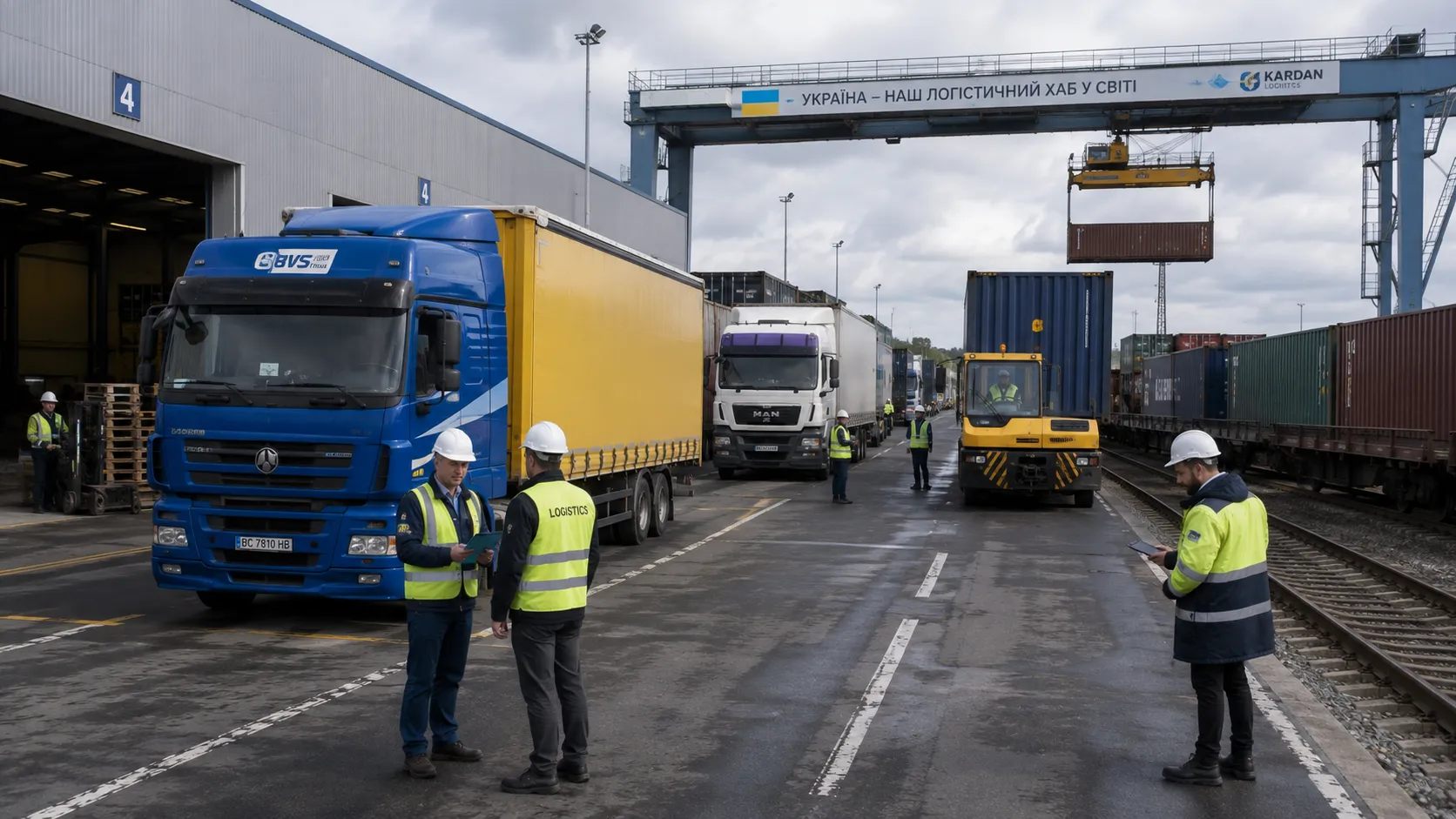
Ukraine continues improving freight transport, logistics hubs, customs infrastructure, and cross-border transport corridors that connect the country with European markets.
Modern logistics networks reduce delivery times, lower transportation costs, and improve supply chain reliability for manufacturers, exporters, retailers, and humanitarian organizations.
Business analysts note that stronger transport infrastructure directly supports investment by making commercial operations more predictable and efficient.
As international trade expands, logistics modernization is expected to become an increasingly important competitive advantage.
Infrastructure Built for the Future
Rather than simply restoring previous infrastructure, many reconstruction projects are designed using modern engineering standards.
New bridges, highways, railway facilities, and transport hubs increasingly incorporate digital technologies, improved safety standards, energy-efficient solutions, and climate resilience.
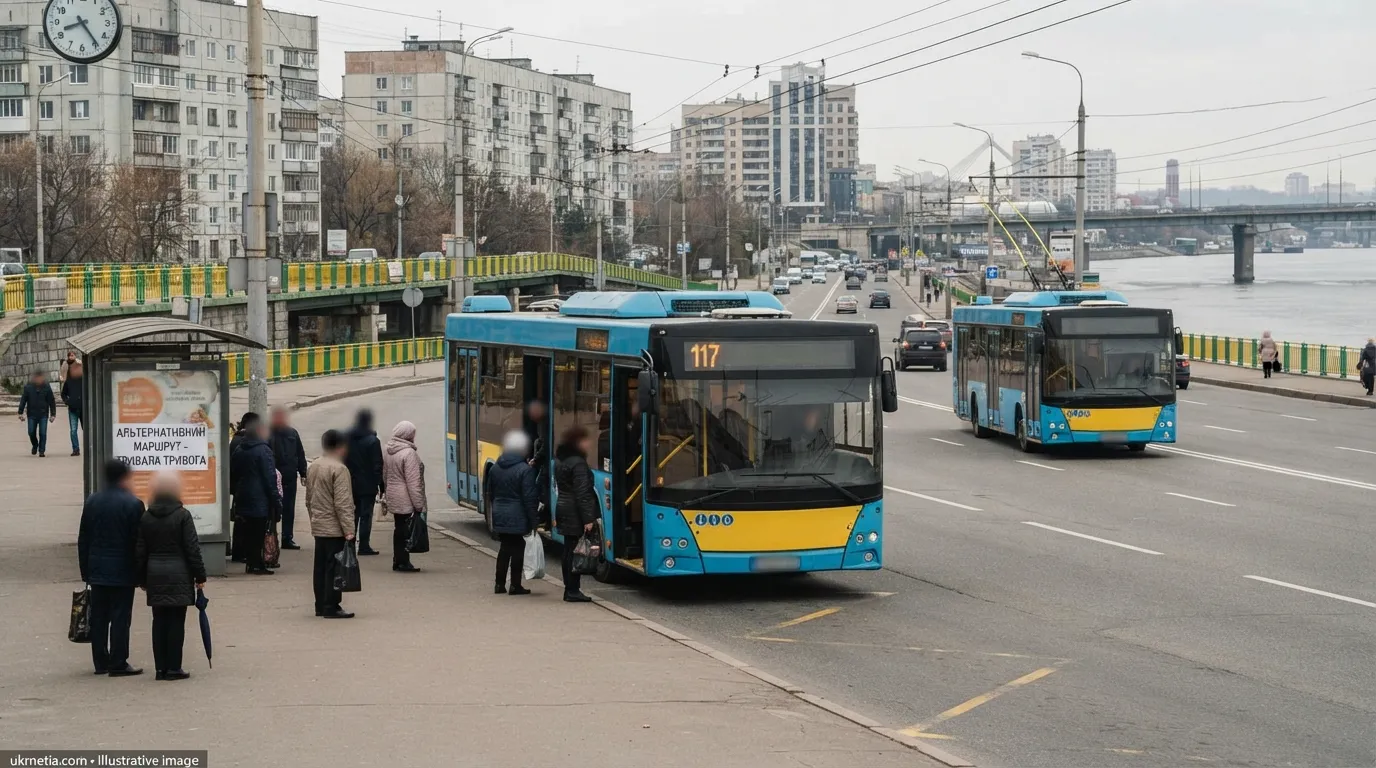
Infrastructure planners are also considering future mobility trends, including electric transport, smart traffic management, and integrated transport systems.
These investments aim to create a transport network capable of supporting Ukraine’s long-term economic growth and closer integration with European transport corridors.
Mobility as a Driver of Recovery
Reliable transport benefits nearly every aspect of society.
Businesses gain better access to markets, communities become more connected, emergency services respond more efficiently, and citizens enjoy greater mobility for work, education, and daily life.
Economists increasingly describe transport infrastructure as one of the strongest drivers of post-war reconstruction because it enables investment across virtually every sector of the economy.
As Ukraine continues rebuilding, mobility will remain one of the country’s most important strategic priorities.
WHY IT MATTERS
Transport infrastructure is more than roads and railways—it is the foundation of economic activity, trade, and regional development. Modern mobility networks help businesses grow, improve public services, strengthen international connectivity, and support long-term reconstruction. For Ukraine, investing in transport today means building the infrastructure needed for tomorrow’s economy.
WHAT’S NEXT?
Ukraine is expected to continue expanding infrastructure projects with support from domestic investment and international partners. Future priorities are likely to include railway modernization, smart logistics systems, safer highways, border infrastructure, and stronger integration with European transport networks.
RELATED TOPICS
- Transport Infrastructure
- Railways
- Logistics
- Reconstruction
- European Connectivity