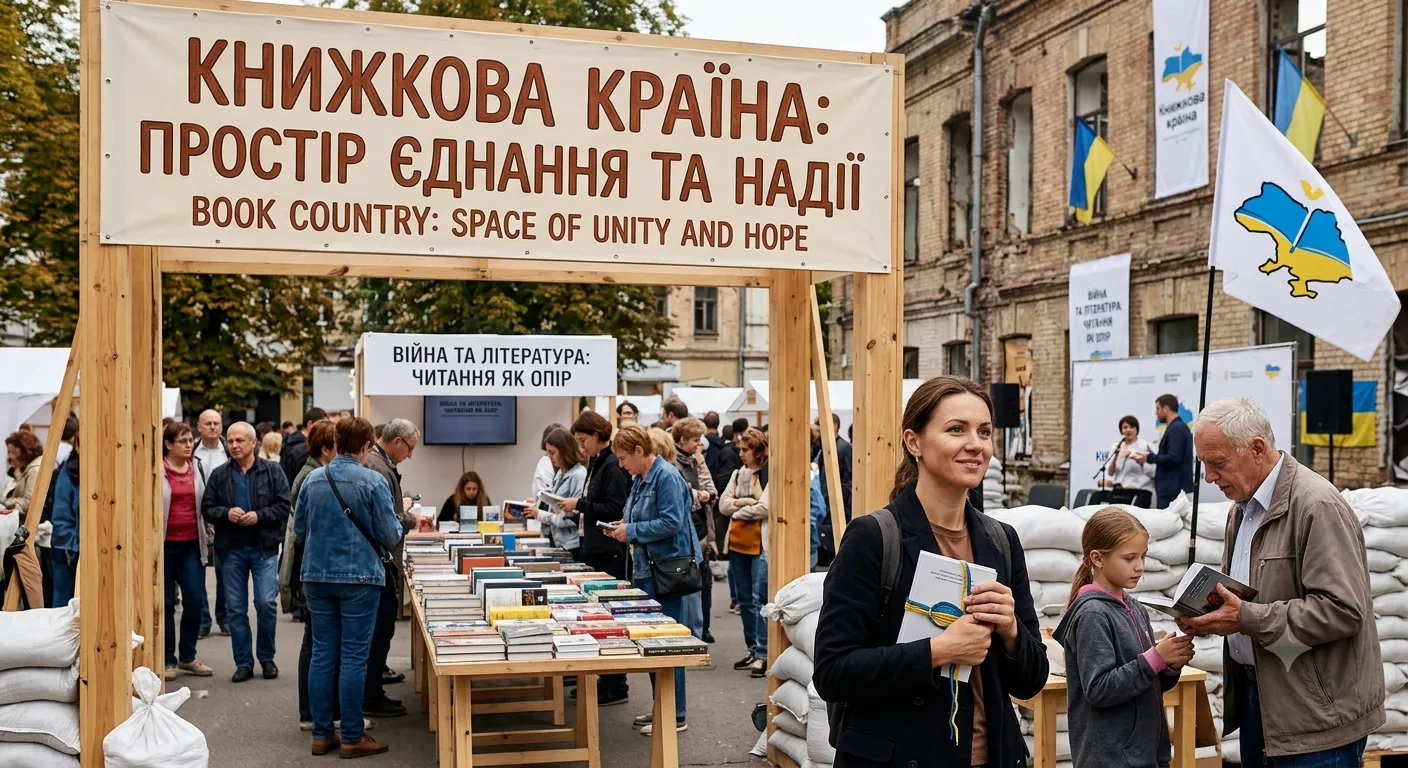
The Heartbeat of the Capital: How Art and Shared Memory Reclaimed Kyiv Day

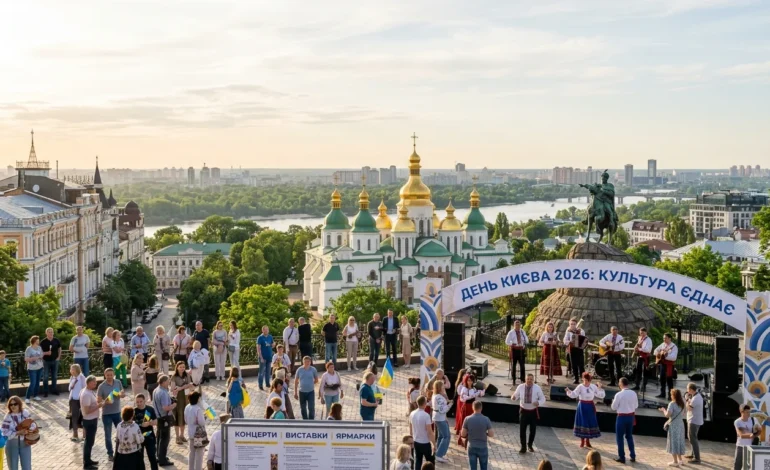
There is a distinct rhythm to Kyiv at the end of May. It is found in the sudden, heavy bloom of white and pink chestnut blossoms framing the ancient brick of the historic center, and in the golden sunlight refracting off the domes of Saint Sophia. This year, as the city marked its 1,544th anniversary on May 31, 2026, that rhythm transformed into something deeply resonant. For a capital navigating its fourth year of full-scale war, Kyiv Day was not merely a date on the calendar; it became a collective act of creative resistance.
Through a constellation of open-air gatherings, gallery openings, classical concerts, and theatrical revivals, the capital reinvented itself as a living cultural sanctuary. It was a weekend that proved that while a city’s infrastructure can be targeted, its cultural soul remains entirely unassailable.
Echoes of Masterpieces: The Museums and Galleries
The celebration’s artistic anchor was firmly planted within the city’s indoor spaces, where major exhibitions offered a contemplative sanctuary from the bustling streets. At the Kyiv City History Museum, crowds gathered for the monumental jubilee exhibition of Ukraine’s legendary artist, Ivan Marchuk, titled “I Shook This World”. The intricate, hyper-detailed lines of Marchuk’s signature “plentanism” technique seemed to echo the complex, interwoven layers of modern Ukrainian identity.
Meanwhile, at the Mykhailo Hrushevsky Museum, history was viewed through a deeply personal lens. The curator-led exhibition, “FAMOUS/IN THE FRAME/AT HOME: Kyiv and Kyivans in Mykola Ozerov’s Photos,” invited visitors to step back in time, bridging the gap between past and present generations who have walked these same hills.
“Looking at these archival photographs, you realize that Kyivans have always looked out at their river with the same quiet defiance,” remarked Olena, a 34-year-old museum visitor and displaced resident from eastern Ukraine. “Art reminds us that we are just the latest guardians of this ancient continuity.”
Streets Alive with Heritage and Melody
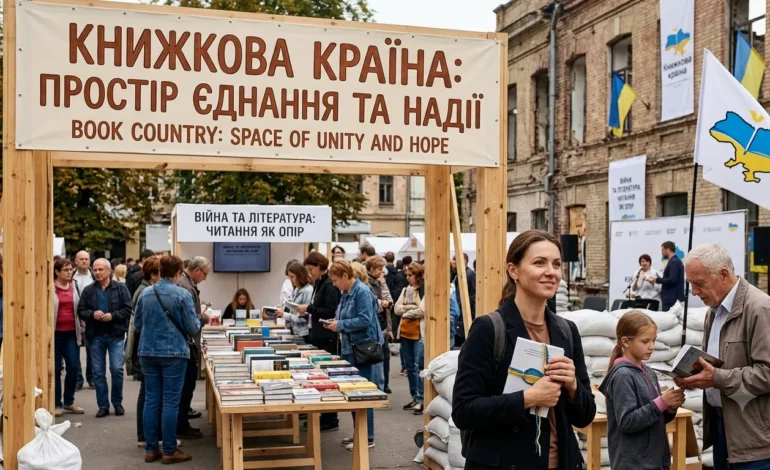
To step outside was to walk directly into a sensory tribute to Ukrainian roots. The historic slopes of Andriivskyi Descent and the courtyards of the Ivan Honchar Museum became the epicenter of traditional craftsmanship. The “Kobzar Trinity 2026” folk art fair and festival drew thousands of visitors eager to connect with tangible heritage. Master potters spun clay, wicker weavers showcased timeless household designs, and the resonant strumming of the bandura filled the air as folk ensembles performed.
Music also took on more intimate, acoustic forms across the city to honor safety restrictions while maintaining community spirit. Rather than massive, amplified stadium shows, public squares like Mykhailivska and Volodymyrska Hill were punctuated by street musicians and chamber ensembles. At the Pavlo Tychyna Apartment Museum, the local ensemble “Dyvogray” performed a deeply moving vocal program titled “To You, My Kyiv!”, filling the intimate venue with traditional folk polyphony that brought many in the audience to tears.
The Stage as a Mirror to the Soul
Kyiv’s independent and state theaters met the moment with performances that spoke directly to the contemporary human condition. Small, independent theater spaces and grand halls alike reported packed houses over the festive weekend. Playwrights and actors used their craft not as an escape from reality, but as a safe container to process it.
“Theater during a time of war ceases to be mere entertainment,” noted an independent theater director during an impromptu talkback session after a performance near Kontraktova Square. “It becomes a space for shared catharsis. When the audience laughs together or cries together in the dark, the isolation of individual trauma evaporates. We remember that we are a collective whole.”
A Purpose-Driven Celebration
What distinguished Kyiv Day 2026 from the pre-war era was its profound sense of shared mission. The celebrations seamlessly blended art with civic duty, acting as a massive engine for charity. The iconic annual “Run Under the Chestnut Trees” adapted to the realities of martial law by running in a hybrid, decentralized format. Thousands of locals walked or ran five kilometers through the city’s parks, while thousands more displaced Kyivans and international allies joined virtually from abroad, raising millions of hryvnias to purchase life-saving equipment for the Center for Pediatric Cardiology and Cardiac Surgery.
Every craft purchased at a fair, every ticket bought for a concert, and every donation box placed at a gallery entrance served a dual purpose: keeping the local creative economy alive while channeling critical resources directly to the frontlines and volunteer medical networks.
The Indestructible Thread of Culture
As the sun set over the Dnipro River on the final evening of May, bathing the city in a warm, amber glow, street musicians played their final chords against the distant hum of the capital. Kyiv Day 2026 demonstrated that cultural gatherings are far from a luxury in challenging times—they are essential infrastructure for the human spirit.
By gathering to look at paintings, listen to poetry, and support one another through charity, the people of Kyiv did more than just celebrate their city’s long history. They wove new threads into its indestructible fabric, ensuring that the memory, identity, and vibrant life of the capital remain fiercely alive for generations to come.