Russian Attack Destroys UNICEF Humanitarian Warehouse in Kyiv Region

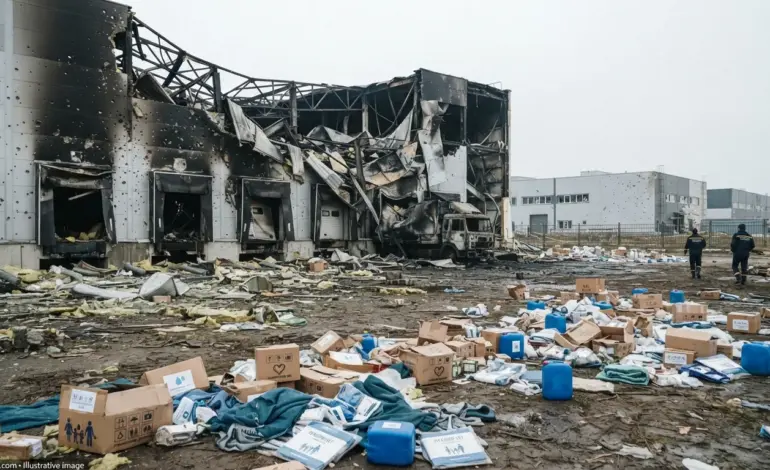

- A UNICEF-contracted humanitarian warehouse in Chubynske, Kyiv region, was destroyed during an attack on August 27.
- The warehouse contained essential humanitarian supplies intended for children and families affected by the war.
- UNICEF said the destruction will make it more difficult to deliver vital assistance to vulnerable people, particularly with another winter approaching.
- Ukrainian authorities reported that attacks on the Kyiv region over two days damaged numerous warehouses and residential buildings and caused casualties.
- The incident follows a separate July attack that severely damaged a UNICEF-contracted warehouse in Bilohorodka and destroyed humanitarian supplies worth an estimated $3.9 million.
A UNICEF-contracted humanitarian warehouse in Chubynske, Kyiv region, was destroyed during a Russian attack on August 27, wiping out supplies intended for children and families affected by the war. UNICEF warned that the loss will hinder the delivery of vital assistance to vulnerable Ukrainians as the country prepares for another difficult winter.
UNICEF Warehouse Destroyed in Kyiv Region
The United Nations Children’s Fund has reported the destruction of a warehouse containing humanitarian supplies in Kyiv region.
The facility was located in Chubynske, near Kyiv, and was contracted for use by UNICEF.
According to the organization, the warehouse was hit during an attack on August 27.
Humanitarian Supplies Were Destroyed
The warehouse contained supplies intended to support Ukrainian children and families affected by the war.
UNICEF described the items as life-saving humanitarian supplies.
The organization said their destruction would make it more difficult to provide essential assistance to some of Ukraine’s most vulnerable people.
UNICEF Warns of Problems Ahead of Winter
The timing of the attack is particularly concerning for humanitarian organizations.
Ukraine is approaching another winter while millions of people remain affected by the consequences of Russia’s full-scale invasion.
UNICEF said the destruction could impede the delivery of vital assistance, especially ahead of another harsh winter.
The Exact Contents of the Destroyed Warehouse
UNICEF has not yet published a detailed inventory or financial estimate for the supplies lost at the Chubynske warehouse.
The organization has confirmed that critical humanitarian stocks for children and families were destroyed.
The full scale of the material loss is therefore still being assessed.
The Warehouse Was Part of a Humanitarian Supply Network
Humanitarian warehouses allow organizations such as UNICEF to pre-position essential supplies before they are distributed to communities.
This is especially important in Ukraine, where deliveries to frontline and heavily affected areas can be difficult and dangerous.
Losing a warehouse therefore affects not only the facility itself but the wider humanitarian logistics chain.
Why Humanitarian Warehouses Matter
UNICEF supplies can include equipment and materials needed to support children and families during emergencies.
Depending on the programme, humanitarian logistics can involve water and sanitation supplies, hygiene materials, emergency equipment and other essential items.
The organization maintains stocks so assistance can be delivered quickly when communities need it.
Another UNICEF Warehouse Was Hit in July
The Chubynske incident is not the first recent attack affecting UNICEF’s humanitarian logistics in Kyiv region.
On July 19, another UNICEF-contracted warehouse in Bilohorodka was severely damaged during Russian attacks.
That attack destroyed a large quantity of humanitarian supplies.
July Losses Were Estimated at $3.9 Million
At the time of the July attack, UNICEF said the Bilohorodka warehouse contained more than 106,000 humanitarian items with an estimated value of approximately $3.9 million.
The supplies included generators, drinking water, hygiene kits and water-storage tanks.
Those supplies were particularly important for communities near the front line and for preparations ahead of winter.
Two Warehouse Attacks in One Summer
The destruction of the Chubynske warehouse means that UNICEF’s humanitarian logistics have now been affected by at least two major attacks in the Kyiv region during the summer of 2026.
The repeated damage creates additional pressure on an already complex humanitarian supply system.
The Latest Attack Came During a Wider Assault
The destruction of the UNICEF warehouse occurred during a broader wave of Russian attacks on Kyiv region.
Ukrainian authorities reported extensive damage to warehouses, private homes, apartment buildings and vehicles over August 27–28.
The attacks affected several districts of the region.
At Least One Person Was Killed
According to Ukrainian regional authorities cited by Ukrinform, one person was killed and four others were injured in attacks on Kyiv region over the two-day period.
The attacks also caused extensive property damage.
Warehouses Were Among the Main Targets of the Damage
Ukrainian authorities reported damage to 17 warehouse facilities during the two days of attacks.
The figure illustrates the scale of the impact on the region’s logistics infrastructure.
The damage was not limited to humanitarian facilities.
Civilian Logistics Infrastructure Was Hit Across Kyiv Region
Other warehouse and distribution facilities belonging to Ukrainian businesses were also damaged during the attacks.
The affected infrastructure included facilities used by major retailers and logistics companies.
This has created additional pressure on Ukraine’s civilian supply chains.
Humanitarian Logistics Face a Different Challenge
Commercial companies can potentially rent alternative warehouses or redirect inventory.
Humanitarian organizations face additional constraints because their supplies are often procured specifically for vulnerable populations and distributed according to humanitarian programmes.
Replacing lost stocks can take time and requires additional funding.
The Loss Could Affect Aid Delivery
The most important consequence of the warehouse’s destruction is not the building itself.
It is the possibility that children and families who depend on humanitarian assistance may have to wait longer for supplies.
UNICEF specifically warned that the attack impedes the delivery of vital support.
Winter Makes the Situation More Urgent
Winter creates additional humanitarian needs in Ukraine.
Cold temperatures increase demand for heating assistance, generators, water infrastructure and other emergency supplies.
Damage to humanitarian stocks before winter therefore creates an additional logistical challenge.
Children Are Particularly Vulnerable
Children remain among the groups most affected by Russia’s war.
They can face displacement, interrupted education, damage to homes and schools, shortages of basic services and psychological trauma.
Humanitarian organizations such as UNICEF focus specifically on helping children and their families cope with these conditions.
UNICEF Continues Working in Ukraine
Despite repeated attacks, UNICEF continues operating its humanitarian programmes across Ukraine.
The organization works with Ukrainian authorities and local partners to provide assistance to children and families affected by the war.
The loss of one warehouse does not mean that humanitarian operations stop, but it can make them more difficult.
The Organization Will Need Alternative Supplies
Following the destruction, UNICEF will need to rely on other warehouses and supply routes.
Humanitarian organizations typically maintain distributed logistics systems precisely because individual facilities can be damaged.
However, repeated attacks can reduce the amount of backup capacity available.
The July Attack Already Demonstrated the Problem
After the Bilohorodka warehouse was hit in July, UNICEF warned that damage to humanitarian warehouses and attacks on humanitarian workers were disrupting the delivery of life-saving assistance.
The latest incident demonstrates that the problem has not disappeared.
Humanitarian Infrastructure Should Be Protected
UNICEF has repeatedly emphasized the need to protect humanitarian facilities and children.
After the July attack, the organization called for attacks to stop and for humanitarian infrastructure to be protected.
The destruction of another warehouse has renewed those concerns.
The Facility Was Not a Military Target
The warehouse was being used to store humanitarian supplies for children and families.
Its purpose was humanitarian rather than military.
The destruction therefore directly affects the ability of an international humanitarian organization to deliver assistance.
The Broader Humanitarian Situation
The attack comes at a time when humanitarian needs in Ukraine remain substantial.
Millions of people have been affected by displacement, infrastructure damage and the continuing war.
Children in frontline areas face particularly difficult conditions.
Humanitarian Aid Is Often Pre-Positioned
One reason warehouses are important is that aid cannot always be delivered immediately from abroad or from central procurement facilities.
Supplies are often moved into regional warehouses first.
They can then be distributed quickly to communities when required.
Losing Stocks Means Losing Time
When supplies are destroyed, replacing them requires procurement, transportation and storage.
Even if replacement goods can eventually be obtained, the process can create delays.
For families requiring urgent assistance, those delays matter.
The Attack Also Increases Costs
Replacing destroyed humanitarian supplies costs money.
Transporting replacement goods and establishing alternative storage facilities can add further expenses.
That means attacks on humanitarian logistics can reduce the amount of resources available for direct assistance.
Kyiv Region Has Become a Major Logistics Hub
The Kyiv region contains extensive warehouse and distribution infrastructure.
Its location makes it an important gateway for supplies entering and moving through central Ukraine.
That also means that attacks on the region can disrupt both commercial and humanitarian logistics.
The Humanitarian Dimension Is Different From Commercial Losses
The destruction of a retailer’s warehouse may lead to financial losses and supply delays.
The destruction of a humanitarian warehouse can have a more direct effect on vulnerable people who may have no alternative source of assistance.
This distinction makes the latest UNICEF incident particularly significant.
The International Community Is Supporting Ukraine
UNICEF is part of a much larger international humanitarian effort in Ukraine.
The United Nations and other organizations continue providing assistance to communities affected by the war.
Their work depends on functioning logistics, safe access and adequate supplies.
Attacks Create a Second Humanitarian Problem
The original attack may destroy homes or infrastructure.
The destruction of humanitarian stocks then creates another problem: reducing the resources available to help the people affected by those attacks.
This can create a cycle in which humanitarian needs increase while the capacity to respond is simultaneously damaged.
Children Remain at the Center of UNICEF’s Work
UNICEF’s primary focus is children.
The organization has warned repeatedly about the impact of the war on Ukrainian children, including deaths, injuries and disruptions to essential services.
The loss of humanitarian supplies makes that work more difficult.
The Organization Has Not Given a Full Damage Estimate
Unlike the July Bilohorodka warehouse, for which UNICEF estimated the value of the stored supplies, the organization has not yet announced a comparable figure for Chubynske.
The full inventory and financial impact remain unclear.
It would therefore be premature to estimate the total value of the latest loss.
What Is Known
UNICEF has confirmed that its contracted warehouse in Chubynske was hit during the August 27 attack and that humanitarian supplies for children and families were destroyed.
The organization says the loss will hinder the delivery of vital assistance.
What Remains Unknown
UNICEF has not specified the exact weapon used in the strike or published a complete list and value of the destroyed supplies.
It has also not stated publicly how much replacement stock is available at other locations.
These details may emerge as the organization assesses the damage.
The Attack Comes at a Difficult Time
Ukraine is approaching another winter with extensive humanitarian needs.
The loss of emergency supplies and logistical capacity therefore comes at a particularly sensitive moment.
Organizations will need to replenish stocks and ensure alternative distribution routes are available.
The Bigger Picture
The destruction of the UNICEF warehouse is part of a wider pattern of damage to civilian logistics infrastructure in Kyiv region.
But its consequences go beyond economics.
A humanitarian warehouse exists specifically to help people who have already been affected by war.
When those supplies are destroyed, the ability to respond to future needs is weakened.
A Second Warning for Humanitarian Operations
The July and August attacks show how vulnerable humanitarian logistics can be even away from Ukraine’s immediate front lines.
Kyiv region is hundreds of kilometers from much of the active ground fighting, yet warehouses there remain exposed to Russian long-range attacks.
Humanitarian Operations Must Continue
Despite the loss, UNICEF and its partners are expected to continue supporting Ukrainian children and families.
The challenge will be to replace destroyed supplies, redirect deliveries and maintain sufficient stocks before winter.
Why This Matters to Ukrainian Families
For families affected by war, humanitarian assistance can mean access to basic necessities that would otherwise be difficult to obtain.
The destruction of these supplies can therefore have consequences far beyond the warehouse itself.
What Happens Next
UNICEF will need to assess the damage and reorganize its logistics in the region.
Alternative stocks may need to be moved closer to affected communities.
Additional international resources may also be required to replace what was destroyed.
A Humanitarian Warehouse Is More Than a Building
The destroyed facility represented a link between international humanitarian support and Ukrainian families.
Inside were supplies intended to become direct assistance to people facing the consequences of war.
Their destruction interrupts that chain.
The Cost Will Be Felt Beyond Kyiv Region
The supplies stored in a regional warehouse may have been intended for distribution to communities in different parts of Ukraine.
The loss can therefore affect humanitarian operations well beyond Chubynske itself.
The destruction of a UNICEF-contracted warehouse in Chubynske is another blow to Ukraine’s humanitarian response.
Critical supplies intended for children and families affected by the war were destroyed during the August 27 attack, and UNICEF warned that the loss will make it harder to deliver vital assistance to vulnerable people as winter approaches.
The incident also follows the July destruction of humanitarian supplies worth an estimated $3.9 million at another UNICEF-contracted warehouse in Bilohorodka.
For Ukraine, the significance of these attacks extends beyond damaged buildings and financial losses. Every destroyed humanitarian shipment represents assistance that may no longer reach a child or family who needs it.