Human Rights Watch Urges U.S. Congress to Block Turkey’s Proposed Cluster Munitions Transfer to Ukraine

KEY TAKEAWAYS
- Human Rights Watch is urging the U.S. Congress to block Turkey’s proposed transfer of U.S.-origin cluster munitions to Ukraine.
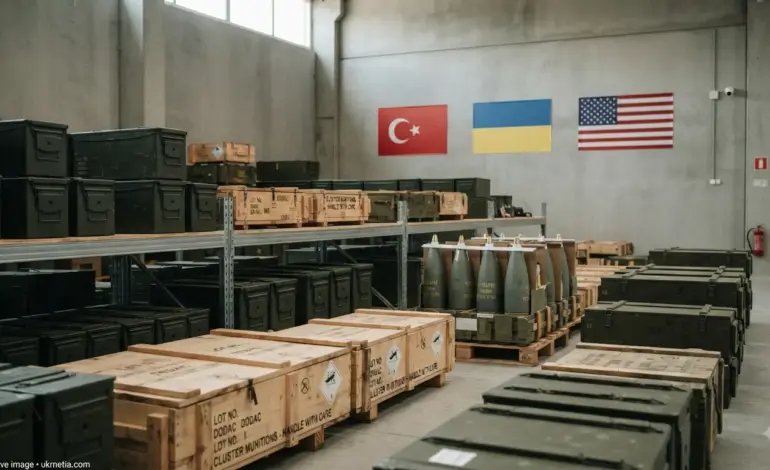
- The proposed $256 million deal reportedly includes 70 M39 ATACMS missiles, 2,524 M26 rockets and 47,000 M509A1 artillery projectiles containing more than 10 million submunitions.
- The United States has notified Congress that it is prepared to authorize the transfer, but the deal still requires the U.S. approval process to be completed.
- Human Rights Watch argues that the decades-old ammunition could pose a long-term danger to civilians because unexploded submunitions can remain hazardous after fighting ends.
Human Rights Watch has called on the U.S. Congress to block a proposed transfer of tens of thousands of cluster munitions from Turkey to Ukraine, warning that the aging weapons could create serious and lasting risks for civilians. The proposed deal requires U.S. authorization because the ammunition was originally produced under American licenses or supplied by the United States.
What Is in the Proposed Deal?
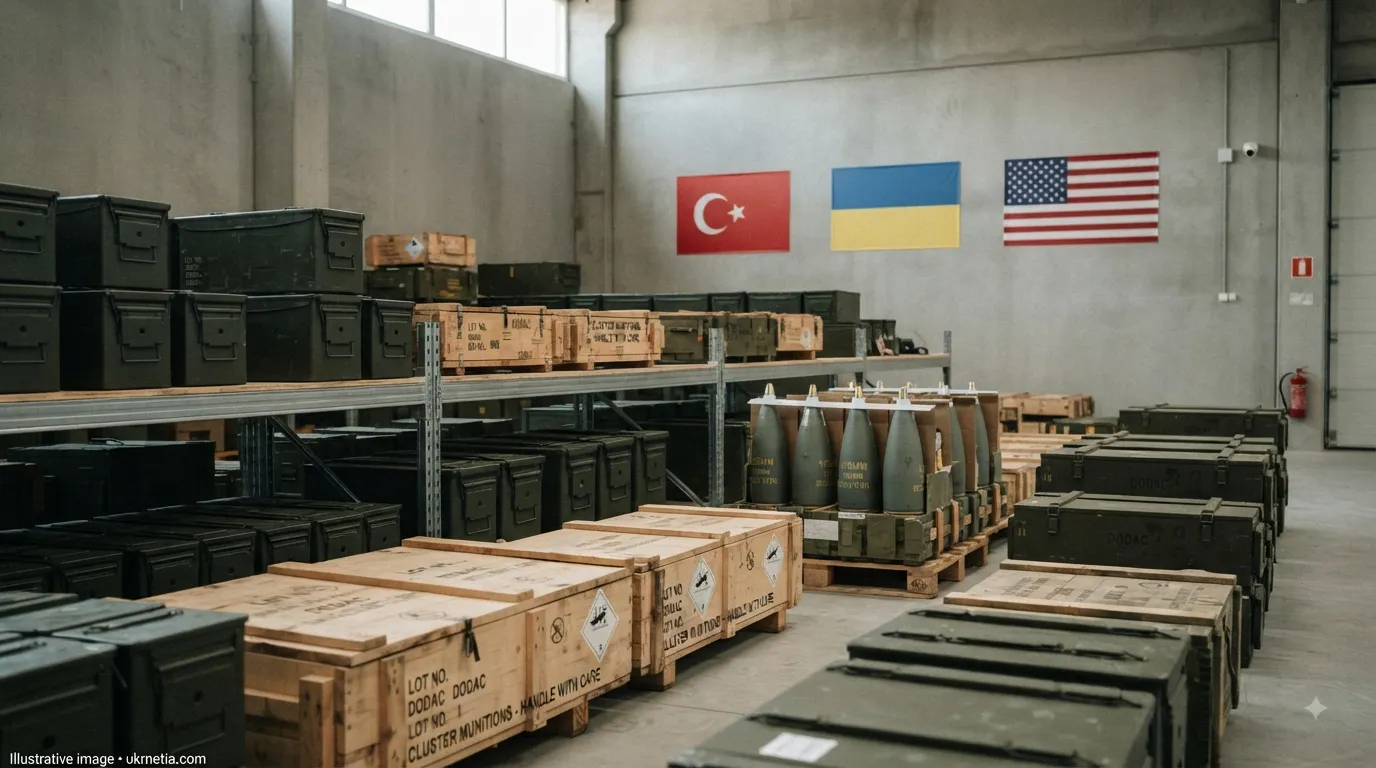
According to Human Rights Watch, Turkey has asked Washington for permission to transfer its stocks of U.S.-origin cluster munitions to Ukraine as part of a broader $256 million military deal.
The package reportedly includes 12 M270 multiple-launch rocket systems alongside three categories of cluster munitions: 70 M39 ATACMS missiles, 2,524 M26 rockets and 47,000 M509A1 artillery projectiles. Together, the weapons contain more than 10 million individual submunitions.
The weapons have been stored in Turkish arsenals for decades. Some were produced in Turkey under U.S. licenses beginning in 1987, while much of the artillery ammunition was removed from U.S. service in the 1990s.
Why Does Washington Have to Approve the Transfer?
Although the weapons are currently held by Turkey, their original U.S. connection means Ankara cannot simply transfer them to another country without Washington’s permission.
In a notification submitted to Congress on August 6, the U.S. State Department said the administration was prepared to authorize the transfer.
Turkey says the proposed sale would allow it to reduce older stocks and redirect resources toward modernization and maintenance of its armed forces.
Congress now has an opportunity to review the proposed arrangement.
Human Rights Watch Opposes the Transfer
Human Rights Watch argues that transferring old cluster munitions into an active war zone would create a foreseeable humanitarian risk.
The organization points specifically to the age and reliability of the ammunition. Cluster weapons release numerous smaller submunitions across a wide area, and unexploded remnants can remain dangerous long after fighting has ended.
Human Rights Watch says this long-term civilian danger was one of the reasons more than 100 countries joined the Convention on Cluster Munitions, which prohibits the use, production, transfer and stockpiling of the weapons for its states parties.
Ukraine and the United States Are Not Parties to the Convention
The political and legal situation is complicated by the fact that Ukraine, the United States, Russia and Turkey are not parties to the Convention on Cluster Munitions.
That means the proposed transfer is not prohibited by that treaty in the same way it would be for countries that have ratified it.
The United States has previously supplied cluster munitions to Ukraine. Human Rights Watch notes that the Biden administration authorized multiple transfers during 2023 and 2024 despite longstanding restrictions in U.S. defense policy.
Why Ukraine Wants the Ammunition
For Ukraine, the proposed transfer comes amid an intense artillery war in which ammunition shortages and Russian numerical advantages remain major concerns.
Cluster munitions can cover a larger area than conventional artillery rounds and can therefore be particularly useful against concentrations of troops and equipment.
The U.S. notification to Congress reportedly states that Ukraine wants the weapons to strengthen both its offensive and defensive artillery capabilities against Russia.
The proposal also comes as Ukraine continues seeking ways to compensate for Russia’s larger ammunition stocks and manpower resources.
A Controversial Military Trade-Off
The debate illustrates one of the most difficult dilemmas surrounding military assistance to Ukraine.
For Kyiv, additional ammunition could provide an immediate battlefield advantage against Russian forces. For humanitarian organizations, however, the long-term consequences of using cluster munitions are particularly serious because unexploded submunitions can remain dangerous to civilians for years.
Human Rights Watch is therefore asking Congress to reject the proposed transfer rather than allow Turkey to send its aging stocks to Ukraine.
The final decision now rests with the U.S. authorization process and the response of Congress.