Ukraine Turns to Alternative Grain Export Routes as Black Sea Attacks Disrupt Trade

KEY TAKEAWAYS
- Ukraine is expanding rail, road, and Danube River export routes as Russian attacks disrupt Black Sea shipping.
- Alternative routes are expected to handle only about half of the lost export capacity until at least late August.
- Russian strikes on ports and shipping infrastructure are increasing costs for farmers and exporters.
- The disruption could affect global grain supplies and food prices.
Ukraine is accelerating the use of alternative export corridors after intensified Russian attacks on Black Sea ports disrupted one of the country’s most important trade routes. While rail links, road transport, and Danube River ports are helping keep grain exports moving, officials say these routes cannot yet fully replace maritime shipments from Odesa.
Black Sea Disruptions Hit Agricultural Trade
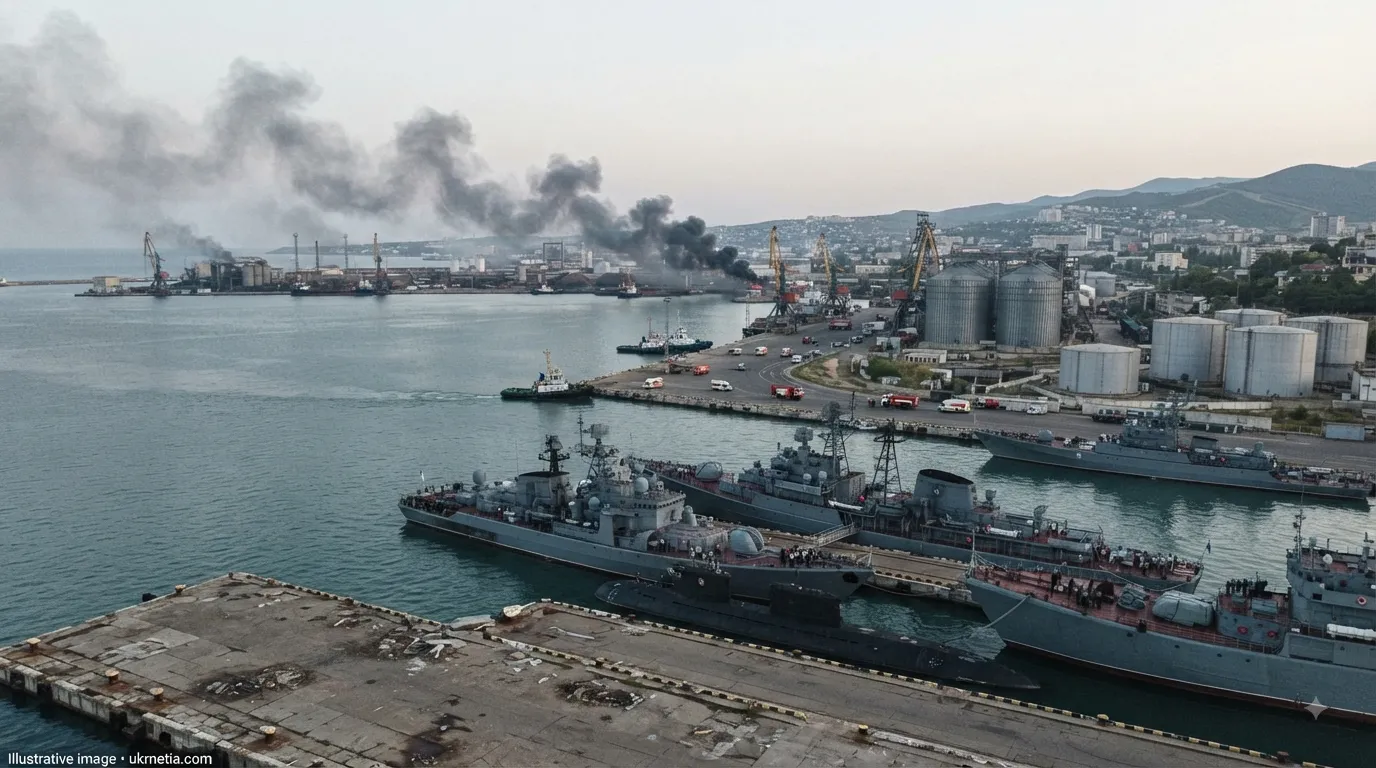
Russian strikes on Ukrainian ports, grain terminals, and commercial shipping have significantly affected agricultural exports during the peak harvest season.
Ukraine’s agriculture ministry estimates that alternative transport corridors will not reach sufficient capacity until the end of August and, even then, will handle only around half of the export volume previously shipped through Black Sea ports.
Danube and Rail Routes Become Critical
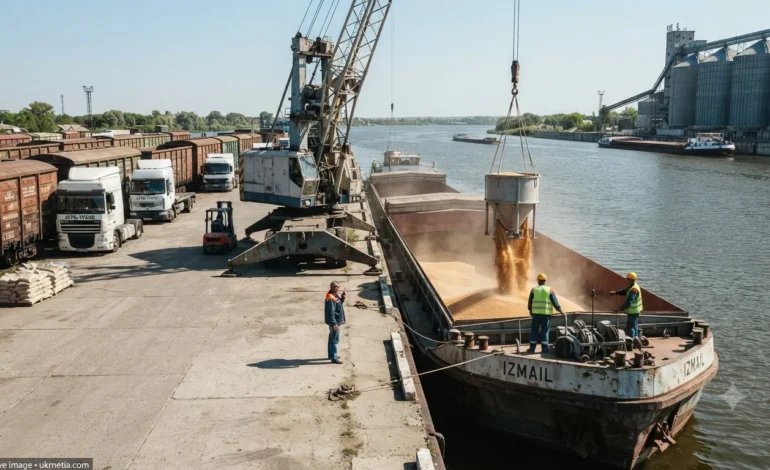
To maintain exports, Ukraine is increasingly relying on Danube River ports, rail connections to European Union countries, and road freight.
These routes provide an important lifeline for farmers, but they are more expensive and less efficient than traditional maritime exports through Odesa, creating additional financial pressure across the agricultural sector.
Farmers Face Growing Financial Pressure
Officials estimate that continued disruption of Black Sea exports could result in agricultural losses ranging from $1.5 billion to $3 billion.
Lower domestic grain prices, higher transportation costs, and delays in reaching international markets are reducing revenues for producers during one of the year’s busiest export periods.
Global Markets Watching Closely
Ukraine remains one of the world’s leading exporters of wheat, corn, barley, and sunflower products.
Analysts warn that prolonged disruptions to Black Sea shipping could tighten global grain supplies, increase transportation costs, and contribute to higher food prices in import-dependent countries across Africa, the Middle East, and Asia.