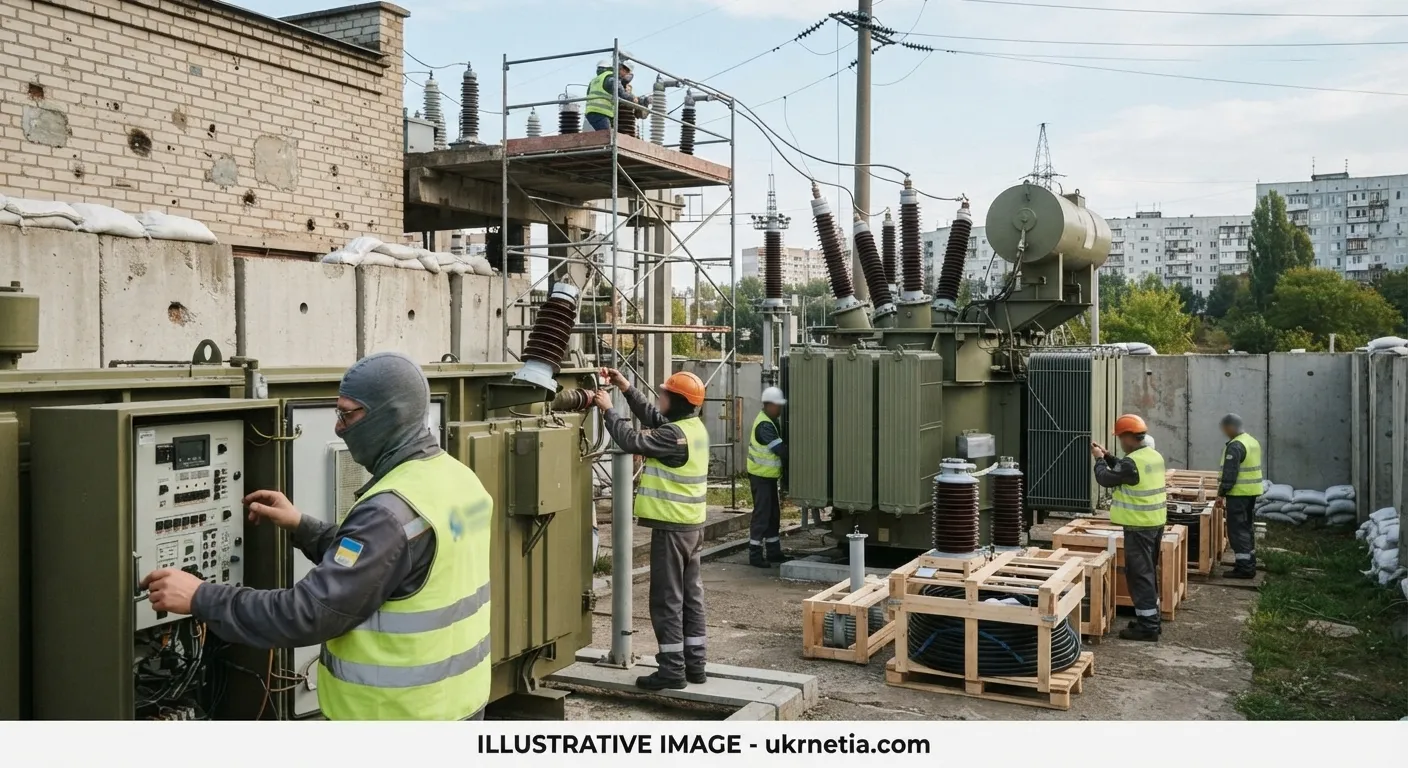
The Rise of Volunteer Networks That Keep Ukraine Moving


KEY TAKEAWAYS
- Volunteer networks remain a vital part of Ukraine’s daily life.
- Civil society has developed highly organized grassroots initiatives.
- Volunteers support humanitarian aid, logistics, healthcare, and reconstruction.
- Community engagement continues to strengthen Ukraine’s long-term resilience.
Across Ukraine, volunteer organizations have become an essential part of everyday life. From delivering humanitarian aid and supporting hospitals to rebuilding homes and helping displaced families, thousands of volunteers continue filling critical gaps while strengthening communities across the country. Their work has evolved into one of the defining features of modern Ukrainian society.
From Grassroots Initiatives to National Networks
When Russia launched its full-scale invasion, countless Ukrainians responded by helping their neighbors, collecting supplies, and organizing local support efforts. What began as spontaneous acts of solidarity quickly developed into extensive volunteer networks operating across the country.
Today, these organizations coordinate humanitarian assistance, transportation, medical supplies, emergency accommodation, fundraising campaigns, and countless other services that support millions of people.
Many volunteer groups operate independently, while others work closely with local authorities, charities, businesses, and international humanitarian organizations.
Their flexibility allows them to respond quickly as community needs evolve.
Supporting Communities Every Day
Volunteer work in Ukraine extends far beyond emergency response.
Across cities, towns, and villages, volunteers regularly assist elderly residents, deliver food and medicine, organize educational activities for children, support hospitals, and help families rebuilding their homes.
Community centers frequently serve as local hubs where volunteers coordinate donations, distribute essential supplies, and organize social support programs.
These everyday activities help strengthen local resilience while reducing social isolation for vulnerable groups.
Many residents now view volunteer organizations as trusted partners within their communities.
Technology Helps Volunteers Work Faster
Digital tools have transformed how volunteer organizations coordinate their activities.
Messaging applications, online fundraising platforms, digital maps, and logistics software allow thousands of volunteers to communicate efficiently and respond rapidly to changing situations.
Social media also plays an important role by connecting donors with local initiatives and helping organizations recruit new volunteers.
The combination of digital technology and community engagement has enabled volunteer networks to operate with remarkable speed and flexibility.
Many organizations continue developing innovative approaches that improve coordination while maximizing the impact of limited resources.
Businesses and Volunteers Join Forces
Private companies increasingly collaborate with volunteer organizations to support local communities.
Businesses contribute transportation, warehouse space, equipment, financial assistance, professional expertise, and employee volunteer programs.
These partnerships demonstrate how cooperation between the private sector and civil society can produce practical solutions during challenging times.
Many companies also view community engagement as an important part of their long-term social responsibility.
Experts believe this growing cooperation will remain valuable during Ukraine’s reconstruction, helping connect local initiatives with broader economic development.
A Lasting Legacy of Civic Engagement
One of the most significant outcomes of Ukraine’s volunteer movement is the growth of civic participation.
Millions of people who had never volunteered before became actively involved in supporting their communities, creating stronger local networks built on trust and cooperation.
Many volunteer initiatives are gradually expanding beyond humanitarian assistance into education, environmental projects, youth programs, cultural activities, and neighborhood development.
Researchers suggest this experience is strengthening Ukraine’s civil society by encouraging citizens to take an active role in solving local challenges.
As the country looks toward the future, volunteer organizations are expected to remain an important force in building stronger and more connected communities.
WHY IT MATTERS
Volunteer networks demonstrate how ordinary citizens can make an extraordinary difference during times of crisis. Beyond providing humanitarian assistance, these organizations strengthen social trust, encourage civic participation, and build lasting partnerships between communities, businesses, and public institutions. Their experience is likely to shape Ukraine’s civil society for decades to come.
WHAT’S NEXT?
Volunteer organizations are expected to continue evolving as Ukraine’s needs change. While emergency assistance will remain important, many groups are increasingly focusing on reconstruction, education, social inclusion, healthcare, and community development. Their experience and organizational capacity are likely to become valuable assets during the country’s long-term recovery.
RELATED TOPICS
- Volunteer Networks
- Civil Society
- Humanitarian Aid
- Community Development
- Social Resilience