Ukraine to Build Its Largest Underground Hospital Near the Front Line



- Ukraine is preparing to build what organizers describe as the country’s largest underground hospital near the front line.
- The project is being developed by the Dutch Protect Ukraine foundation together with Norwegian HMM Healthcare.
- The total project, including medical equipment, is expected to cost about €2.5 million.
- The hospital is intended to provide protected medical care closer to the battlefield, particularly for severely wounded patients.
- The planned facility is expected to include operating rooms, intensive-care capacity, diagnostic equipment and areas for short-term patient stabilization.
- The project is designed to shorten the time between a serious injury and specialized medical treatment.
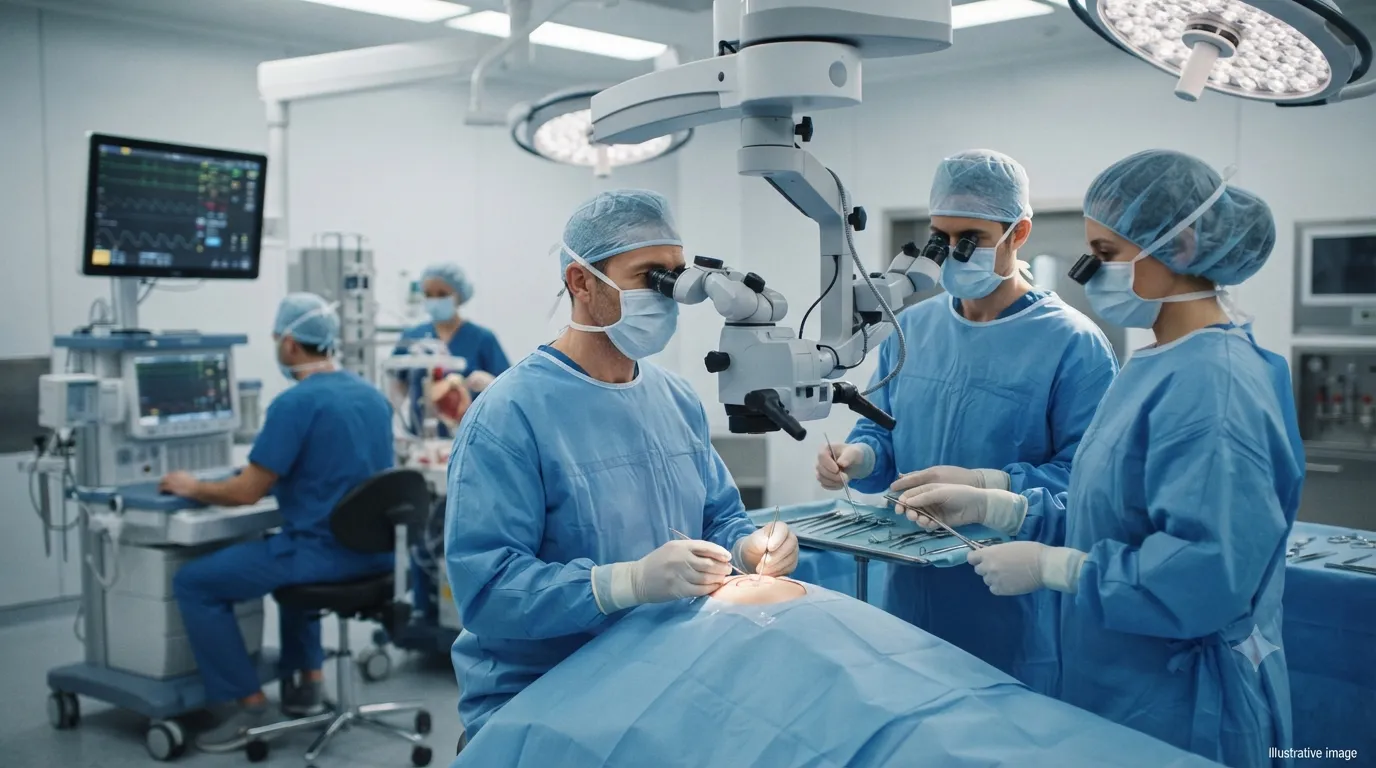
Ukraine is preparing a major underground medical complex near the front line that will allow doctors to perform emergency surgery and stabilize severely wounded patients in a protected environment. The project reflects a growing need for medical infrastructure capable of continuing to operate under Russian attacks.
A Hospital Beneath the Ground
Ukraine is preparing to build a large underground hospital close to the front line, creating a protected location where seriously wounded patients can receive urgent medical treatment.
The project is being developed by the Dutch Protect Ukraine foundation together with the Norwegian HMM Healthcare foundation.
The organizers describe it as the largest underground hospital project of its kind in Ukraine.
Why Build a Hospital Underground?
Medical facilities close to the front face a unique problem.
Doctors need to be close enough to wounded soldiers to provide rapid treatment, but conventional buildings near active combat zones can be vulnerable to artillery, missiles and drones.
An underground facility provides additional physical protection while allowing medical teams to remain relatively close to where casualties occur.
The Main Goal Is to Save Time
For severely wounded patients, transportation time can be critical.
A patient with major blood loss or other life-threatening trauma may need emergency surgery or stabilization before being moved to a larger hospital farther from the front.
The new facility is intended to provide that critical stage of treatment closer to the battlefield.
It Will Not Replace Large Rear Hospitals
The underground hospital is not intended to become a substitute for Ukraine’s major medical centers.
Instead, it will function as an intermediate medical link between frontline stabilization and more complex treatment farther from the fighting.
Patients could receive urgent intervention and then continue their evacuation once their condition is stable enough.
Surgery Will Be Possible Underground
One of the project’s most important features is the planned presence of operating rooms.
This means medical teams should be able to perform procedures that cannot safely be carried out at a basic stabilization point.
The ability to stop severe bleeding before evacuation could be particularly important.
Intensive Care Will Also Be Needed
The planned facility is expected to include intensive-care capacity.
This would allow doctors to monitor and stabilize patients whose condition requires more than immediate first aid but who cannot yet be safely transported.
Diagnostic Equipment Is Part of the Plan
The project also includes diagnostic equipment.
This is important because doctors need information about internal injuries and a patient’s condition before deciding on treatment and evacuation.
The Hospital Will Need Independent Infrastructure
A medical facility near the front cannot rely entirely on ordinary civilian infrastructure.
The project therefore requires backup systems for electricity, ventilation, oxygen and water, as well as reliable communications.
These systems are essential for maintaining medical operations if normal utilities are disrupted.
The Project Costs About €2.5 Million
The total project cost, including medical equipment, is estimated at approximately €2.5 million.
The project is being supported through international fundraising and cooperation between the Dutch and Norwegian organizations.
€75,000 Has Already Been Raised
According to the project announcement, Dutch donors have already contributed €75,000 toward protected medical care near the front line.
The organizers are seeking further funding to complete the project.
International Partners Are Behind the Initiative
The project illustrates the growing role of European charitable organizations in supporting Ukraine’s wartime medical infrastructure.
Protect Ukraine and HMM Healthcare are working together on the facility.
The Project Came From a Military Medical Request
According to reporting on the project, the initiative is being implemented following a request from Ukraine’s military medical service.
This reflects the practical need for protected medical facilities in areas where conventional hospitals are increasingly difficult to operate.
The Front Line Has Changed Medical Logistics
The nature of modern warfare has made medical evacuation increasingly complicated.
Drones can monitor roads and evacuation routes, while artillery and missiles can reach areas that were previously considered relatively safe.
This means medical teams need protected facilities much closer to combat zones.
FPV Drones Have Added Another Threat
The widespread use of FPV drones has made movement near the front particularly dangerous.
Medical vehicles and conventional above-ground facilities can become vulnerable to observation and attack.
Underground infrastructure can reduce some of these risks.
A Protected Facility Can Continue Working Under Attack
One of the central advantages of an underground hospital is that doctors can continue providing care during periods when above-ground movement is dangerous.
The aim is not to make the facility completely immune to attack, but to significantly improve its protection.
The Facility Could Handle Multiple Patients
The planned complex is intended to function as more than a single emergency treatment room.
Its design includes operating and intensive-care areas as well as spaces for patients awaiting further evacuation.
That would allow medical teams to manage several casualties during a major incident.
Short-Term Stabilization Is a Key Function
A critically wounded patient does not always need to remain near the battlefield for a long period.
The immediate goal is often to stabilize the patient sufficiently for transportation to a more specialized facility.
The underground hospital is intended to provide precisely this stage of care.
The First Hours Can Be Critical
Severe trauma can lead to rapid blood loss, shock and other life-threatening complications.
Every additional delay before appropriate treatment can increase the risks.
This is why bringing surgical capability closer to the front can make a major difference.
Ukraine Already Has Underground Medical Facilities
The new project would not be Ukraine’s first attempt to move medical treatment underground.
In 2024, the Ministry of Defense commissioned its first underground stabilization point for the Armed Forces.
That facility was part of a larger programme envisaging more than two dozen underground stabilization points.
The New Project Is Larger
The planned facility is being presented as a larger underground hospital rather than simply a small stabilization point.
Its expected capabilities include surgery, intensive care and diagnostics.
This reflects the growing complexity of medical requirements close to the battlefield.
Underground Medicine Is Becoming a Strategic Necessity
The expansion of protected medical infrastructure is a direct response to the conditions of modern warfare.
Hospitals and stabilization points must increasingly be designed not only around medical requirements but also around security.
Ukraine Is Also Building Protected Civilian Medical Infrastructure
The same approach is appearing in civilian healthcare.
In Kharkiv region, authorities are continuing work on an upgraded regional children’s hospital that includes underground departments designed to protect medical services during the war.
This demonstrates that underground healthcare is becoming part of broader Ukrainian infrastructure planning.
The Need Extends Beyond Military Medicine
Although the new project is focused on the front line and military medical needs, its underlying principles can also apply to civilian emergency medicine.
Protected hospitals can continue operating during attacks, infrastructure failures or other disasters.
The Hospital Could Become a Model
If the project proves successful, its design could potentially be replicated in other frontline regions.
A network of protected medical facilities would reduce the distance between casualty collection points and surgical care.
It Could Also Improve Medical Evacuation
Medical evacuation is a chain.
A patient moves from the point of injury to initial stabilization, then to a facility capable of surgery and eventually to a larger specialized hospital.
The new underground hospital would strengthen the middle part of that chain.
Every Link Matters
If one stage of the evacuation process is delayed, the patient’s overall risk can increase.
A protected surgical facility near the front can therefore have an impact beyond the patients treated inside it.
It can make the entire evacuation system more resilient.
The Hospital Needs More Than Concrete Walls
Building underground is only one part of the solution.
The facility also requires:
- electricity;
- ventilation;
- oxygen;
- water;
- medical equipment;
- communications;
- trained medical personnel;
- reliable supply chains.
The project organizers recognize these requirements as essential to operating safely near the front.
Backup Power Is Particularly Important
A hospital cannot depend on the civilian electricity grid if attacks can interrupt power.
Emergency generators and other backup systems are therefore essential.
Ventilation Is Another Critical System
Underground medical facilities require reliable ventilation.
It must provide fresh air and maintain suitable conditions for patients and medical workers even if the facility remains closed for security reasons.
Oxygen Supplies Must Be Protected
Surgical and intensive-care medicine requires oxygen.
A protected supply system is therefore an essential part of the hospital’s infrastructure.
Communications Cannot Be Ignored
Medical teams also need reliable communications with evacuation units and hospitals farther from the front.
This allows doctors to coordinate the movement of patients once they are stabilized.
The Facility Is Designed Around Continuity
The broader idea is simple: medical care must continue even when the surrounding environment becomes unsafe.
Underground construction makes that continuity more achievable.
The Project Reflects Ukraine’s Wartime Adaptation
Since Russia launched its full-scale invasion, Ukraine has had to redesign many civilian and military systems around the possibility of attack.
Healthcare is one of the clearest examples.
Hospitals must now be able to operate under conditions that would be unimaginable in peacetime.
Doctors Are Also Working Under Extreme Conditions
Medical personnel near the front face risks alongside the patients they treat.
A protected facility can reduce some of those risks and allow medical workers to continue treating casualties.
The Underground Design Has a Human Purpose
The technology and construction details are ultimately intended to protect people.
The objective is to give doctors more time to save lives and give patients a better chance of surviving severe injuries.
The Project Is Expected to Serve the Most Seriously Wounded
The planned capabilities make the facility particularly relevant for patients requiring urgent surgical intervention.
It would not be designed simply as a routine outpatient clinic.
Stabilization Before Evacuation
After emergency surgery or stabilization, patients could be moved farther from the front.
The underground facility would therefore act as a protected bridge between battlefield medicine and rear hospitals.
This Could Reduce Evacuation Pressure
A large frontline medical facility could also help prevent every critically wounded patient from immediately requiring transportation to a distant hospital.
Some treatment could take place closer to the front before evacuation.
The Project Has a Wider Strategic Significance
Ukraine’s medical infrastructure has become part of its resilience against Russian attacks.
Protected hospitals can keep essential services functioning even when conventional buildings are vulnerable.
European Support Is Helping Build That Resilience
The participation of Dutch and Norwegian organizations demonstrates how international assistance is increasingly moving beyond medical supplies.
Partners are also helping Ukraine develop permanent protected infrastructure.
The €2.5 Million Investment Is About Infrastructure
The project cost includes not only the construction itself but also medical equipment.
That means the fundraising target covers the entire medical capability rather than simply an underground structure.
The Hospital Could Have a Long-Term Use
Even after the war, protected medical infrastructure could remain useful.
Underground hospitals can provide additional resilience against disasters, missile attacks and other emergencies.
Civil Defense Lessons Could Be Preserved
Ukraine’s experience building protected hospitals could eventually influence civil-defense planning in other countries.
The country is effectively developing medical infrastructure under conditions of sustained missile and drone warfare.
The Front Line Keeps Moving
The exact location and operational environment around the facility may change as the war develops.
This makes flexibility important.
The hospital must be able to serve a region rather than depend entirely on one fixed battlefield position.
Security Will Remain Essential
Even an underground hospital near the front will require security measures.
The goal is to reduce vulnerability, not eliminate it completely.
The Hospital Is Part of a Larger Medical Network
The facility will still depend on evacuation teams, field medics, ambulances and rear hospitals.
Its success will therefore depend on how well it connects to the wider medical system.
Ukraine’s Medical System Is Becoming More Distributed
Instead of relying only on a small number of large hospitals, Ukraine increasingly needs a network of facilities that can provide different levels of care.
Underground stabilization points and hospitals are part of that distributed model.
Why This Matters for Severely Wounded Patients
For a patient with life-threatening trauma, the difference between immediate surgery and a long journey to a distant hospital can be substantial.
The new facility is designed to bring that first major intervention closer to where it is needed.
A Hospital Designed for a War Zone
Traditional hospitals are built around accessibility, capacity and patient comfort.
A frontline underground hospital has additional priorities: protection, redundancy, rapid stabilization and continuity during attacks.
The project reflects those different requirements.
The Initiative Is Still Under Development
The project is not yet an operating hospital.
Construction, fundraising and installation of medical equipment still have to be completed.
The reported target is to create the facility as quickly as possible given the security environment.
What Happens Next
Protect Ukraine and HMM Healthcare will need to secure the remaining financing, complete construction and install the medical equipment.
Medical personnel and operating procedures will then need to be organized.
Only after those stages can the hospital become fully operational.
The Bigger Goal Is Faster Care Near the Front
The most important idea behind the project is not the underground construction itself.
It is the attempt to shorten the distance between a battlefield injury and the medical intervention that can save a patient’s life.
A New Layer of Ukraine’s Medical Defense
Ukraine already operates underground stabilization points.
The planned hospital would take that concept further by combining protected infrastructure with more advanced surgical and intensive-care capabilities.
Why the Project Could Matter Beyond the War
The hospital is being designed for an extreme wartime environment, but many of its features have broader applications.
Backup power, protected operating rooms and independent water and ventilation systems can help medical facilities remain functional during disasters of many kinds.
What the New Hospital Represents
The project is an example of how Ukraine is adapting essential services to the realities of modern warfare.
Instead of moving all medical care away from dangerous areas, the country is also building protected facilities that can bring advanced treatment closer to patients.
A Safer Place to Perform Critical Surgery
The central purpose of the underground hospital is straightforward: give doctors a protected environment where they can stabilize and operate on severely wounded patients before those patients are moved farther from the front.
If completed as planned, it could become an important part of Ukraine’s frontline medical network and another example of how the country’s healthcare system is adapting to prolonged war.